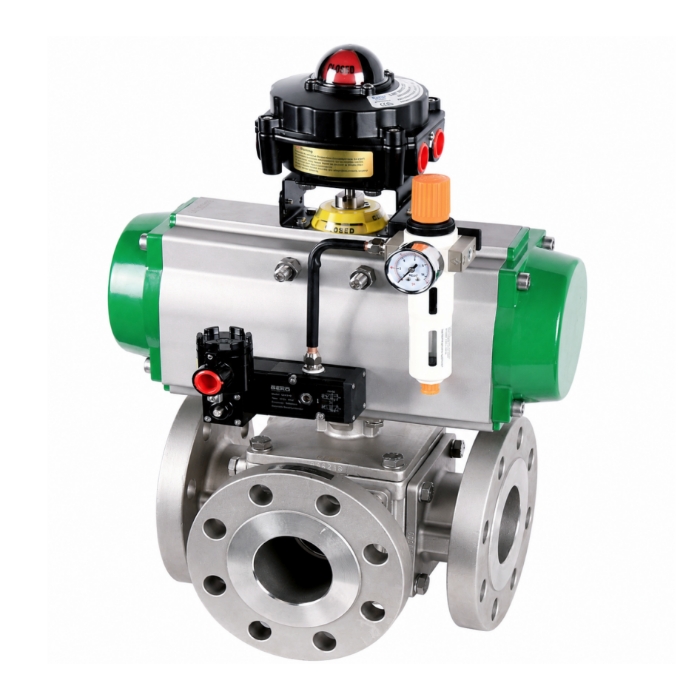
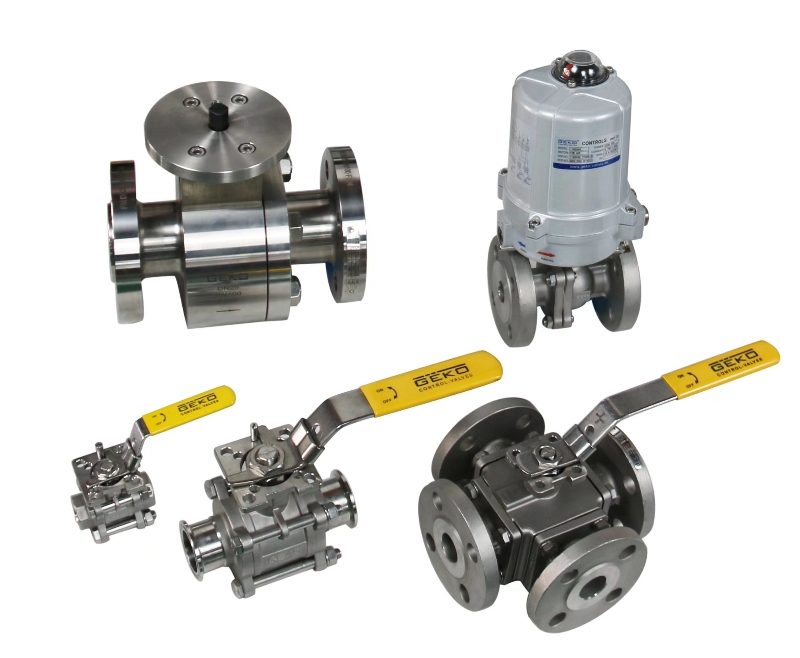
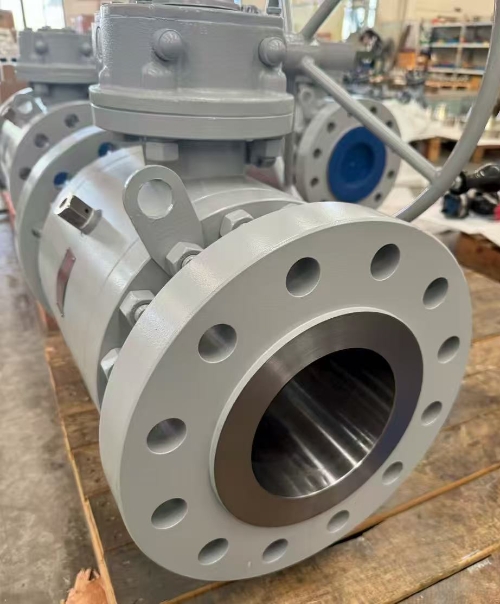
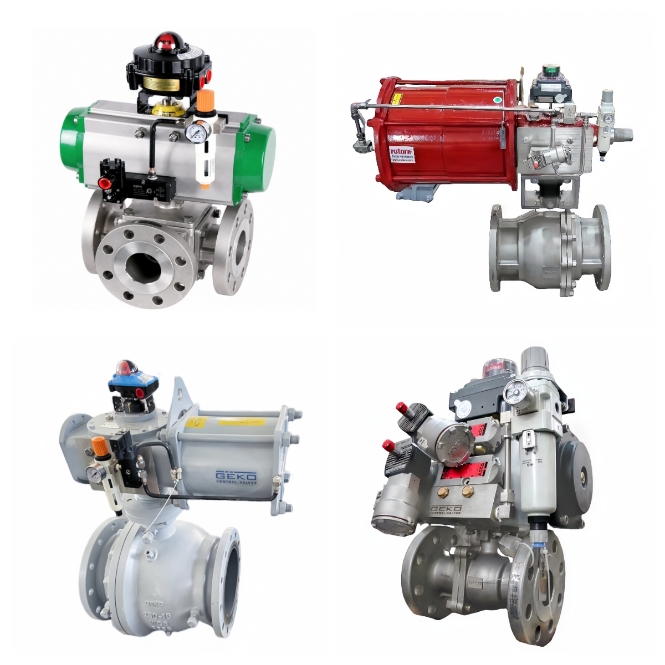
금속 시트 볼 밸브

홈페이지

금속 시트 볼 밸브

  • Ball Valve Selection Made Easy: Types, Applications, and Tips | GEKO Valve
    Ball Valve Selection Made Easy: Types, Applications, and Tips | GEKO Valve
    Sep 13, 2026
      Ball Valve Selection Made Easy: Types, Applications, and Tips Ball valves are the most versatile fluid control devices in modern industrial piping systems. Known for their quarter‑turn fast operation, bubble‑tight shutoff, compact structure, and long service life, ball valves are widely used to isolate or regulate gas, liquid, and slurry media across various industries. However, due to multiple valve structures, sealing types, bore sizes, and actuation options, many engineers and purchasers face confusion during selection. This article simplifies ball valve selection by clarifying common ball valve types, typical industrial applications, and practical selection tips to help you choose the correct industrial ball valve for your working conditions.   1. Common Types of Industrial Ball Valves Understanding ball valve classification is the foundation of correct selection. Industrial ball valves are mainly divided by structure, bore design, sealing method, and operation type. 1.1 Floating Ball Valve vs Trunnion Mounted Ball Valve Floating ball valves feature a free‑floating ball that relies on medium pressure to achieve sealing. With a simple structure and cost‑effective advantages, floating ball valves are ideal for small‑size, low‑pressure and medium‑pressure pipelines. They are widely used for general isolation and flow control in water treatment, HVAC, and light chemical systems.     Trunnion mounted ball valves adopt fixed upper and lower trunnions to lock the ball in place. This structural design greatly reduces operating torque and seat wear, allowing stable operation under large size, high pressure, and frequent cycling conditions. Trunnion ball valves are the preferred solution for heavy‑duty oil & gas pipelines, petrochemical process lines, and long‑distance transmission systems.   1.2 Full Port Ball Valve vs Reduced Port Ball Valve Full port ball valves have a straight bore identical to the pipe inner diameter, providing minimal pressure drop and allowing pipeline pigging. They are suitable for high‑flow pipelines and systems that require low flow resistance and easy pipeline maintenance. Reduced port ball valves have a smaller streamlined bore. They are lighter and more economical while meeting normal isolation requirements. Reduced port ball valves are widely used for general industrial pipelines where ultra‑low pressure drop and pigging are not required.   1.3 Soft Seated vs Metal Seated Ball Valve Soft seated ball valves use PTFE or other polymer materials for sealing, achieving bubble‑tight zero leakage at normal temperatures. They perform well in clean water, gas, and non‑abrasive chemical media and feature low operating torque and reliable sealing. Metal seated ball valves adopt metal‑to‑metal hard sealing with hardened or alloy‑coated seat surfaces. With high temperature resistance, high pressure resistance, and abrasion resistance, metal seated ball valves can handle abrasive slurry, thermal cycling, and corrosive media that soft seals cannot withstand. 1.4 Manual and Actuated Ball Valves Manual ball valves are suitable for low‑frequency operation and simple pipeline control. For automated industrial systems, pneumatic actuated ball valves and electric actuated ball valves are mainstream choices. Pneumatic ball valves offer fast switching and explosion‑proof performance, while electric ball valves support remote control and precise flow regulation for intelligent pipeline systems. 2. Industrial Applications of Ball Valves Different ball valve types correspond to specific industry scenarios. Matching valves based on process media, temperature, pressure, and operation frequency ensures stable long‑term performance. Water Treatment & HVAC: Soft seated floating ball valves and reduced port ball valves are commonly used for water supply, drainage, and air conditioning circulation pipelines. Chemical & Petrochemical Industry: Metal seated ball valves and anti‑corrosion ball valves are applied for corrosive, high‑temperature, and abrasive process media. Oil & Gas Transmission: Trunnion mounted ball valves and full port ball valves ensure safe isolation, low pressure loss, and convenient pipeline pigging. Power & Thermal Energy: High‑temperature resistant metal seated ball valves adapt to steam, thermal cycling, and high‑pressure working conditions. Automated Process Industry: Pneumatic and electric actuated ball valves realize automatic switching, remote monitoring, and intelligent flow control. 3. Practical Ball Valve Selection Tips Follow these simple and professional tips to avoid selection errors and improve pipeline system stability: Match structure with pressure and size: Choose floating ball valves for small low‑pressure pipelines and trunnion mounted ball valves for large high‑pressure service. Select sealing type by medium: Use soft seats for clean normal‑temperature media and metal seats for high‑temperature, abrasive, and corrosive media. Choose bore type according to flow demand: Select full port ball valves for low pressure drop and pigging requirements; use reduced port ball valves for cost‑effective general isolation. Select actuation mode reasonably: Use pneumatic actuators for explosion‑proof environments and electric actuators for remote intelligent control. Verify temperature and pressure rating: Always confirm valve class and material adaptability to extreme working conditions to prevent leakage and deformation. 4. Why Choose GEKO Valve Ball Valves GEKO Valve provides a full range of high‑performance industrial ball valves, including floating ball valves, trunnion mounted ball valves, full port and reduced port ball valves, soft seated and metal seated ball valves, as well as customized pneumatic and electric actuated ball valve packages. All valves are manufactured according to international standards, delivering stable sealing performance, low maintenance, and long service life for global industrial piping systems. 9 Core SEO Keywords: Floating Ball Valve, Trunnion Mounted Ball Valve, Full Port Ball Valve, Reduced Port Ball Valve, Metal Seated Ball Valve, Soft Seated Ball Valve, Pneumatic Actuated Ball Valve, Electric Actuated Ball Valve, Industrial Pipeline Ball Valve
    더 읽어보기
  • Mastering Ball Valves: A Comprehensive Selection Guide | GEKO Valve
    Mastering Ball Valves: A Comprehensive Selection Guide | GEKO Valve
    Sep 07, 2026
    Mastering Ball Valves: A Comprehensive Selection Guide Ball valves are foundational fluid control components in modern industrial piping systems, trusted for their exceptional sealing performance, fast quarter‑turn operation, compact structure, and long operational lifespan. From general commercial piping to heavy‑duty oil and gas, petrochemical, and power generation facilities, industrial ball valves deliver reliable isolation and flow regulation for countless process conditions. Mastering professional ball valve selection is critical to eliminate pipeline leakage, reduce pressure loss, avoid equipment jamming, and minimize long‑term maintenance costs. This comprehensive guide fully elaborates on ball valve classifications, core performance characteristics, industry‑specific applications, and authoritative selection standards to help engineers and buyers master accurate valve matching for all working scenarios. 1. Complete Classification of Industrial Ball Valves Industrial ball valves are classified by structural mechanism, bore specification, sealing configuration, and driving mode. Each category features unique performance advantages and exclusive applicable working conditions: 1.1 Structural Classification: Floating vs Trunnion Mounted Ball Valve Floating ball valves adopt a free‑floating ball design with a simple, compact structure and cost‑effective advantages. The ball moves slightly under medium pressure and tightly presses against the downstream sealing seat to achieve bubble‑tight shutoff. This structure is ideal for small‑size, low to medium‑pressure conventional pipelines, widely used for general isolation and conventional flow control in water treatment, HVAC, and light chemical systems. Trunnion mounted ball valves feature dual upper and lower trunnion fixed support, completely locking the ball in place. This design transfers medium pressure load to the trunnion shaft instead of the sealing seat, effectively reducing operating torque and seat wear. It is the preferred heavy‑duty solution for large‑size, high‑pressure, high‑cycle industrial pipelines, dominating long‑distance oil and gas transmission, petrochemical refining, and heavy industrial process systems. 1.2 Bore Classification: Full Port vs Reduced Port Ball Valve Full port ball valves are designed with a straight through bore matching the pipe inner diameter, achieving nearly zero flow resistance and minimal industrial ball valve pressure drop. They fully support pipeline pigging and cleaning operations, making them essential for high‑flow transmission pipelines, process main lines, and systems with strict energy‑saving and low‑loss requirements. Reduced port ball valves adopt a streamlined reduced bore structure, featuring lighter weight, smaller volume, and lower manufacturing costs. Although the flow passage is slightly smaller, it fully meets conventional isolation and flow control demands. It is the most cost‑effective choice for ordinary industrial pipelines without pigging and ultra‑low pressure drop requirements. 1.3 Sealing Classification: Metal Seated vs Soft Seated Ball Valve Soft seated ball valves utilize high‑performance PTFE and polymer composite sealing materials, achieving absolute zero leakage under normal temperature and clean medium conditions. With low friction and flexible switching performance, they are suitable for clean water, compressed air, natural gas, and non‑abrasive chemical media, ensuring stable and reliable daily operation. Metal seated ball valves adopt hard alloy surfacing on sealing surfaces, possessing excellent high‑temperature resistance, high‑pressure resistance, and abrasion resistance. They can stably adapt to harsh working conditions such as high‑temperature thermal cycling, abrasive slurry, and corrosive media, completely solving the problems of soft seal aging, deformation, and failure in severe industrial environments. 1.4 Driving Classification: Manual vs Actuated Ball Valve Manual ball valves are equipped with handles or gear operators, suitable for low‑frequency manual operation scenarios with low cost and simple maintenance. For modern automated industrial systems,pneumatic actuated ball valves and electric actuated ball valves are mainstream configurations. Pneumatic ball valves provide fast switching speed and excellent explosion‑proof performance, adapting to flammable and hazardous working environments. Electric ball valves support precise flow modulation and remote signal linkage, perfectly matching PLC, SCADA, and intelligent pipeline control systems. 2. Core Performance Parameters for Professional Selection Accurate ball valve selection relies on standardized parameter verification rather than simple size matching. Core parameters that determine valve applicability include: - Flow Capacity (Cv Value): Professional ball valve Cv calculation ensures the valve’s flow capacity matches system flow demand, avoiding flow bottlenecks and excessive pipeline pressure loss. - Pressure & Temperature Rating: Match valve pressure class and temperature resistance grade according to maximum working pressure and extreme medium temperature to prevent seal failure and valve deformation. - Actuator Torque Matching: Scientifically calculate ball valve actuator torque based on actual pressure difference to ensure sufficient switching power and avoid jamming or incomplete valve opening/closing. - Medium Compatibility: Select sealing and body materials according to medium corrosion, abrasion, and viscosity to achieve long‑term stable operation. 3. Industry‑Specific Application Matching Rules Different industries have distinct process characteristics, requiring targeted ball valve configuration schemes: - Water Treatment & HVAC Systems: Adopt soft seated floating ball valves and reduced port ball valves, balancing cost, sealing stability, and low maintenance performance. - Oil & Gas Transmission: Prioritize full port trunnion mounted ball valves to meet high‑flow, low‑loss, and pipeline pigging maintenance requirements. - Petrochemical & Chemical Industry: Deploymetal seated ball valves and anti‑corrosion ball valves for high‑temperature, corrosive, and abrasive process media. - Thermal Power & Metallurgy: Use high‑temperature and wear‑resistant metal seated ball valves to adapt to steam, high‑temperature flue gas, and slag media. - Intelligent Manufacturing Industry: Equip pneumatic and electric actuated ball valves to realize automatic control, remote monitoring, and intelligent pipeline management. 4. Advanced Selection Tips to Avoid Operational Risks To master ball valve selection thoroughly, it is necessary to avoid conventional misunderstandings and form standardized selection logic: - Never select valves only by nominal pipe size; always verify Cv flow coefficient to prevent insufficient flow capacity and excessive industrial ball valve pressure drop. - Distinguish application boundaries of floating and trunnion structures: floating ball valves for small low‑pressure pipelines, trunnion mounted ball valves for large high‑pressure heavy‑duty systems. - Strictly separate soft and metal sealing scenarios: soft seals for clean normal‑temperature media, metal seals for high‑temperature, abrasive, and harsh corrosive media. - Reserve sufficient safety margin for actuator torque under high‑pressure differential conditions to eliminate switching failure risks. - Choose full port valves for pipelines requiring pigging cleaning to ensure smooth later maintenance. 5. GEKO Valve Professional Ball Valve Solutions As a professional industrial valve manufacturer, GEKO Valve provides a full lineup of high‑performance ball valves, covering floating ball valve, trunnion mounted ball valve, full port & reduced port ball valve,metal seated ball valve, and customized actuated ball valve packages. We provide one‑stop professional services including ball valve Cv calculation and actuator torque verification, effectively controlling system pressure loss and ensuring stable and efficient operation of valves in complex industrial working conditions. All products comply with international industry standards, serving global industrial piping projects with high quality, low failure rate, and long service life. Core SEO Keywords: Trunnion Mounted Ball Valve, Floating Ball Valve, Metal Seated Ball Valve, Full Port Ball Valve, Reduced Port Ball Valve, Pneumatic Actuated Ball Valve, Electric Actuated Ball Valve, Industrial Ball Valve, High Pressure Ball Valve
    더 읽어보기
  • Ball Valve Selection Made Easy: Types, Applications, and Tips | GEKO Valve
    Ball Valve Selection Made Easy: Types, Applications, and Tips | GEKO Valve
    Sep 07, 2026
    Ball Valve Selection Made Easy: Types, Applications, and Tips Ball valves are the most versatile and widely used fluid control components in industrial piping systems. Known for their quarter‑turn fast operation, bubble‑tight shutoff, compact structure, and long service life, they replace traditional gate and globe valves in most process pipelines. However, with dozens of ball valve types and diverse working conditions, many engineers struggle with improper model selection, which leads to leakage, high pressure loss, actuator jamming, or short service life. This guide simplifies industrial ball valve selection by sorting core classifications, matching industry applications, and summarizing practical selection tips for beginners and professional procurement teams. 1. Common Types of Industrial Ball Valves Ball valves can be categorized by structural design, bore size, sealing method, and actuation mode. Each type has fixed applicable scenarios and performance limits: 1.1 Floating Ball Valve & Trunnion Mounted Ball Valve Floating ball valves feature a free movable ball structure with simple construction and cost advantages. The ball floats under medium pressure and presses tightly against the downstream seat to achieve sealing. This type is perfect for small‑size, low‑pressure and medium‑pressure conventional pipelines for general isolation and flow control. Trunnion mounted ball valves adopt upper and lower trunnion fixed support structures. The ball is locked in position, which greatly reduces operating torque and seat friction. It effectively adapts to large‑size, high‑pressure, and high‑frequency cycling working conditions, serving as the mainstream heavy‑duty pipeline ball valve for oil and gas, petrochemical, and long‑distance transmission systems. 1.2 Full Port Ball Valve & Reduced Port Ball Valve Full port ball valves have an inner bore consistent with the pipe diameter, delivering almost zero flow resistance and ultra‑low industrial ball valve pressure drop. They support pipeline pigging cleaning and are widely used in high‑flow transmission pipelines and systems requiring minimal energy loss. Reduced port ball valves adopt a smaller streamlined bore. With lighter weight and lower manufacturing cost, they meet daily isolation requirements for most conventional pipelines and help enterprises save project investment without strict low‑pressure‑drop demands. 1.3 Metal Seated Ball Valve & Soft Seated Ball Valve Soft seated ball valves use PTFE or polymer soft sealing materials to realize bubble‑tight zero leakage at room temperature. They are suitable for clean water, air, gas, and non‑abrasive conventional chemical media, with excellent sealing stability and low operating torque. Metal seated ball valves adopt hard alloy surfacing sealing surfaces, featuring high temperature resistance, high pressure resistance, and abrasion resistance. They can withstand abrasive slurry, thermal cycling, and high‑temperature corrosive media, solving the aging and failure problems of soft seals in harsh industrial environments. 1.4 Manual & Actuated Ball Valves According to operation modes, ball valves are divided into manual and automated types. Manual ball valves are simple and cost‑effective for low‑frequency operation pipelines. For intelligent industrial systems, pneumatic actuated ball valves and electric actuated ball valves are the mainstream choices. Pneumatic ball valves offer fast switching and explosion‑proof performance for dangerous working conditions, while electric ball valves support remote control and precise flow regulation, matching PLC and SCADA system linkage.   2. Typical Industrial Applications for Ball Valves Different ball valve types correspond to exclusive industrial scenarios. Matching valves based on industry characteristics is the core of correct selection: - Water Treatment & HVAC: Soft seated floating ball valves and reduced port ball valves are preferred for water supply, drainage, and central air conditioning circulation pipelines, pursuing cost‑effectiveness and stable sealing. - Chemical & Petrochemical Industry: Corrosive media and high‑temperature processes require metal seated ball valves and anti‑corrosion lined ball valves; high‑pressure transmission pipelines adopt trunnion mounted ball valves. - Oil & Gas Pipeline: Full port ball valves and heavy‑duty trunnion ball valves are widely used to ensure unobstructed medium transmission and support pipeline pigging maintenance. - Power & Metallurgy: High‑temperature steam, slag, and abrasive media require wear‑resistant metal seated ball valves to resist harsh working conditions and extend service life. - Intelligent Automated Factory: Pneumatic and electric actuated ball valves realize automatic switching and remote monitoring, suitable for batch and continuous production pipeline systems. 3. Practical Ball Valve Selection Tips (Beginner‑Friendly) Simplify the selection process with these core rules to avoid most engineering mistakes: - Confirm working conditions first: Clarify medium type, temperature, pressure, and operating frequency. High temperature and abrasion choose metal seats; clean normal temperature media choose soft seats. - Select structure by pressure and size: Small size and low pressure use floating ball structure; large size and high pressure must choose trunnion mounted ball valve. - Match bore type by flow demand: High flow rate, low pressure drop and pigging requirements choose full port ball valve; general isolation chooses reduced port to save cost. - Reasonably configure actuation mode: Explosion‑proof hazardous environments prioritize pneumatic actuation; remote intelligent control scenarios choose electric actuation. - Verify flow capacity and torque: Complete accurate ball valve Cv calculation and ball valve actuator torque matching to prevent jamming, incomplete switching or flow insufficiency. 4. How to Avoid Common Selection Failures Most valve failures are caused by incorrect selection rather than product quality problems. Avoid these typical errors: Do not only select models by pipe nominal size; insufficient Cv value will cause system flow bottlenecks and excessive industrial ball valve pressure drop. Do not use soft seated ball valves for high‑temperature abrasive media, which will lead to rapid seal aging and leakage. Do not equip small‑torque actuators for high‑pressure differential pipelines, resulting in unsmooth valve operation. For long‑distance transmission and frequent maintenance pipelines, avoid reduced port ball valves that cannot support pigging cleaning. 5. GEKO Valve Reliable Ball Valve Solutions GEKO Valve provides a full range of standardized and customized industrial ball valves, covering floating ball valve, trunnion mounted ball valve, full port & reduced port ball valve, metal seated ball valve, and pneumatic/electric actuated ball valve packages. We support professional ball valve Cv calculation and actuator torque matching services, strictly controlling pipeline pressure loss and ensuring stable valve operation for various complex working conditions. Our products serve global water treatment, chemical, oil & gas, power, and automated industrial projects with stable quality and low maintenance costs. Core SEO Keywords: Trunnion Mounted Ball Valve, Floating Ball Valve, Metal Seated Ball Valve, Full Port Ball Valve, Reduced Port Ball Valve, Pneumatic Actuated Ball Valve, Electric Actuated Ball Valve, Industrial Pipeline Ball Valve, High Pressure Ball Valve
    더 읽어보기
  • The Ultimate Guide to Ball Valves and How to Choose Them | GEKO Valve
    The Ultimate Guide to Ball Valves and How to Choose Them | GEKO Valve
    Sep 07, 2026
    The Ultimate Guide to Ball Valves and How to Choose Them Ball valves are the most widely used quarter-turn flow control devices in modern industrial piping systems, renowned for their bubble-tight shutoff, fast 90° operation, compact structure, and excellent long-term durability. From general water treatment and HVAC systems to high-pressure oil & gas pipelines, chemical processing, and thermal power plants, ball valves deliver reliable isolation and flow regulation for diverse working conditions. However, many engineers and procurement teams face frequent selection errors due to unclear distinctions between valve structures, sealing types, and actuation modes. This ultimate guide breaks down core ball valve classifications, working principles, key performance parameters, and step-by-step selection rules to help you pick the perfect industrial ball valve for your project. 1. What Is a Ball Valve? Core Working Principle A ball valve controls fluid flow by rotating a hollow, perforated spherical ball inside the valve body. When the ball’s bore aligns with the pipeline, the valve opens for full fluid passage; when rotated 90 degrees, the solid ball surface blocks the flow completely. Compared with gate valves and globe valves, ball valves feature simpler operation, lower industrial ball valve pressure drop, and better adaptability for automated control. With accurate ball valve Cv calculation, engineers can precisely match flow capacity to system requirements, avoiding flow bottlenecks and energy waste.   2. Main Types of Ball Valves (Core Structural Classification) Industrial ball valves are mainly categorized by ball support structure, bore design, sealing mode, and body configuration, covering all mainstream engineering models: 2.1 Floating Ball Valve vs Trunnion Mounted Ball Valve The biggest structural difference in industrial ball valves lies in ball fixation modes. A floating ball valve has an unanchored ball that floats freely under fluid pressure, pressing tightly against the downstream seat to achieve sealing. It features a simple structure, cost-effective price, and is ideal for small-size, low-to-medium pressure conventional pipelines. A trunnion mounted ball valve adopts upper and lower trunnion shafts to fix the ball, transferring fluid pressure load to the trunnion structure instead of the sealing seat. This design greatly reduces ball valve actuator torque, minimizes seat wear, and is the preferred solution for large-size, high-pressure, and high-cycle working conditions, widely applied in heavy-duty pipeline ball valve systems. 2.2 Full Port Ball Valve vs Reduced Port Ball Valve Bore size directly determines flow performance and pipeline applicability. A full port ball valve has an inner bore consistent with the pipe diameter, delivering ultra-low industrial ball valve pressure drop and supporting pipeline pigging cleaning, perfect for high-flow transfer lines and pipeline maintenance scenarios. A reduced port ball valve features a smaller inner bore, with lighter weight and lower manufacturing cost. It suits conventional isolation scenarios with no strict pressure drop requirements and no pigging demand, effectively saving project investment costs. 2.3 Metal Seated Ball Valve vs Soft Seated Ball Valve Sealing material determines the valve’s temperature, pressure, and media adaptability. Soft seated ball valves use PTFE or RTFE materials for bubble-tight zero leakage, suitable for clean, normal-temperature water, gas, and conventional chemical media. A metal seated ball valve adopts hard alloy surfacing sealing surfaces, resisting high temperature, high pressure, abrasive slurry, and frequent thermal cycling. It solves the failure problem of soft seal aging and deformation under harsh working conditions and is widely used in petrochemical, coking, and high-temperature industrial systems. 2.4 Actuated Ball Valve: Pneumatic & Electric Configurations For automated industrial systems, manual ball valves are upgraded to actuated ball valve packages, including two mainstream types: pneumatic ball valve (also named pneumatic actuated ball valve / pneumatic operated ball valve) and electric ball valve (also called electric actuated ball valve / motorized ball valve). Pneumatic models offer fast switching, explosion-proof performance, and high safety for hazardous environments; electric models support precise modulating control and stable remote signal linkage for PLC/SCADA systems. 3. Key Parameters Affecting Ball Valve Selection Blind selection by nominal pipe size is the most common engineering mistake. Standard ball valve selection must verify the following core parameters one by one: - Flow Capacity: Complete professional ball valve Cv calculation according to system flow rate, inlet and outlet pressure, and fluid viscosity to avoid oversizing or undersizing. - Pressure & Temperature Rating: Match the valve pressure class and temperature derating standard to adapt to maximum working pressure and extreme temperature changes. - Actuator Torque Matching: Calculate actual operating differential pressure to confirm ball valve actuator torque, reserve sufficient safety margin to prevent jamming or incomplete switching. - Media Compatibility: Select metal or soft sealing according to corrosive, abrasive, high-temperature characteristics of the fluid to avoid seal damage and leakage. - Pressure Drop Requirement: Choose full port ball valve for low-loss and pigging requirements, and reduced port ball valve for cost-saving conventional scenarios to control industrial ball valve pressure drop. 4. Step-by-Step Ball Valve Selection Process Follow this standardized workflow to select the most cost-effective and reliable ball valve for your system: Step 1: Confirm working conditions – Clarify fluid type, temperature, pressure, flow rate, and system functional requirements (isolation or modulation). Step 2: Determine structural type – Choose floating ball valve for small low-pressure pipelines and trunnion mounted ball valve for large high-pressure pipeline ball valve systems. Step 3: Select bore configuration – Adopt full port ball valve for high-flow low-loss scenarios and reduced port ball valve for general isolation. Step 4: Match sealing mode – Use soft seal for clean conventional media and metal seated ball valve for high-temperature abrasive and corrosive harsh media. Step 5: Confirm actuation mode – Select manual, pneumatic ball valve, or electric ball valve according to on-site power/air source conditions and automation needs. Step 6: Verify core parameters – Complete ball valve Cv calculation and ball valve actuator torque verification to ensure full compliance with system operating conditions. 5. Common Selection Mistakes & Avoidance Tips - Mistake 1: Selecting by pipe size only – Nominal size cannot represent flow capacity. Must rely on ball valve Cv calculation for accurate matching. - Mistake 2: Confusing full port and reduced port – Wrong bore selection leads to excessiveindustrial ball valve pressure drop or failed pipeline pigging. - Mistake 3: Unmatched actuator torque – Ignoring actual differential pressure causes insufficient ball valve actuator torque, resulting in unsmooth switching. - Mistake 4: Misapplied sealing structure – Using soft seals for high-temperature abrasive media leads to rapid aging and failure; harsh working conditions must adopt metal seated ball valve. 6. Industrial Applications of Ball Valves Different ball valve types correspond to exclusive industrial scenarios: floating ball valve and conventional soft-seal valves are widely used in water treatment, HVAC, and general chemical pipelines; heavy-duty trunnion mounted ball valve and metal seated ball valve serve oil & gas, petrochemical, thermal power, and mining industries; automated pneumatic ball valve and electric ball valve are core components of intelligent pipeline control systems, supporting remote monitoring and automatic adjustment. 7. Why Choose GEKO Valve Ball Valves GEKO Valve provides a full range of customized industrial ball valves, including floating ball valve, trunnion mounted ball valve, full port ball valve, reduced port ball valve, metal seated ball valve, and automated actuated ball valve packages (pneumatic and electric). We provide professional ball valve Cv calculation and ball valve actuator torque verification services, effectively controlling industrial ball valve pressure drop for each project. All products comply with international standards, with stable performance, long service life, and low maintenance costs, providing reliable fluid control solutions for global industrial piping systems. Core SEO Keywords: floating ball valve, trunnion mounted ball valve, full port ball valve, reduced port ball valve, metal seated ball valve, pipeline ball valve, ball valve Cv calculation, industrial ball valve pressure drop, ball valve actuator torque, pneumatic ball valve, electric ball valve, actuated ball valve
    더 읽어보기
  • 흔히 저지르는 볼 밸브 사이즈 선택 실수와 이를 피하는 방법 | GEKO 밸브
    흔히 저지르는 볼 밸브 사이즈 선택 실수와 이를 피하는 방법 | GEKO 밸브
    Aug 16, 2026
    볼 밸브 크기 선정 시 흔히 저지르는 실수와 이를 피하는 방법부적절한 볼 밸브 크기 선정은 공정 성능 저하, 밸브 시트 조기 마모, 과도한 압력 강하, 캐비테이션, 소음 및 계획되지 않은 공장 가동 중단의 가장 흔한 원인 중 하나입니다. 많은 엔지니어와 구매팀은 유량 용량, 유체 특성, 유속 제한 및 압력 차이를 계산하여 고려하는 대신 단순히 명목상의 배관 크기만 일치시켜 밸브를 선정합니다. 사양을 정할 때, 플로팅 볼 밸브, 트러니언 장착형 볼 밸브, 풀포트 볼 밸브 또는 축소형 포트 볼 밸브 다양한 변형을 고려할 때, 정확한 크기 선정은 차단 무결성, 유량 안정성, 액추에이터 성능 및 총 소유 비용 간의 균형을 유지합니다. GEKO 밸브는 정확한 크기 선정을 지원합니다. 볼 밸브 Cv 계산산업, 화학, 발전 및 석유/가스 배관 시스템(중장비 포함)에 대한 보어 선정 지침 및 용도별 엔지니어링 검토를 제공합니다. 파이프라인 볼 밸브 조립품.실수 1: 명목상 파이프 크기만으로 크기를 정하고, Cv 값과 압력 강하를 무시함가장 흔한 오류는 적절한 검토 절차를 거치지 않고 인접한 배관과 동일한 공칭 크기의 볼 밸브를 자동으로 선택하는 것입니다. 볼 밸브 Cv 계산명목상 크기가 유량 용량을 직접적으로 정의하는 것은 아닙니다. 풀포트 볼 밸브 그리고 축소형 포트 볼 밸브 동일한 NPS라도 Cv 값은 극적으로 다르게 나타날 수 있습니다. 이러한 간과로 인해 과도한 규모 조정 또는 규모 축소라는 두 가지 비용이 많이 드는 결과가 발생하며, 이는 직접적인 영향을 미칩니다. 산업용 볼 밸브 압력 강하 배관 회로 전체에 걸쳐. 피하는 방법먼저 유량, 입구/출구 압력, 작동 온도, 유체 밀도 및 점도와 같은 공정 데이터를 확보한 후 필요한 Cv 값을 계산합니다. 계산된 Cv 값을 단순히 배관 직경이 아닌 밸브의 공시된 Cv 값과 비교합니다.두 번째 실수: 전체 포트 Cv 등급과 축소 포트 Cv 등급을 혼동함구매자들은 흔히 특정 NPS 볼 밸브가 최대 유량 용량을 제공할 것이라고 생각하지만, 실제로 선택한 축소 포트(표준 포트) 설계는 내부 직경이 훨씬 작고 Cv 값이 낮다는 것을 알게 됩니다. 축소 포트 볼 밸브는 더 가볍고 저렴하지만, 더 높은 유량을 발생시킵니다. 산업용 볼 밸브 압력 강하 또한 피깅 작업을 제한할 수 있습니다. 파이프라인 볼 밸브 설치.피하는 방법: 명확하게 명시하세요 풀포트 볼 밸브 vs 축소형 포트 볼 밸브 데이터시트를 참조하십시오. 정확한 내경 구성에 대한 공시된 Cv 값을 요구하십시오. 피깅, 저손실 이송 라인 및 고유량 격리에는 전체 포트를 선택하십시오. 압력 손실이 허용되고 비용/무게 최적화가 필요한 경우에는 축소 포트도 사용할 수 있습니다.세 번째 실수: 제어 볼 밸브의 크기를 과도하게 큰 경우조절식 밸브용으로 사용되는 대형 볼 밸브는 매우 낮은 작동 범위(종종 10~20% 개방)에서 작동합니다. 이로 인해 불안정한 헌팅 현상, 제어력 저하, 높은 국부 유속으로 인한 밸브 시트 침식 가속화, 그리고 필요 이상으로 크고 값비싼 액추에이터가 사용됩니다. 많은 설계자들이 유동 시뮬레이션 없이 "안전 여유"를 위해 밸브 크기를 과도하게 설계하는데, 이러한 위험은 다른 밸브에도 동일하게 적용됩니다. 플로팅 볼 밸브 그리고 트러니언 장착형 볼 밸브 디자인.피하는 방법정상 설계 유량 조건에서 작동 범위는 40~70%를 목표로 하십시오. 밸브 본체를 임의로 확대하기보다는 엔지니어링 계산에서 안전 여유를 확보하십시오. 확인 볼 밸브 액추에이터 토크 최대 시스템 압력이 아닌 실제 작동 차압에서 측정합니다.실수 4: 크기 부족 및 안전 유체 속도 초과크기가 작은 볼 밸브는 유량 병목 현상을 일으켜 유속, 난류, 소음, 침식, 액체의 경우 캐비테이션을 유발하고 압축성 유체의 경우 막힘 현상을 초래합니다. 이는 밸브 시트, 볼, 트림을 손상시키고 펌프나 압축기의 동력 소비를 증가시킵니다. 특히 밸브 시트 열화 위험은 다음과 같은 경우에 두드러집니다. 금속 시트 볼 밸브 고속 연마재에 사용되는 스타일.피하는 방법액체, 기체 및 증기에 대한 산업 표준 유속 제한을 적용하십시오. 사양 결정 단계 초기에 캐비테이션 및 초크 유동 조건을 확인하십시오. 더 큰 내경으로도 높은 유속을 제거할 수 없는 경우, 특히 다음과 같은 경우에 단계적 압력 감소 또는 캐비테이션 방지 트림을 고려하십시오. 금속 시트 볼 밸브 선택 사항.실수 5: 가스/증기 용량 산정을 액체 용량 산정과 동일하게 취급하는 것액체용 펌프 용량 산정 공식은 압축성 유체에는 적용되지 않습니다. 가스, 증기 및 스팀은 압력에 따라 밀도가 변하므로 초크 유량과 팽창 계수를 고려해야 합니다. 액체용 Cv 방법을 가스 서비스에 적용하면 위험할 정도로 잘못된 용량 산정 결과가 나와 전체적인 예측에 왜곡을 초래할 수 있습니다. 볼 밸브 Cv 계산 그리고 부풀리다 산업용 볼 밸브 압력 강하.피하는 방법압축성 유체 크기 계산식을 기체 및 증기에 적용하십시오. 비촉각 유동과 촉각 유동 영역을 구분하고 출구 압력과 임계 압력비를 확인하십시오.실수 6: 교체용 사이즈를 정할 때 면간 거리를 무시하는 것NPS와 압력 등급이 일치하더라도, 면간 또는 끝단 간 치수가 일치하지 않으면 개조 과정에서 조립 문제가 발생할 수 있습니다. 이러한 일반적인 오류는 시운전을 지연시키고 재작업이나 스풀 피스 수정을 필요로 합니다. 플로팅 볼 밸브, 트러니언 장착형 볼 밸브 또는 파이프라인 볼 밸브 대사.피하는 방법교체용 볼 밸브를 주문하기 전에 ASME B16.10을 참조하여 면간 길이, 끝단 연결 유형(플랜지형, 나사형, 맞대기 용접형) 및 플랜지 표준을 확인하십시오.실수 7: 기압 등급 및 온도 저하를 잊어버리는 것압력-온도 감쇠를 고려하지 않고 주변 압력 등급만으로 밸브를 선택하는 것은 안전상의 위험입니다. ASME B16.34 등급은 온도가 상승함에 따라 낮아지므로 밸브는 저온 조건뿐만 아니라 최대 작동 온도에서도 적합해야 합니다. 이 규칙은 소프트 시트 밸브에도 적용됩니다. 금속 시트 볼 밸브 모델들은 모두 비슷합니다.피하는 방법해당 압력-온도표를 사용하여 밸브의 정격 용량을 낮추고 밸브의 정격 용량이 최악의 작동 지점을 포함하는지 확인하십시오.실수 8: 액추에이터 토크와 실제 차압의 일치 여부를 무시함밸브 본체의 크기는 적절하게 정하면서 액추에이터의 크기를 작게 하는 것은 흔히 발생하는 실수입니다. 분리 토크는 명목상의 크기뿐만 아니라 시트 마찰, 유체 압력 및 온도에도 영향을 받습니다. 액추에이터 크기가 부적절하면 문제가 발생할 수 있습니다. 볼 밸브 액추에이터 토크 작동 속도 저하, 스트로크 불량 또는 불완전한 차단으로 이어집니다.피하는 방법설계 압력 및 최대 차압에서의 토크 곡선을 요청하십시오. 저온 시동, 고점도 유체 및 반복 작동에 대한 안전 여유를 포함하십시오. 검증하십시오. 볼 밸브 액추에이터 토크 브레이크아웃 및 주행 토크 값에 대한 출력 트러니언 장착형 볼 밸브 또는 플로팅 볼 밸브.엔지니어 및 구매자를 위한 검증된 볼 밸브 크기 선정 워크플로유량, P1, P2, 온도, 유체 종류, 밀도, 점도, 증기압 등 모든 공정 데이터를 수집하십시오.서비스 목표 정의: 격리 기능만 또는 제어 기능 조절정식 이력서를 사용하여 필요한 CV를 계산하세요. 볼 밸브 Cv 계산 속도, 캐비테이션 또는 막힘 흐름 위험을 확인하십시오.선택하다 풀포트 볼 밸브 또는 축소형 포트 볼 밸브 그리고 해당 보어에 대한 공개된 CV를 확인하십시오.압력 등급, 재질, 압력-온도 감쇠 및 면간 거리를 확인하고 명시하십시오. 금속 시트 볼 밸브 고온 또는 침식성 환경이 예상되는 경우실제 차압을 사용하여 액추에이터 크기를 조정합니다. 볼 밸브 액추에이터 토크 값견적 요청서(RFQ)를 발행하기 전에, 특히 중요한 사항에 대해서는 제조업체의 애플리케이션 엔지니어링 팀과 협의하여 검증하십시오. 파이프라인 볼 밸브 프로젝트GEKO 밸브는 어떻게 크기 오류를 방지하는가GEKO Valve의 엔지니어링 팀은 가장 흔한 볼 밸브 크기 선정 오류를 방지하기 위해 공정 매개변수를 사전에 검토합니다. 당사는 다음과 같은 Cv 데이터를 제공합니다. 풀포트 볼 밸브 그리고 축소형 포트 볼 밸브, 트러니언 장착형 볼 밸브 그리고 플로팅 볼 밸브토크 검증, ASME/API 치수 준수 및 유체 화학 및 온도에 맞춘 재료 선택(견고한 설계 포함) 금속 시트 볼 밸브 그리고 파이프라인 볼 밸브 옵션. 사전 주문 사이즈 검토를 통해 사이즈가 너무 크거나 작은 문제, 속도 위험 등을 파악합니다. 볼 밸브 액추에이터 토크 제작 시작 전에 불일치를 방지하여 현장 재작업을 줄이고 밸브 수명을 연장하는 동시에 불필요한 문제를 제어합니다. 산업용 볼 밸브 압력 강하 정확한 것을 통해 볼 밸브 Cv 계산.최종 사이즈 체크리스트적절한 방법을 사용하여 공정 데이터로부터 변동계수(Cv)를 계산합니다. 볼 밸브 Cv 계산파이프 크기를 기본값으로 설정하지 마십시오.명시적으로 지정하세요 풀포트 볼 밸브 또는 축소형 포트 볼 밸브액체 캐비테이션 및 가스 막힘 유동 조건을 확인하고 선택하십시오. 금속 시트 볼 밸브 필요한 곳에침식, 소음 및 과도한 마모를 줄이기 위해 안전한 유체 속도를 검증하십시오. 산업용 볼 밸브 압력 강하최대 작동 온도에서 압력 등급을 낮춥니다.성냥 볼 밸브 액추에이터 토크 실제 작동 차압에 대해개조 시 면간 길이 및 끝단 연결 표준을 확인하십시오. 플로팅 볼 밸브, 트러니언 장착형 볼 밸브 또는 파이프라인 볼 밸브단순한 파이프 크기 맞추기를 넘어 데이터 기반 볼 밸브 크기 조정을 도입함으로써 프로젝트 팀은 안정적인 유량 제어를 제공하고 마모와 소음을 최소화하며 설치 후 값비싼 재작업을 방지할 수 있습니다.SEO 키워드: 플로팅 볼 밸브, 트러니언 장착 볼 밸브, 풀 포트 볼 밸브, 리듀스 포트 볼 밸브, 볼 밸브 Cv 계산, 산업용 볼 밸브 압력 강하, 볼 밸브 액추에이터 토크, 금속 시트 볼 밸브, 파이프라인 볼 밸브
    더 읽어보기
  • 배관 시스템용 볼 밸브 구매 시 주요 고려 사항 | GEKO 밸브
    배관 시스템용 볼 밸브 구매 시 주요 고려 사항 | GEKO 밸브
    Aug 02, 2026
    볼 밸브는 석유화학, 발전소, 수처리, 천연가스 및 난방 네트워크 등 산업 배관 시스템에서 널리 사용되는 차단 부품입니다. 많은 구매자들이 구매 시 가격과 공칭 크기만 비교하고 중요한 기술적 지표를 간과하는 경우가 많습니다. 부적절한 볼 밸브 선택은 밀봉 불량, 유체 누출, 잦은 유지보수 및 계획되지 않은 배관 가동 중단으로 이어져 장기적인 운영 손실을 초래할 수 있습니다.이 글에서는 배관 시스템용 볼 밸브 구매 시 고려해야 할 모든 핵심 요소를 설명하여 구매 엔지니어와 프로젝트 설계자가 비용 효율적이고 신뢰할 수 있는 구매 결정을 내릴 수 있도록 돕습니다.  1. 배관 시스템의 실제 작동 조건을 명확히 하십시오.볼 밸브를 구매하기 전에 가장 중요한 기준은 작동 매개변수입니다. 모든 구성은 현장 서비스 조건과 일치해야 합니다.적용 매체: 깨끗한 물, 증기, 연료유, 천연가스, 부식성 화학물질 또는 고형 입자를 포함하는 슬러리. 적용 매체의 특성에 따라 밸브 본체 및 시트 재질이 결정됩니다.작동 온도: 저온, 상온 또는 고온 환경작동 압력: 공칭 압력, 최대 압력 급증 및 필요 차단 압력기능 요구 사항: 단순 온/오프 차단 또는 연속 유량 조절유량 용량: 유량 요구량에 따라 전체 포트 또는 축소 포트 볼 밸브를 선택하십시오.  2. 적절한 볼 밸브 구조 유형을 선택하십시오.서로 다른 구조의 볼 밸브는 각기 다른 배관 시나리오에 적용됩니다.플로팅 볼 밸브: 구조가 간단하고 가격 경쟁력이 있으며, 중저압의 소형 및 중형 배관에 적합합니다.트러니언 장착형 볼 밸브: 고정 볼 설계로 작동 토크를 낮추고 고압 및 대구경 파이프라인에서 탁월한 성능을 발휘하며 장거리 가스 수송 및 중공업 공정 파이프라인에 널리 사용됩니다.3피스 볼 밸브: 모듈식 분리형 본체. 작업자는 배관에서 밸브 전체를 분리하지 않고도 인라인 유지보수를 완료할 수 있어 정기적인 점검이 필요한 시스템에 이상적입니다.상부 접근형 볼 밸브: 플랜지 분리 없이 밸브 상단에서 유지보수가 가능하여 매설 배관 및 가스 스테이션에 적합합니다.  3. 밸브 본체 및 트림 재질 호환성을 확인하십시오.재질 부적합성은 볼 밸브의 조기 손상 원인 중 하나입니다.WCB 탄소강: 일반 석유, 고온 증기 및 비부식성 매체에 사용되며 발전소 보조 배관에 흔히 사용됩니다.SS304/SS316 스테인리스강: 물, 약산성 및 약알칼리성 화학 유체에 적합합니다.듀플렉스 스테인리스강: 해수, 염수 및 강한 부식성 환경에 적합합니다.합금강: 고온, 고압 및 수소 처리 조건에 적합합니다.  4. 적합한 시트 밀봉 유형을 선택하십시오.시트 디자인은 밀폐 성능 및 수명에 직접적인 영향을 미칩니다.연질 시트(PTFE, RPTFE, PEEK): 우수한 밀봉 성능, 내화학성, 200℃ 이하의 깨끗한 매체에 적합.금속 대 금속 경질 접촉면: 고온 저항성, 내마모성, 증기, 고속 유체 및 입자 불순물이 포함된 매체에 적용 가능. 5. 파이프라인 연결 형태 결정설치 표준, 압력 수준 및 유지 보수 빈도에 따라 연결부를 선택하십시오.플랜지 연결: 분해가 용이하고 밀봉이 안정적이며 대형 산업 배관에 널리 사용됩니다.나사식 연결: 주로 저압 보조 배관용 소형 밸브에 사용됩니다.맞대기 용접 및 소켓 용접 연결: 탁월한 밀폐성, 고압, 고온 및 가연성 위험 매체에 적합  6. 액추에이터 유형 선택배관 시스템의 자동 제어 요구 사항에 따라 액추에이터를 선택하십시오.수동 볼 밸브(핸들/기어 작동식): 전환 빈도가 낮은 배관에 적합합니다.공압 볼 밸브: 빠른 작동, 방폭 구조 선택 가능, 자동화 생산 라인의 주력 제품전동 볼 밸브: 압축 공기가 없는 현장에 적합하며, PLC를 이용한 원격 제어가 용이합니다.유압 액추에이터: 대구경 고토크 볼 밸브용 7. 필수 안전 보조 장치 구성 확인위험물질을 운반하는 파이프라인의 경우, 표준 안전 부속품은 필수적입니다.화재 안전 구조정전기 방지 장치파손 방지 스템개폐식 잠금 장치  8. 초기 비용과 장기적인 서비스 성능의 균형을 유지하십시오.많은 구매자들이 낮은 구매 가격을 우선시하는 경향이 있습니다. 저가형 볼 밸브는 종종 품질이 떨어지는 원자재를 사용하고 가공이 조잡한 경우가 많습니다. 초기 투자 비용은 낮지만, 잦은 부품 교체, 누출 처리 및 생산 중단으로 인해 전체 비용이 크게 증가할 수 있습니다.제품 수명, 유지 보수 주기, 예비 부품 가용성 및 제조업체의 사후 지원을 종합적으로 평가하는 것이 좋습니다. 9. 공급업체의 자격 및 인증 확인표준 인증은 산업용 배관 프로젝트의 제품 품질을 보장합니다.일반적으로 요구되는 인증서: API 6D, ISO, CE, 방화 인증서. 제조업체가 재료 시험 보고서(MTR), 검사 문서 및 현장 기술 지원을 제공할 수 있는지 확인하십시오. 결론배관 시스템용 볼 밸브를 구매할 때는 단순히 가격과 크기를 비교하는 것이 아니라 작동 조건, 밸브 구조, 재질, 밀봉, 연결 방식, 액추에이터 및 안전 설계 등을 체계적으로 평가해야 합니다.GEKO Valve는 다양한 재질 옵션을 갖춘 플로팅 볼 밸브, 트러니언 마운트 볼 밸브, 3피스 볼 밸브 및 탑 엔트리 볼 밸브의 전체 시리즈를 공급합니다. 당사는 발전, 석유화학, 수처리 및 가스 산업 전반에 걸친 배관 시스템 프로젝트에 대한 기술 지원을 제공합니다. 볼 밸브 구매 관련 전문적인 상담이 필요하시면 당사 엔지니어링 팀에 문의하십시오.
    더 읽어보기
  • 산업용으로 적합한 볼 밸브 선택 방법 | GEKO 밸브
    산업용으로 적합한 볼 밸브 선택 방법 | GEKO 밸브
    Aug 02, 2026
    볼 밸브는 현대 산업 시스템에서 가장 널리 사용되는 차단 및 제어 밸브 중 하나입니다. 구형 폐쇄 부재와 직선 유로를 특징으로 하는 볼 밸브는 빠른 1/4회전 작동, 낮은 유동 저항, 안정적인 밀폐 차단 및 간편한 유지보수를 제공합니다. 그러나 수십 가지의 설계 유형, 본체 재질, 압력 등급 및 밀봉 솔루션이 존재하기 때문에 많은 엔지니어들이 특정 공정 매체, 작동 조건 및 프로젝트 예산에 맞는 적절한 볼 밸브를 선택하는 데 어려움을 겪습니다. 이 가이드는 산업 응용 분야에 적합한 볼 밸브를 선택하여 조기 고장, 계획되지 않은 가동 중단 및 과도한 운영 비용을 방지하는 데 필요한 모든 핵심 요소를 분석합니다.  1. 작동 조건 매개변수 확인볼 밸브 선택의 첫 번째 단계는 핵심 작동 데이터를 명확히 하는 것이며, 이는 이후의 모든 구성 결정의 기초가 됩니다.작동 유체: 물, 천연가스, 증기, 오일, 화학 용제, 슬러리, 부식성 유체 또는 극저온 유체. 유체의 특성에 따라 밸브 본체, 트림 및 시트 재질이 결정됩니다.작동 압력: 공칭 압력, 최대 차단 압력 및 발생 가능한 압력 서지. 해당 압력 등급(Class150, Class300, Class600, PN16, PN25, PN40 등)을 선택하십시오.작동 온도: 저온, 상온, 중온 또는 고온. 온도는 사용 가능한 밀봉재의 종류를 직접적으로 제한합니다.유량 요구 사항: 완전 차단 또는 부분 유량 조절만 가능합니다. 표준 볼 밸브는 온/오프 기능에 최적화되어 있으며, 유량 조절에는 분할형 V 포트 볼 밸브를 권장합니다.유량 및 배관 크기: 밸브 내경과 배관 직경을 일치시키고, 이에 따라 전체 포트 또는 축소 포트 설계를 선택하십시오.  2. 볼 밸브 본체 디자인 스타일 선택산업용 볼 밸브는 다양한 상황에 맞춰 여러 가지 구조 설계로 나뉩니다.플로팅 볼 밸브볼은 두 개의 지지대만으로 지탱됩니다. 구조가 간단하고 비용 효율적입니다. 저압 및 중압 배관에 가장 적합하며, 수처리, 난방 시스템 및 일반 화학 배관에 널리 사용됩니다.트러니언 장착형 볼 밸브상부 및 하부 트러니언 샤프트로 지지되는 고정형 볼 베어링입니다. 시트 마찰이 적어 고압 및 대구경 조건에서 탁월한 성능을 발휘합니다. 천연가스 수송, 석유화학 및 발전소 배관에 이상적입니다.3피스 볼 밸브모듈식 3피스 본체 구조. 배관에서 밸브 전체를 분리하지 않고도 손쉬운 인라인 유지보수가 가능합니다. 식품 가공 및 정밀 화학 공장과 같이 잦은 정비가 필요한 시스템에 적합합니다.상단 진입형 볼 밸브플랜지를 분리하지 않고 밸브 상단에서 유지보수를 완료할 수 있어 지하 파이프라인 및 천연가스 스테이션에 널리 사용됩니다. 3. 차체 및 트림 소재 선택부식, 침식 및 누출을 방지하려면 재료와 공정 매체의 호환성이 매우 중요합니다.WCB 탄소강: 고온 증기, 일반 오일 및 비부식성 산업용수에 적합하며 발전 및 화력 산업에서 널리 사용됩니다.SS304/SS316 스테인리스강: 물, 약산, 약알칼리 및 일반적인 화학 매체에 적합합니다.합금강: 고온, 고압 및 수소 함유 작업 조건에 적합합니다.듀플렉스 스테인리스강: 해수, 염수 및 강한 부식성 환경에 적합합니다.  4. 시트 및 씰 재질밀봉재는 밀폐성과 사용 온도 범위를 결정합니다.PTFE/RPTFE: 200°C 이하의 매체에서 우수한 내화학성을 가지며, 일반 산업용 청정 매체에 적합합니다.나일론, PEEK: 내마모성이 뛰어나 미세한 고체 입자가 포함된 매체에 적합합니다.금속 대 금속 시트: 고온, 고압, 고속 유체 및 증기 서비스에 적합하며, 금속으로 된 견고한 밀봉을 통해 완벽한 차단을 구현할 수 있습니다. 5. 최종 연결 유형설치, 유지보수 및 압력 등급에 따라 연결 방식을 선택하십시오.플랜지 연결: 분해가 편리하고 밀봉이 안정적이며, 대형 및 고압 산업용 파이프라인에 일반적으로 사용됩니다.나사식 연결: 주로 저압 보조 배관용 소형 밸브에 사용됩니다.맞대기 용접/소켓 용접 연결: 고압, 고온 및 위험 매체에 적합하며 누출 위험이 전혀 없습니다. 6. 액추에이터 선정수동 작동 또는 자동 제어는 시스템 설계에 따라 달라집니다.수동 볼 밸브(핸들/기어 작동식): 간단하고 저렴하며, 간헐적인 스위치 작동에 사용됩니다.공압 볼 밸브: 빠른 전환, 방폭형 옵션 제공, 자동화 산업 공정에 가장 널리 사용되는 제품입니다.전동 볼 밸브: 압축 공기가 없는 현장에 적합하며, PLC 신호로 원격 제어가 편리합니다.유압 액추에이터: 초대형 직경 및 고토크의 고하중 볼 밸브용. 7. 주요 응용 시나리오 참조발전소 보조 배관: 트러니언 장착형 탄소강 볼 밸브, 플랜지 연결, 고온 유체용 금속 시트 옵션수처리 산업: 플로팅 스테인리스 스틸 볼 밸브, PTFE 소프트 시트천연가스 송유관: 정전기 방지 및 내화 설계가 적용된 트러니언 볼 밸브화학적 부식성 매체: 내식성 연질 시트가 장착된 SS316 또는 듀플렉스강 볼 밸브식음료 산업: 클램프 연결 방식의 위생적인 ​​스테인리스 스틸 볼 밸브 8. 중요한 추가 안전 기능위험한 산업 작업 환경에서는 추가적인 구성 요소를 고려해야 합니다.내화 설계: 화재 발생 시 밀봉재가 녹는 경우에도 대규모 누출을 방지합니다.정전기 방지 장치: 정전기를 방전시켜 가연성 물질의 폭발 위험을 방지합니다.내부 압력에 의한 스템 이탈 방지: 내부 압력 하에서 스템이 튀어나오는 것을 방지합니다.잠금 장치: 오작동 방지를 위해 열림/닫힘 위치를 잠급니다. 결론적합한 산업용 볼 밸브를 선택하는 것은 단순히 배관 크기와 압력 등급을 맞추는 것만이 아닙니다. 엔지니어는 작동 유체, 온도, 압력, 구조 설계, 재질, 연결 방식 및 작동 모드를 종합적으로 평가해야 합니다. 부적절한 선택은 내부 누출, 작동 불량, 씰의 빠른 노화 및 잦은 유지 보수로 이어질 수 있습니다.GEKO는 발전소, 석유화학, 수처리, 난방 및 천연가스 산업의 맞춤형 요구 사항을 충족하기 위해 다양한 재질 구성의 플로팅 볼 밸브, 트러니언 마운트 볼 밸브, 3피스 볼 밸브를 포함한 전 제품군을 제공합니다. 산업 프로젝트에 필요한 볼 밸브 선정에 대한 전문적인 지원이 필요하시면 당사 기술팀에 문의하십시오.
    더 읽어보기

메시지를 남겨주세요

메시지를 남겨주세요
저희 제품에 관심이 있으시고 자세한 내용을 알고 싶으시다면, 여기에 메시지를 남겨주세요. 최대한 빨리 답변해 드리겠습니다.
제출하다

홈페이지

제품

연락하다