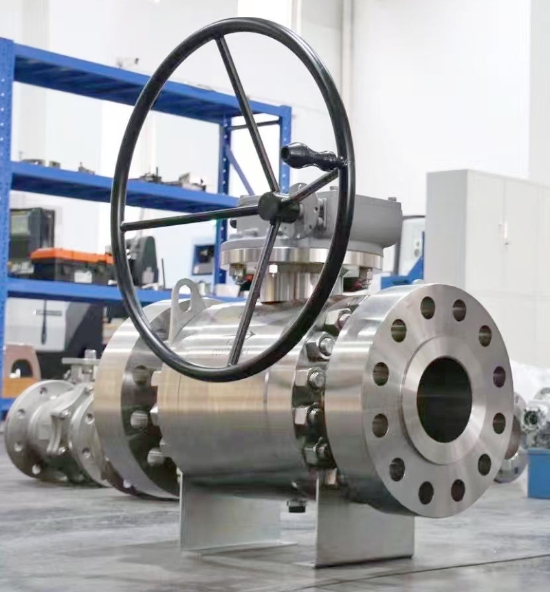
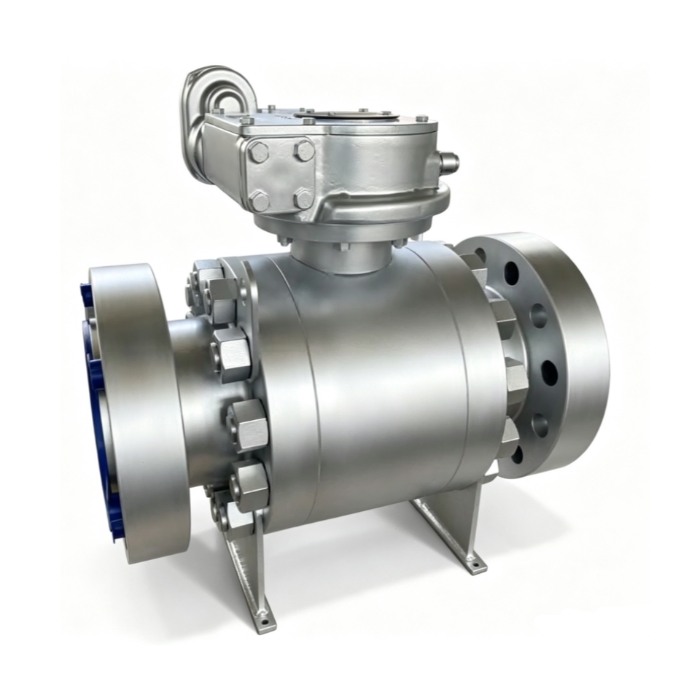
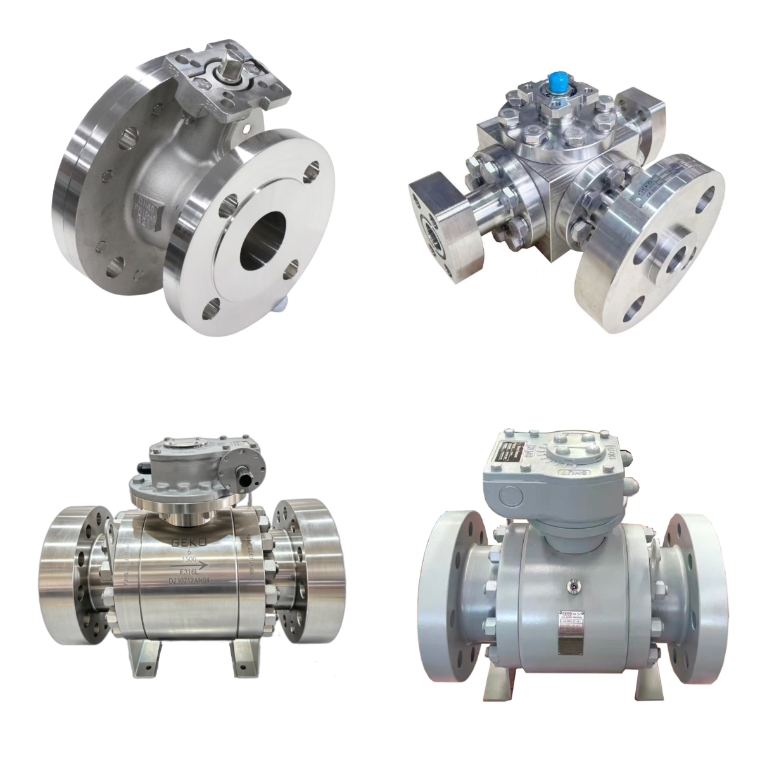
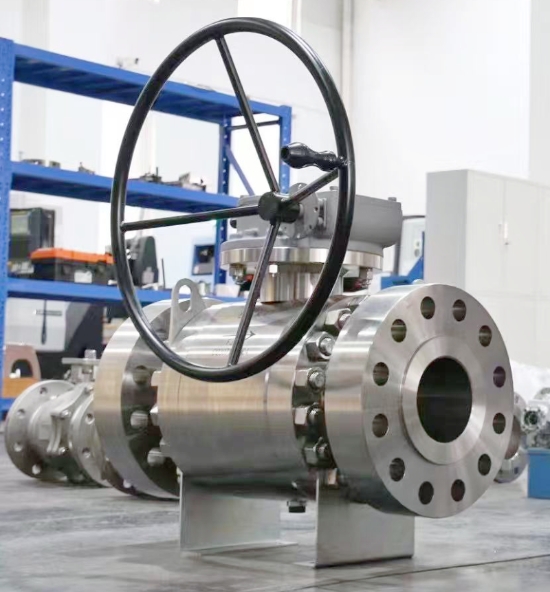
내식성 볼 밸브

홈페이지

내식성 볼 밸브

  • Ball Valve Materials Guide for Corrosion Resistance and Durability | GEKO Valve
    Ball Valve Materials Guide for Corrosion Resistance and Durability | GEKO Valve
    Oct 20, 2026
    Ball Valve Materials Guide for Corrosion Resistance and Durability Corrosion and premature wear are two leading causes of ball valve failure in chemical processing, offshore, water treatment, and oil & gas piping systems. Selecting the correct ball valve materials directly determines long-term durability, sealing integrity, safety, and total cost of ownership. A ball valve built with incompatible alloys or seat materials can suffer pitting, crevice corrosion, chemical attack, or seal degradation, leading to fugitive emissions, unplanned shutdowns, and expensive replacement. This GEKO Valve guide breaks down body, ball, liner, and seat materials by corrosion performance, service limits, and suitable industrial applications, helping engineers specify valves that last in aggressive process media. Why Corrosion Resistance and Material Durability Matter for Ball Valves Unlike generic piping components, ball valves contain wetted parts that stay in continuous contact with process fluids — acids, alkalis, brine, chlorides, solvents, and sour media. Even minor corrosion can lock the rotating ball, damage sealing surfaces, and break pressure containment. Durability does not only mean mechanical strength; it combines corrosion resistance, temperature stability, abrasion resistance, and resistance to cyclic operation. The optimal material balances chemical compatibility, pressure rating, temperature range, and project budget rather than defaulting to the most expensive superalloy.   Common Ball Valve Body Materials for Corrosive Service WCB Carbon Steel WCB is the standard cast carbon steel for general-purpose ball valves. It delivers high mechanical strength and pressure resistance but offers limited corrosion resistance. Carbon steel is suitable for clean oil, steam, natural gas, and non-corrosive water. In corrosive environments, WCB ball valves rely on internal PTFE or PFA lining to isolate the metal body from aggressive media. Without lining, carbon steel will rust rapidly in damp, acidic, or chloride-rich conditions. 304 / 316L Stainless Steel (CF8 / CF3M) 304 stainless steel works well for low-chloride fresh water, food-grade fluids, and mild alkaline solutions. 316L stainless steel adds molybdenum, greatly improving resistance to chloride ions, dilute acids, wastewater, and common organic solvents. The low-carbon 316L grade avoids intergranular corrosion after welding, making it the most widely specified stainless steel ball valve for moderate corrosion duties. It remains the baseline anti-corrosion choice for water treatment, pharmaceutical, and general chemical lines. 2205 and 2507 Duplex Stainless Steel Duplex stainless steel combines austenite and ferrite microstructures for superior chloride corrosion resistance and higher strength than 316L. 2205 duplex handles brine, brackish water, and moderate seawater service. 2507 super duplex offers outstanding pitting and stress corrosion cracking resistance for seawater desalination, coastal chemical plants, and produced water pipelines where standard 316L will fail over time.   High-Performance Alloys: Hastelloy C276, Monel 400, Inconel 625 Hastelloy C276 resists strong oxidizing acids, chlorine, hypochlorite, and mixed corrosive chemicals, widely used in chlor-alkali and fine chemical processes. Monel 400 provides excellent resistance to hydrofluoric acid and seawater. Inconel 625 is selected for high-temperature corrosive media and thermal fatigue conditions. These nickel-based superalloys deliver extreme corrosion protection but carry a much higher material cost and longer lead times. PTFE / PFA Lined Ball Valves Lined ball valves use a carbon steel or stainless steel shell with a continuous fluoropolymer liner covering all wetted surfaces. PTFE and PFA are nearly chemically inert against most concentrated acids, bases, and aggressive solvents. PFA offers better permeation resistance and higher-temperature stability than PTFE. Lined ball valves are a cost-effective alternative to exotic alloys for strong corrosive media at moderate pressure ranges. Ball and Seat Materials: The Critical Sealing Interface Body alloy protects the valve shell, but the ball and seat form the sealing interface that controls leakage and cycle life. Seat material failure is one of the most frequent durability issues in corrosive ball valves. Virgin PTFE: Universal chemical resistance, compatible with almost all corrosive media. Drawback: cold flow under sustained pressure, which can degrade sealing after long static hold periods. RPTFE (Reinforced PTFE): Filled with glass, carbon, or graphite to reduce creep and boost wear resistance while retaining broad chemical compatibility. It is the most popular upgrade over pure PTFE. PEEK: Excellent combination of corrosion resistance, high temperature capability, and mechanical durability for high-cycle and high-pressure chemical service. Viton / EPDM: Elastomer seats for specific media; Viton suits oils and hydrocarbons, EPDM works for hot water and weak acids. Both are limited against strong solvents and concentrated acids. Metal Seat with Stellite Coating: Hardened metal sealing surfaces for high temperature, abrasive slurry, and fire-safe service. Metal-sealed ball valves rely on alloy selection for corrosion resistance and do not provide bubble-tight shutoff like polymer seats. Key Selection Checklist for Corrosion Resistance & Durability Before finalizing ball valve materials, verify these application parameters: Full chemical composition of the process fluid, including trace chlorides, solids, and oxidizers Operating temperature and pressure, plus upset and thermal cycling conditions Flow velocity and abrasive particles that cause erosion wear Shutoff requirement: bubble-tight soft seat or fire-safe metal seat External environment: coastal salt spray, humid air, or underground burial Maintenance access and expected service life target Common Application Matching Summary Fresh water and mild chemical media → 316L ball valve with RPTFE seat. Seawater and brine → 2205 / 2507 duplex stainless steel. Concentrated acids and aggressive solvents → PFA-lined ball valve. Chlorine and mixed oxidizing chemicals → Hastelloy C276. High-temperature abrasive process → Stellite hard-faced metal seat paired with compatible body alloy. Final Thoughts Durable, corrosion-free ball valve performance comes from matching every wetted component to the process conditions, not just picking a single alloy. GEKO Valve supplies ball valves in carbon steel, stainless steel, duplex, nickel alloy, and PFA/PTFE lined configurations with a full range of seat and ball trim options. Proper material specification reduces corrosion-related failures and extends valve service life in demanding industrial piping systems.
    더 읽어보기
  • Ball Valve Materials: Pros and Cons for Industrial Applications | GEKO Valve
    Ball Valve Materials: Pros and Cons for Industrial Applications | GEKO Valve
    Oct 14, 2026
    Ball Valve Materials: Pros and Cons for Industrial Applications Selecting ball valve materials requires careful trade-offs between corrosion resistance, temperature tolerance, mechanical strength, cost and manufacturability. No single material works for every industrial process. Understanding the pros and cons of common ball valve body, ball and seat materials helps process engineers avoid premature failure, unexpected leakage and overspending on overly expensive alloys. This guide compares widely used materials for GEKO industrial ball valves to support faster, smarter valve specification. WCB Cast Carbon Steel & A105 Forged Carbon Steel Pros: High tensile strength, good performance under high pressure and elevated temperatures, affordable price, easy welding and machining. A105 forged carbon steel has denser grain structure, better impact resistance than cast WCB, ideal for critical high-pressure lines, steam and hydrocarbon service. Cons: Poor corrosion resistance. Carbon steel rusts rapidly when exposed to moisture, acids, chlorides and most corrosive chemicals. Not suitable for potable water, brine or continuous wet corrosive service. Impact performance drops sharply at cryogenic temperatures. SS304 / CF8 Stainless Steel Pros: Good general corrosion resistance for clean water and weak alkaline media, oxidation-resistant at moderate heat, easy to sanitize, cost-effective stainless option. It is widely accepted for sanitary, food and beverage, municipal water and general outdoor piping systems. Cons: Susceptible to pitting corrosion in chloride-containing environments such as seawater and brine. Poor resistance to strong acids. Not recommended for high-salinity or harsh chemical processes. SS316 / 316L (CF8M / CF3M) Stainless Steel Pros: Molybdenum addition improves chloride and mild acid resistance significantly. 316L low-carbon grade resists intergranular corrosion after welding. Versatile for chemical processing, food production, desalination pre-treatment and marine non-seawater circuits. It is the most popular stainless steel for corrosive industrial service. Cons: Still vulnerable to concentrated chloride, hot brine and strong reducing acids. Higher cost than SS304, and it cannot compete with duplex or nickel alloys for severe corrosion environments. 2205 Duplex Stainless Steel Pros: Combines austenitic and ferritic microstructure for high mechanical strength and excellent chloride pitting resistance. Outperforms 316 in brackish water, brine and low-to-moderate acid conditions. More economical than Hastelloy and other nickel alloys for seawater-related applications. Cons: Limited high-temperature operating range; it loses corrosion resistance at excessive heat. Less ductile than austenitic stainless steel and harder to machine. Not suitable for strong reducing acids. PFA / PTFE Lined Materials Pros: Almost universal chemical inertness against strong acids, alkalis and aggressive solvents. The metal shell provides structural strength while fluoropolymer lining isolates corrosive media. Perfect for harsh chemical processing where standard metals degrade quickly. Cons: Lining can be scratched by abrasive slurries. Not compatible with high-temperature steam. Temperature and pressure ratings are lower than solid metal valves, and lined valves are heavier and more expensive than carbon steel alternatives. Hastelloy C276, Alloy 20 and Monel Nickel Alloys Pros: Outstanding resistance to oxidizing acids, sour gas (H₂S), chlorine and many aggressive chemicals. Excellent resistance to stress corrosion cracking and localized pitting. These specialty alloys serve critical, high-risk processes where 316 and duplex steel fail. Cons: Very high raw material and machining costs. Long lead times are common. Nickel alloys are only justified for extreme corrosive conditions, making them impractical for standard water, oil or steam lines. Common Seat & Seal Materials: PTFE, FKM, Metal, PEEK PTFE: Pros — chemically inert, bubble-tight shutoff; Cons — prone to cold flow, limited high-temperature range. FKM (Viton): Pros — resistant to oils, fuels and hydrocarbons; Cons — incompatible with ketones and some strong acids. Metal seat: Pros — suitable for high temperature, abrasive media and frequent cycling; Cons — not bubble tight, higher torque requirement. PEEK: Pros — excellent wear and high-temperature resistance; Cons — premium pricing, limited availability. Quick Comparison Guidance Carbon steel works best for non-corrosive high-temperature steam and oil. SS304 fits clean, low-chloride water and sanitary light-duty service. SS316 balances performance and budget for general corrosive applications. 2205 duplex is the go-to for brine and high-chloride water. Lined valves handle aggressive chemicals, while nickel alloys are reserved for extreme corrosive process conditions. Closing Notes from GEKO Valve Material selection should never rely on cost alone. A cheaper valve that fails early will generate far higher downtime and maintenance costs. Share your medium, temperature, pressure and chemical concentration with GEKO’s engineering team to select a ball valve material that matches your industrial application perfectly.
    더 읽어보기
  • Which Ball Valve Material Is Best for Your Application? | GEKO Valve
    Which Ball Valve Material Is Best for Your Application? | GEKO Valve
    Oct 14, 2026
    Which Ball Valve Material Is Best for Your Application? Choosing the correct ball valve material is one of the most critical decisions for process reliability. Even a well-designed ball valve will fail prematurely if its body, ball and seat materials are incompatible with your fluid, temperature, pressure and chemical environment. With options ranging from WCB carbon steel and stainless steel to duplex steel, PFA lining and specialty alloys, engineers and procurement teams need a clear framework to match materials to their exact working conditions. This guide breaks down common ball valve materials, their strengths, limitations and ideal use cases to help you select the right GEKO ball valve for your system. Core Factors That Decide Ball Valve Material Before comparing materials, confirm four key process parameters. The fluid medium and chemical concentration determine corrosion risk. Operating temperature impacts material toughness, creep resistance and seal performance. Working pressure defines wall thickness and mechanical strength requirements. Additional factors include chloride content, abrasive particles, cyclic switching frequency and hygienic requirements for food or pharmaceutical service.     WCB Carbon Steel / A105 Forged Steel Ball Valves WCB cast carbon steel and A105 forged carbon steel are cost-effective, high-strength options for non-corrosive media. They perform reliably at elevated temperatures and suit steam, compressed air, fuel oil and natural gas pipelines in power plants, thermal systems and general oil & gas service. Carbon steel works well from -29°C up to around 425°C, but it rusts quickly when exposed to water, acids or chloride-rich fluids. It is not recommended for wet corrosive service, drinking water or chemical processing lines. SS304 (CF8) Stainless Steel Ball Valves SS304 stainless steel is the standard corrosion-resistant ball valve material for water treatment, clean water, weak alkaline fluids and general outdoor piping. It offers good oxidation resistance and excellent low-temperature toughness, making it popular for general industrial and sanitary applications. SS304 works for low-chloride water but struggles with saltwater, brine and concentrated chloride media, where pitting corrosion will develop over time. SS316 / 316L (CF8M / CF3M) Stainless Steel Ball Valves SS316 stainless steel includes molybdenum, which greatly improves resistance to chlorides, mild acids and many chemical solvents. It is the most widely specified stainless grade for chemical plants, desalination pre-treatment, food & beverage processing and marine non-seawater circuits. 316L low-carbon variants reduce intergranular corrosion after welding, preferred for long-term continuous chemical service. For most general corrosive industrial applications, SS316 is the default upgrade from SS304. 2205 Duplex Stainless Steel Ball Valves 2205 duplex stainless steel combines high mechanical strength and superior chloride pitting resistance. It outperforms 316 in brackish water, seawater, brine and moderate acid environments. Duplex ball valves are widely used in desalination, offshore auxiliary lines and mine water systems. It balances strength and corrosion resistance without moving to expensive nickel alloys, though it has narrower high-temperature limits than many stainless grades. PFA / PTFE Lined Ball Valves PFA and PTFE lined ball valves use a carbon steel or stainless steel pressure shell with a fluoropolymer lining that contacts the fluid. The lining is chemically inert against most strong acids, alkalis and aggressive solvents. These lined ball valves are the primary choice for harsh chemical processes where metallic alloys cannot survive. They are not suitable for high-temperature steam or abrasive slurries that can scratch the lining surface. Specialty Alloy Ball Valves: Hastelloy, Alloy 20, Monel For extreme corrosive conditions such as concentrated acids, sour gas, hydrogen sulphide and oxidising chemicals, GEKO supplies ball valves built from Hastelloy C276, Alloy 20 and Monel. These exotic alloys resist localized corrosion and stress cracking in environments that attack 316 and duplex steel. They carry higher material costs and are reserved for critical chemical, hydrogen and high-risk process applications. Seat & Seal Material Matching (Not Only Body Material) Body material alone cannot guarantee reliable shutoff. Seat materials must also match the process. PTFE seats deliver bubble-tight isolation for most clean fluids up to moderate temperatures. FKM (Viton) works for oils and hydrocarbons. Metal seats are selected for high temperature, abrasive media and frequent cycling. PEEK seats offer outstanding wear resistance for demanding cyclic service. A mismatch between seat material and medium is a common cause of leakage even when the valve body is correctly specified. Quick Application Reference Steam, oil, compressed air: WCB / A105 carbon steel Clean water, food-grade mild fluid: SS304 General chemical, low-chloride corrosive service: SS316 / 316L Seawater, brine, high-chloride water: 2205 duplex stainless steel Strong acids and aggressive chemicals: PFA lined ball valve Sour gas, concentrated corrosive media: Hastelloy or nickel alloy Final Recommendations from GEKO Valve The best ball valve material is always the one that balances corrosion resistance, temperature-pressure rating, service life and budget. Over-specifying exotic alloys increases unnecessary expense, while under-specifying leads to unplanned shutdowns and safety risks. If you are unsure about material compatibility for your process fluid, share your medium, temperature, pressure and concentration data with GEKO’s engineering team for a verified material recommendation.
    더 읽어보기
  • 볼 밸브 기초: 종류, 적용 분야 및 선택 기준 | GEKO 밸브
    볼 밸브 기초: 종류, 적용 분야 및 선택 기준 | GEKO 밸브
    Sep 13, 2026
     볼 밸브 기초: 종류, 용도 및 선택 기준볼 밸브는 전 세계 산업 배관 시스템에 널리 사용되는 기본적인 1/4회전 유량 제어 부품입니다. 컴팩트한 구조, 빠른 90도 개폐 작동, 안정적인 밀폐성, 뛰어난 내구성으로 유명한 산업용 볼 밸브는 대부분의 유체 차단 및 조절 상황에서 기존 게이트 밸브나 글로브 밸브보다 우수한 성능을 발휘합니다. 시스템 설계자, 엔지니어, 구매 담당자는 배관 고장을 예방하고 유지보수 비용을 절감하며 시스템 운영 효율을 최적화하기 위해 볼 밸브의 분류, 산업별 적용 분야, 표준화된 선정 기준을 이해하는 것이 필수적입니다. 이 볼 밸브 기초 가이드는 정확한 볼 밸브 선정을 위한 체계적이고 이해하기 쉬운 전문 지식을 제공합니다.1. 산업용 볼 밸브의 주요 유형산업용 볼 밸브는 구조 설계, 내경 규격, 밀봉 구성 및 작동 방식에 따라 분류됩니다. 각 유형은 고유한 성능 특성과 적용 가능한 작업 조건을 갖추고 있습니다. 1.1 플로팅 볼 밸브 및 트러니언 장착형 볼 밸브플로팅 볼 밸브 고정된 축 지지대 없이 자유롭게 움직이는 볼 구조를 특징으로 합니다. 중간 압력 하에서 볼은 하류 시트에 단단히 밀착되어 기밀 밀봉을 실현합니다. 간단하고 가벼운 구조와 비용 효율성 덕분에 플로팅 볼 밸브는 소형, 저압~중압의 일반 배관에 이상적이며, 수처리, HVAC 및 일반 산업용 유체 시스템에 널리 사용됩니다.트러니언 장착형 볼 밸브 이중 상하 트러니언 고정 지지 설계를 채택하여 볼을 안정적인 위치에 고정합니다. 이 구조는 밀봉 시트 압력과 작동 토크를 효과적으로 줄여 마모를 최소화하고 수명을 연장합니다. 대형, 고압, 고주기 작동 환경에 적합한 트러니언 볼 밸브는 석유 및 가스 수송, 석유화학 정제, 장거리 산업 파이프라인 시스템에서 널리 사용되는 중하중 솔루션입니다. 1.2 풀 포트 볼 밸브 및 리듀스드 포트 볼 밸브풀포트 볼 밸브 이 제품은 파이프 내경과 동일한 직선형 내경으로 설계되어 유동 저항이 거의 없고 파이프라인 압력 강하가 매우 낮습니다. 이러한 설계는 파이프라인 전체 피깅 및 세척 작업을 지원하므로 유체 흐름이 원활하고 일상적인 유지 보수가 편리한 고유량 송유관 및 공정 주 배관에 적합합니다.포트 축소형 볼 밸브 경량화, 소형화, 제조 비용 절감을 특징으로 하는 유선형 축소 내경 구조를 채택했습니다. 유로가 약간 좁아졌지만 기존의 차단 및 유량 제어 요구 사항은 완벽하게 충족합니다. 엄격한 저압 강하 또는 피깅 요구 사항이 없는 일반 산업용 파이프라인에 가장 경제적인 옵션입니다. 1.3 소프트 시트 및 메탈 시트 볼 밸브소프트 시트 볼 밸브 고성능 PTFE 및 폴리머 복합 밀봉재를 사용하여 상온 및 청정 매체 조건에서 절대 누출 제로를 달성합니다. 낮은 마찰 계수와 유연한 전환 성능을 갖추고 있어 깨끗한 물, 압축 공기, 천연 가스 및 비마모성 일반 화학 매체에 널리 적용됩니다.금속 시트 볼 밸브 밀봉면에 합금 경화 처리를 한 전문적인 금속 대 금속 경질 밀봉 구조를 채택했습니다. 탁월한 고온, 고압 및 내마모성을 특징으로 하며, 연마성 슬러리, 부식성 매체 및 반복적인 열 순환과 같은 가혹한 환경에서도 안정적으로 작동하여 연질 밀봉 재료의 노화 및 고장 문제를 해결합니다.1.4 수동 및 작동식 볼 밸브핸들 또는 기어 작동 방식의 수동 볼 밸브는 구조가 간단하고 유지 보수 비용이 저렴하여 수동 제어 빈도가 낮은 상황에 적합합니다. 현대 자동화 산업 시스템에서는공압식 볼 밸브 그리고 전기식 볼 밸브 필수적인 구성 요소입니다. 공압 볼 밸브는 빠른 스위칭 속도와 가연성 및 위험 작업 환경에서 신뢰할 수 있는 방폭 성능을 제공합니다. 전기 볼 밸브는 정밀한 유량 조절과 원격 신호 연동을 지원하여 PLC 및 SCADA 지능형 제어 시스템과 완벽하게 호환됩니다. 2. 볼 밸브의 일반적인 산업적 응용 분야다양한 볼 밸브 유형은 특정 산업 시나리오에 맞춰 개발되었습니다. 공정 특성에 기반한 적절한 유형 선택은 장기적으로 안정적이고 신뢰할 수 있는 파이프라인 운영을 보장합니다.수처리 및 냉난방 시스템소프트 시트 플로팅 볼 밸브와 축소 포트 볼 밸브는 비용과 밀봉 안정성을 균형 있게 유지하면서 급수, 배수 및 중앙 냉방 순환 배관에 널리 사용됩니다.석유 및 가스 산업장거리 송유관에는 저압 손실을 보장하고 전문적인 파이프라인 피깅 유지보수를 지원하기 위해 고하중 트러니언 장착형 볼 밸브와 풀포트 볼 밸브가 채택되었습니다.화학 및 석유화학 플랜트고성능 금속 시트 볼 밸브와 부식 방지 볼 밸브는 고온, 부식성 및 마모성 공정 매체에 적합하도록 설계되어 가혹한 사용 조건에 대응할 수 있습니다.발전 및 열에너지고온 내성 금속 시트 볼 밸브는 극한의 온도 변화와 매체의 마모에 견디기 위해 증기 파이프라인, 열 순환 시스템 및 고압 공정 장비에 적용됩니다.지능형 제조자동 공압 및 전기 구동식 볼 밸브는 지능형 생산 파이프라인을 위해 무인 스위칭, 원격 모니터링 및 정밀 유량 조절을 구현합니다.3. 표준 볼 밸브 선정 기준볼 밸브를 과학적으로 선택하려면 단순히 크기만 보고 선택하는 것이 아니라 표준화된 기준을 따라야 합니다. 핵심 선택 규칙은 구조, 밀봉, 내경 유형, 작동 방식 및 작동 조건 적응성을 포함합니다.구조 선택 기준소구경, 저압 및 중압의 일반 배관에는 플로팅 볼 밸브를 선택하고, 대구경, 고압 및 고빈도 작동이 요구되는 고하중 배관에는 트러니언 장착형 볼 밸브를 선택하십시오.밀봉재 선택 기준상온, 깨끗하고 마모성이 없는 유체에 누출이 전혀 없어야 하는 경우에는 연질 시트 볼 밸브를 사용하고, 고온, 고압, 마모성 및 부식성 환경과 같은 가혹한 작업 조건에는 금속 시트 볼 밸브를 사용하십시오.보어 유형 선택 기준유량이 많고 압력 강하가 적은 배관 및 피깅 청소가 필요한 시스템에는 전체 포트 볼 밸브를 우선적으로 사용하고, 일반적인 차단 시나리오에서는 프로젝트 비용 절감을 위해 축소 포트 볼 밸브를 선택하십시오.작동 방식 선택 기준저주파 스위칭을 위한 수동 작동을 구성하고, 방폭 위험 지역에는 공압 액추에이터를 선택하며, 원격 지능형 제어 및 정밀 유량 조절에는 전기 액추에이터를 채택합니다.근무 조건 일치 기준밸브의 압력 등급, 내열 등급 및 재질 호환성을 실제 매체의 특성, 작동 온도 및 최대 작동 압력에 따라 검증하여 밀봉 불량 및 밸브 손상을 방지하십시오.4. 고품질 산업용 볼 밸브의 주요 이점고품질 산업용 볼 밸브는 빠른 1/4회전 작동, 컴팩트한 설치 공간, 완벽한 기밀 차단 성능, 뛰어난 유체 적응성, 낮은 장기 유지보수 비용 등 현대 유체 제어 시스템에 필수적인 이점을 제공합니다. 일반 토목 배관에서부터 고하중 산업 공정 시스템에 이르기까지, 적절하게 선택된 볼 밸브는 파이프라인 운영 효율을 효과적으로 향상시키고 시스템 고장률을 줄일 수 있습니다.5. GEKO 밸브의 신뢰할 수 있는 볼 밸브 솔루션GEKO Valve는 플로팅 볼 밸브, 트러니언 마운트 볼 밸브, 풀 포트 및 리듀스 포트 볼 밸브, 소프트 시트 및 메탈 시트 볼 밸브, 그리고 완벽한 공압/전기 구동식 볼 밸브 패키지를 포함한 다양한 표준 및 맞춤형 산업용 볼 밸브 제품군을 제공합니다. 모든 제품은 엄격한 품질 검사와 안정적인 성능을 바탕으로 국제 산업 표준을 준수합니다. GEKO Valve는 다양한 산업 현장에 가장 적합한 볼 밸브를 선택할 수 있도록 전문적인 원스톱 솔루션을 제공하여 전 세계 산업 프로젝트에 높은 신뢰성과 낮은 유지보수성을 갖춘 유체 제어 솔루션을 제공합니다.9가지 핵심 SEO 키워드산업용 볼 밸브, 고압 볼 밸브, 저압 볼 밸브, API 표준 볼 밸브, 공정용 볼 밸브, 쿼터턴 볼 밸브, 차단 볼 밸브, 내식성 볼 밸브, 자동 볼 밸브
    더 읽어보기

메시지를 남겨주세요

메시지를 남겨주세요
저희 제품에 관심이 있으시고 자세한 내용을 알고 싶으시다면, 여기에 메시지를 남겨주세요. 최대한 빨리 답변해 드리겠습니다.
제출하다

홈페이지

제품

연락하다