고압 볼 밸브

홈페이지

고압 볼 밸브

  • Essential Buyer Guide for Sourcing Industrial Ball Valves | GEKO Valve
    Essential Buyer Guide for Sourcing Industrial Ball Valves | GEKO Valve
    Aug 08, 2026
    Essential Buyer Guide for Sourcing Industrial Ball Valves Sourcing high-quality industrial ball valves is one of the most critical steps for industrial project procurement, pipeline system construction, and equipment maintenance. Many buyers focus only on price, size, and delivery time while ignoring core technical parameters, material compatibility, structural design, and supplier qualification verification. Improper sourcing leads to frequent valve leakage, seal failure, short service life, unplanned system shutdowns, and increased long-term operating costs.     This essential buyer guide covers every key step for sourcing reliable industrial ball valves, helping procurement engineers, project managers, and system integrators make cost-effective, safe, and compliant purchasing decisions for petrochemical, power plant, water treatment, natural gas, and chemical industrial piping systems.     1. Confirm Exact Working Condition Requirements Before Inquiry Vague technical requirements are the leading cause of wrong valve sourcing. Before contacting suppliers, buyers must clarify full on-site working parameters to ensure 100% model matching. - Fluid Medium: Clearly define clean water, steam, crude oil, natural gas, corrosive chemical liquid, slurry, or cryogenic medium. Medium properties determine valve body material, seal type, and anti-corrosion configuration. - Pressure & Temperature Range: Confirm nominal pressure, maximum instantaneous pressure surge, continuous working temperature, and extreme temperature conditions. Pressure class (Class150 to Class900) and temperature resistance directly decide valve structural safety. - Valve Function: Distinguish full shut-off service or proportional flow regulation service. Standard ball valves are for on/off isolation, while V-port ball valves are required for precise flow modulation. - Pipeline Specifications: Confirm pipe diameter, full port or reduced port demand, and end connection type including flanged, threaded, butt-weld, and socket weld. - Operation Mode: Select manual, pneumatic, electric, or hydraulic actuation according to automatic control system requirements and on-site power/gas conditions.   2. Select Correct Ball Valve Structure Type Different ball valve structures correspond to completely different application scenarios. Choosing the right structure avoids over-specification cost waste or under-specification safety risks. - Floating Ball Valve: Ideal for small-size, low-to-medium pressure general industrial pipelines. Simple structure and cost-effective for water treatment, light chemical, and common gas systems. - Trunnion Mounted Ball Valve: Designed for large-bore, high-pressure, and frequent switching working conditions. Features stable low torque and long service life, suitable for oil and gas transmission, power plant, and heavy petrochemical projects. - Three-Piece Ball Valve: Easy inline maintenance without pipeline disassembly, perfect for equipment requiring regular inspection and cleaning. - Specialized Ball Valves: Select V-port valves for flow regulation, sanitary valves for food and pharmaceutical industries, cryogenic valves for ultra-low temperature media, and multi-way valves for fluid diversion and mixing systems.   3. Verify Body and Seal Material Compatibility Material mismatch is the main reason for premature ball valve failure during operation. Buyers must confirm material standards based on actual medium characteristics: - WCB Carbon Steel: Suitable for steam, general oil, and non-corrosive medium in power plant auxiliary pipelines. - SS304/SS316 Stainless Steel: Applied for water, weak acid, alkaline, and general corrosive chemical media. - Duplex Steel: Used for seawater, brine, and strong corrosive working environments. - Soft Seat (PTFE/RPTFE/PEEK): Provides bubble-tight shut-off for clean medium under normal and medium temperature. - Metal-to-Metal Hard Seat: Adopted for high temperature, high pressure, abrasive slurry, and high-speed fluid conditions.   4. Check Standard Safety and Industrial Certifications Qualified industrial ball valves must comply with international industry standards to ensure project safety and pass engineering inspection. Professional sourcing must verify core certifications: - API 6D petroleum and natural gas industry standard - ISO 9001 quality management system certification - CE safety certification for European market - Fire-safe and anti-static certification for flammable medium pipelines - Material Test Report (MTR) and factory inspection report 5. Balance Purchase Cost and Long-Term Lifecycle Value   Many buyers only pursue low upfront purchase prices during sourcing. Low-cost ball valves usually adopt inferior raw materials, rough casting, and simplified sealing structures. Although the initial cost is low, they easily cause leakage, jamming, and frequent replacement, resulting in higher overall operation and maintenance costs. Professional sourcing requires comprehensive evaluation of valve service life, maintenance cycle, spare parts universality, and after-sales service response speed, prioritizing long-term stable operation value over temporary low price.   6. Evaluate Supplier Strength and Service Capability Excellent product quality depends on reliable manufacturers. When sourcing industrial ball valves, buyers should focus on factory strength rather than trading middlemen: - Professional valve manufacturing factory with complete production and testing equipment - Rich project experience in power, petrochemical, and water treatment industries - Support customized parameters, special material configuration, and OEM service - Stable delivery cycle and perfect after-sales technical support   7. Confirm Installation, Maintenance and After-Sales Terms Before finalizing orders, confirm detailed after-sales terms including product warranty period, on-site installation guidance, fault solution efficiency, and spare parts supply. Industrial ball valves belong to long-term pipeline supporting equipment, and perfect after-sales service can effectively avoid project delays caused by product faults. Common Sourcing Mistakes to Avoid - Selecting general-purpose valves for high-pressure, high-temperature or corrosive special working conditions - Ignoring material test reports and industry certifications for cost reduction - Matching only pipe size without considering pressure grade and flow requirements - Purchasing non-standard valves that cannot match mainstream pipeline systems and actuators   Conclusion Sourcing industrial ball valves is a systematic technical work that requires comprehensive consideration of working conditions, structural type, material configuration, safety certification, supplier strength and lifecycle cost, instead of simple price comparison. Standardized sourcing processes can effectively avoid product failure, project rework and economic losses. GEKO Valve is a professional industrial ball valve manufacturer providing floating ball valves, trunnion mounted ball valves, three-piece ball valves and special customized ball valves. We provide one-stop technical selection, customized production, stable delivery and full after-sales service for global industrial piping projects, becoming a reliable long-term sourcing partner for industrial buyers.
    더 읽어보기
  • 볼 밸브의 분류
    볼 밸브의 분류
    Jun 04, 2022
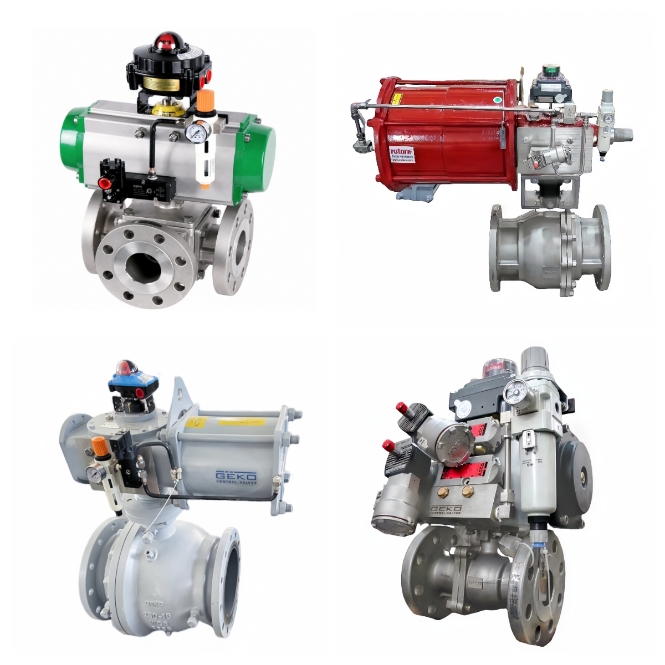
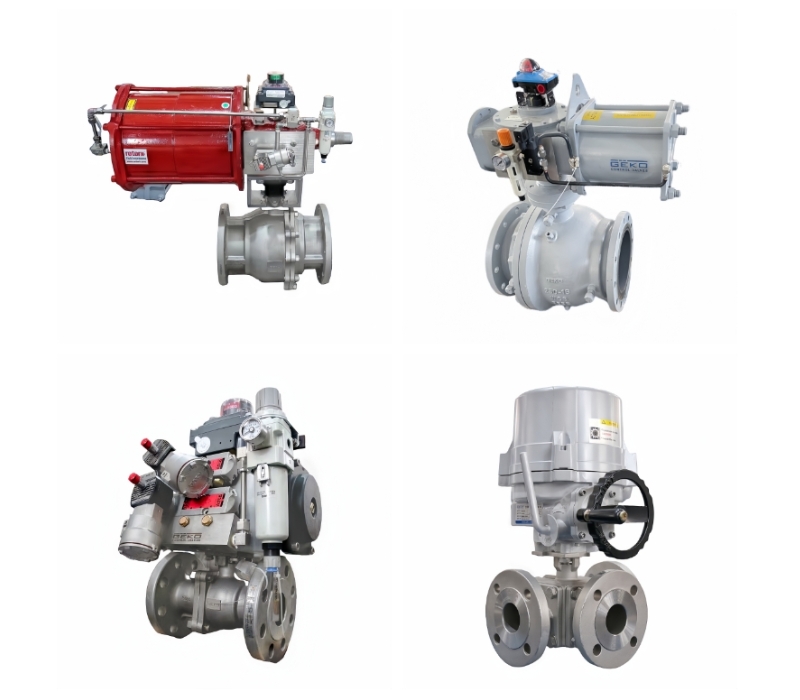
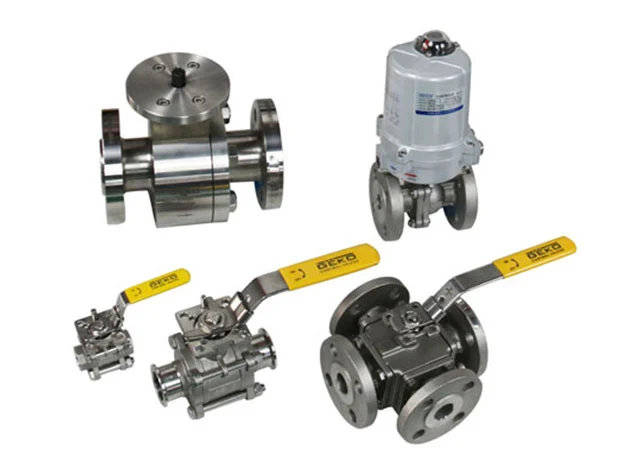
    볼 밸브의 개폐 부분은 원형 채널을 가진 구(sphere)로, 채널에 수직인 축을 중심으로 회전하며, 구는 밸브 스템과 함께 회전하여 채널을 개폐하는 역할을 합니다. 볼 밸브는 90도 회전 동작과 적은 토크만으로도 완벽하게 닫힙니다. 다양한 구동 장치를 조립하여 작동 조건에 따라 다양한 제어 방식을 가진 볼 밸브를 구성할 수 있습니다. 전동 볼 밸브, 공압 볼 밸브, 유압 볼 밸브 등이 있습니다. 구조에 따라 다음과 같이 나눌 수 있습니다.  1. 플로팅 볼 밸브  볼 밸브의 볼은 떠 있습니다. 중간 압력의 작용으로 볼은 일정한 변위를 발생시켜 출구 끝의 밀봉면을 단단히 눌러 출구 끝의 밀봉을 보장합니다. 플로팅 볼 밸브는 구조가 간단하고 밀봉 성능이 우수하지만, 작동 매체를 지지하는 볼의 하중은 모두 출구 밀봉 링으로 전달되므로 밀봉 링 재질이 볼 매체의 작동 하중을 견딜 수 있는지 고려해야 합니다. 이러한 구조는 중압 및 저압 볼 밸브에 널리 사용됩니다.  2. 고정 볼 밸브  볼 밸브의 볼은 고정되어 있어 눌렀을 때 움직이지 않습니다. 고정 볼 밸브는 플로팅 밸브 시트를 가지고 있습니다. 매체의 압력을 받으면 밸브 시트가 움직이면서 실링 링이 볼을 단단히 눌러 밀봉을 보장합니다. 베어링은 일반적으로 볼과 함께 상하축에 설치되며, 작동 토크가 작아 고압 및 대구경 밸브에 적합합니다. 볼 밸브의 작동 토크를 줄이고 씰의 가용성을 높이기 위해 최근 오일 씰 볼 밸브가 등장했습니다. 특수 윤활유를 씰 표면 사이에 주입하여 유막을 형성하여 씰링 성능을 향상시킬 뿐만 아니라 작동 토크를 줄여 고압 및 대구경 볼 밸브에 더욱 적합합니다.  3. 탄성 볼 밸브  볼 밸브의 볼은 탄성이 있습니다. 볼과 밸브 시트 실링 링은 모두 금속 재질로 제작되어 실링 비압이 매우 높습니다. 유체 자체의 압력에 따라 실링 요구 사항을 충족하지 못하는 경우 외부에서 힘을 가해야 합니다. 이 밸브는 고온 고압 유체에 적합합니다. 탄성 구는 구 내벽 하단에 탄성 홈을 뚫어 탄성을 확보함으로써 형성됩니다. 채널이 닫히면 밸브 스템의 쐐기 헤드를 사용하여 볼을 팽창시키고 밸브 시트를 압축하여 밀봉을 구현합니다. 볼을 돌리기 전에 쐐기 헤드를 풀어주면 볼이 원래 모양으로 돌아가면서 볼과 밸브 시트 사이에 작은 간극이 생겨 밀봉 표면의 마찰과 작동 토크를 줄일 수 있습니다. 일반적으로 사용되는 볼 밸브 분류 방법은 다음과 같습니다. 압력의 크기에 따라: 고압 볼 밸브, 중압 볼 밸브, 저압 볼 밸브 유량 채널 유형별: 풀보어 볼 밸브, 리듀스보어 볼 밸브 채널 위치별: 직통, 3방향, 직각 온도에 따라: 고온 볼 밸브, 상온 볼 ​​밸브, 저온 볼 밸브, 초저온 볼 밸브 밀봉 형태에 따라 소프트 밀봉 볼 밸브, 하드 밀봉 볼 밸브 스템별 조립: 상단 진입 볼 밸브, 측면 진입 볼 밸브 연결 형태에 따라: 플랜지 볼 밸브, 용접 볼 밸브, 나사 볼 밸브, 클램프 볼 밸브 구동방식에 따라 수동볼밸브, 자동제어볼밸브(공압볼밸브, 전동볼밸브, 유압볼밸브) 구경 크기에 따라: 초대형 직경 볼 밸브, 대구경 볼 밸브, 중구경 볼 밸브, 소구경 볼 밸브.
    더 읽어보기

메시지를 남겨주세요

메시지를 남겨주세요
저희 제품에 관심이 있으시고 자세한 내용을 알고 싶으시다면, 여기에 메시지를 남겨주세요. 최대한 빨리 답변해 드리겠습니다.
제출하다

홈페이지

제품

연락하다