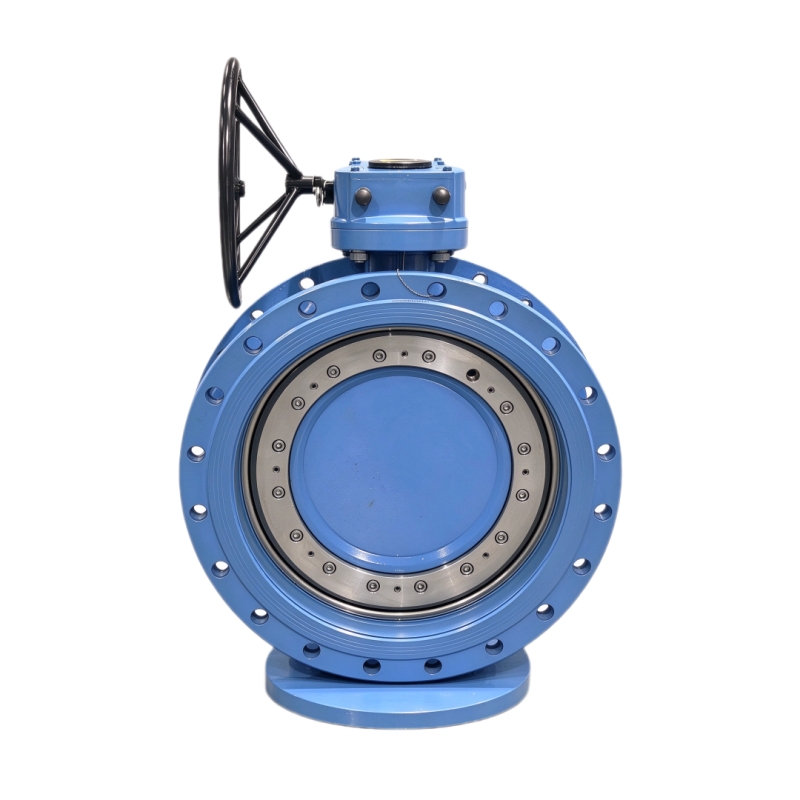
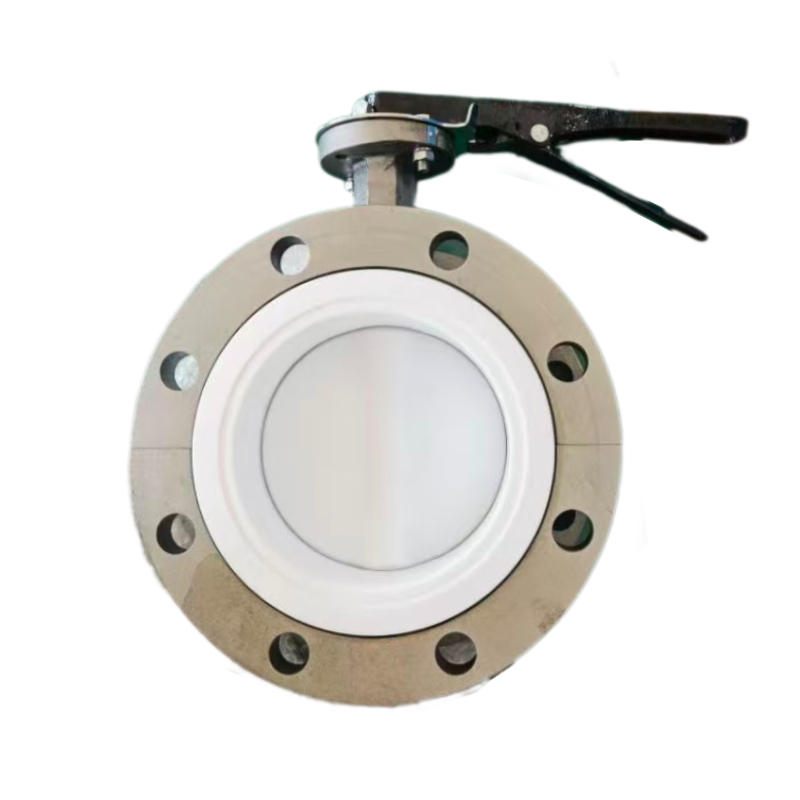
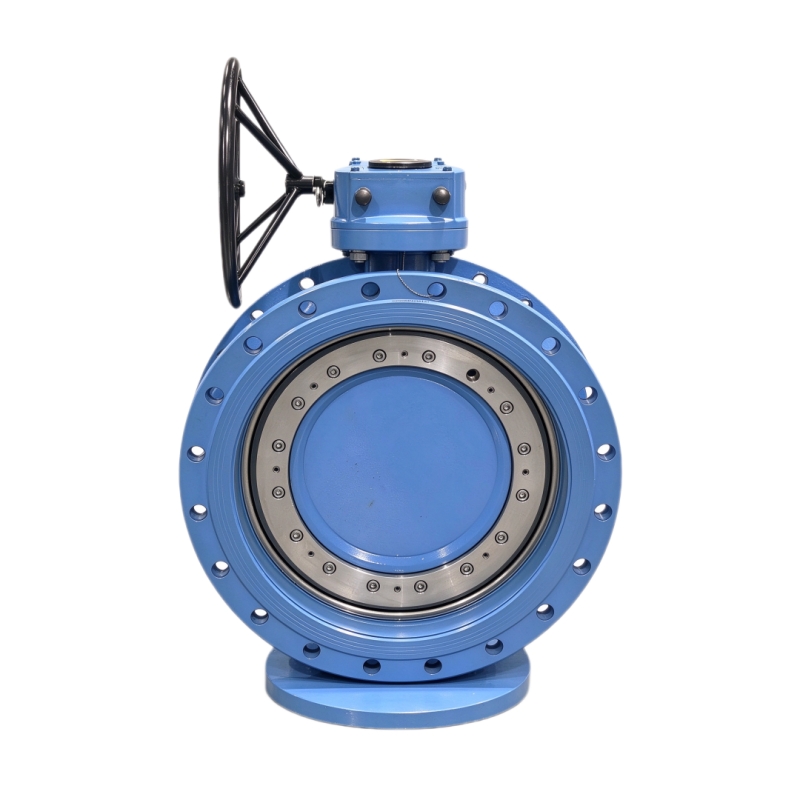
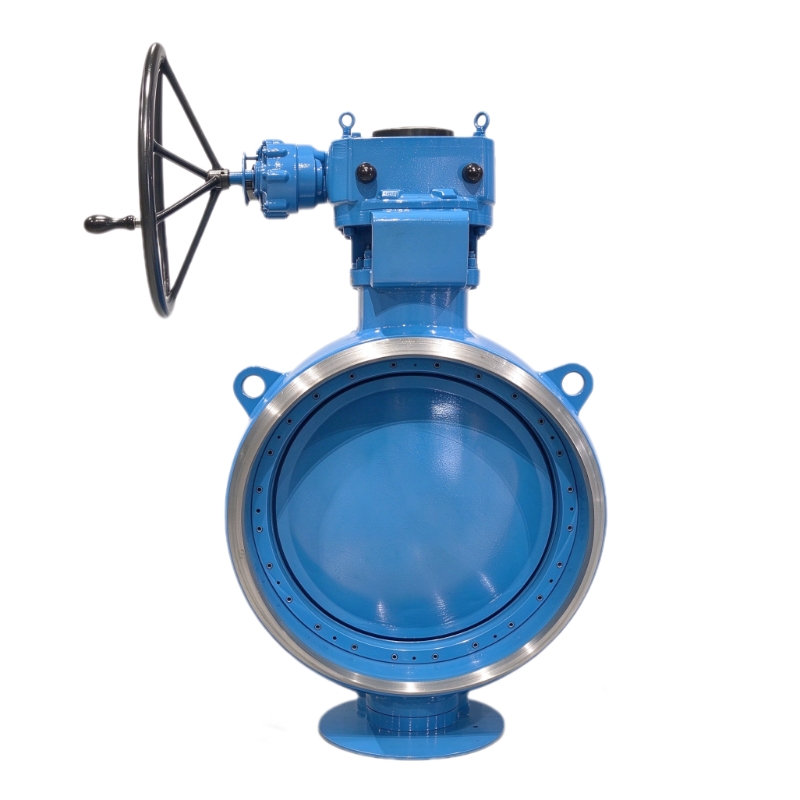
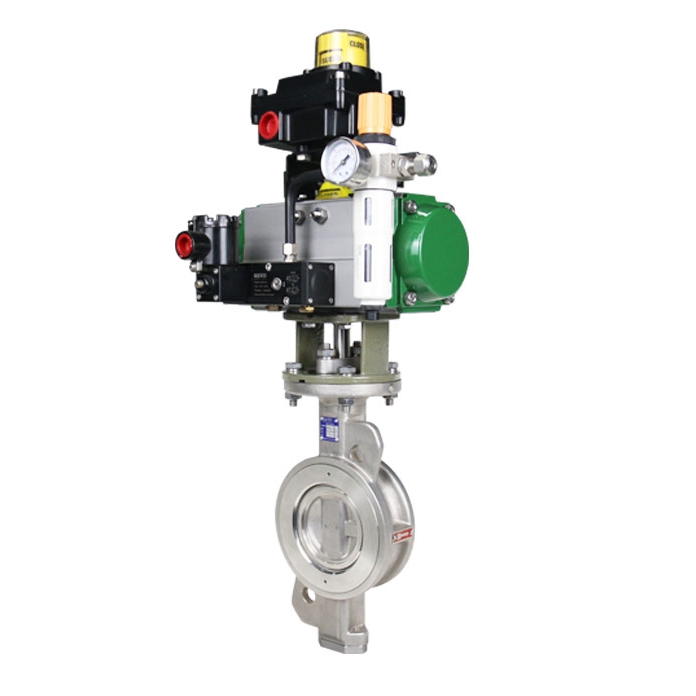
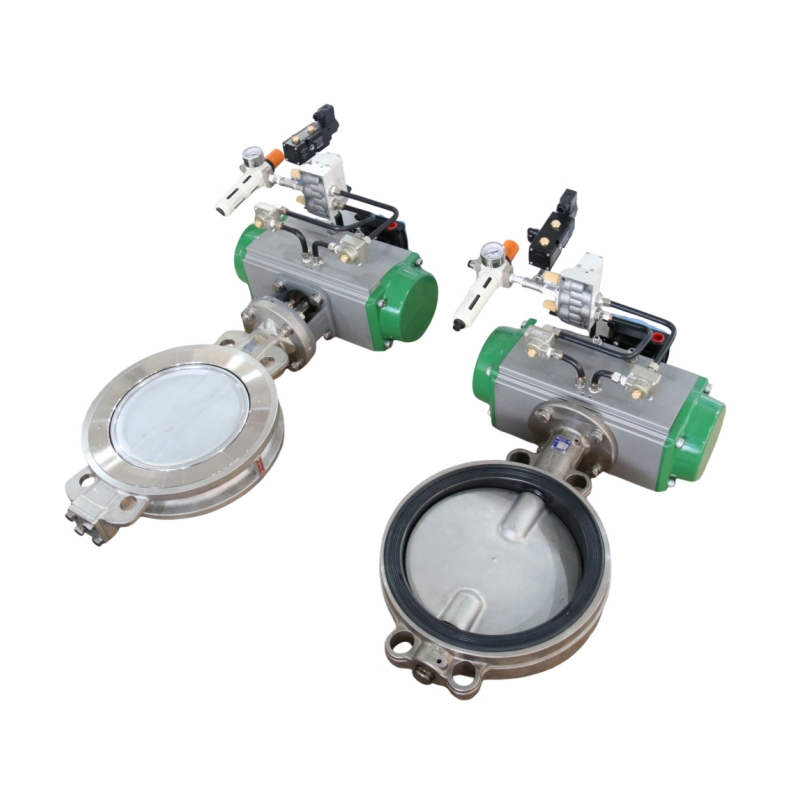
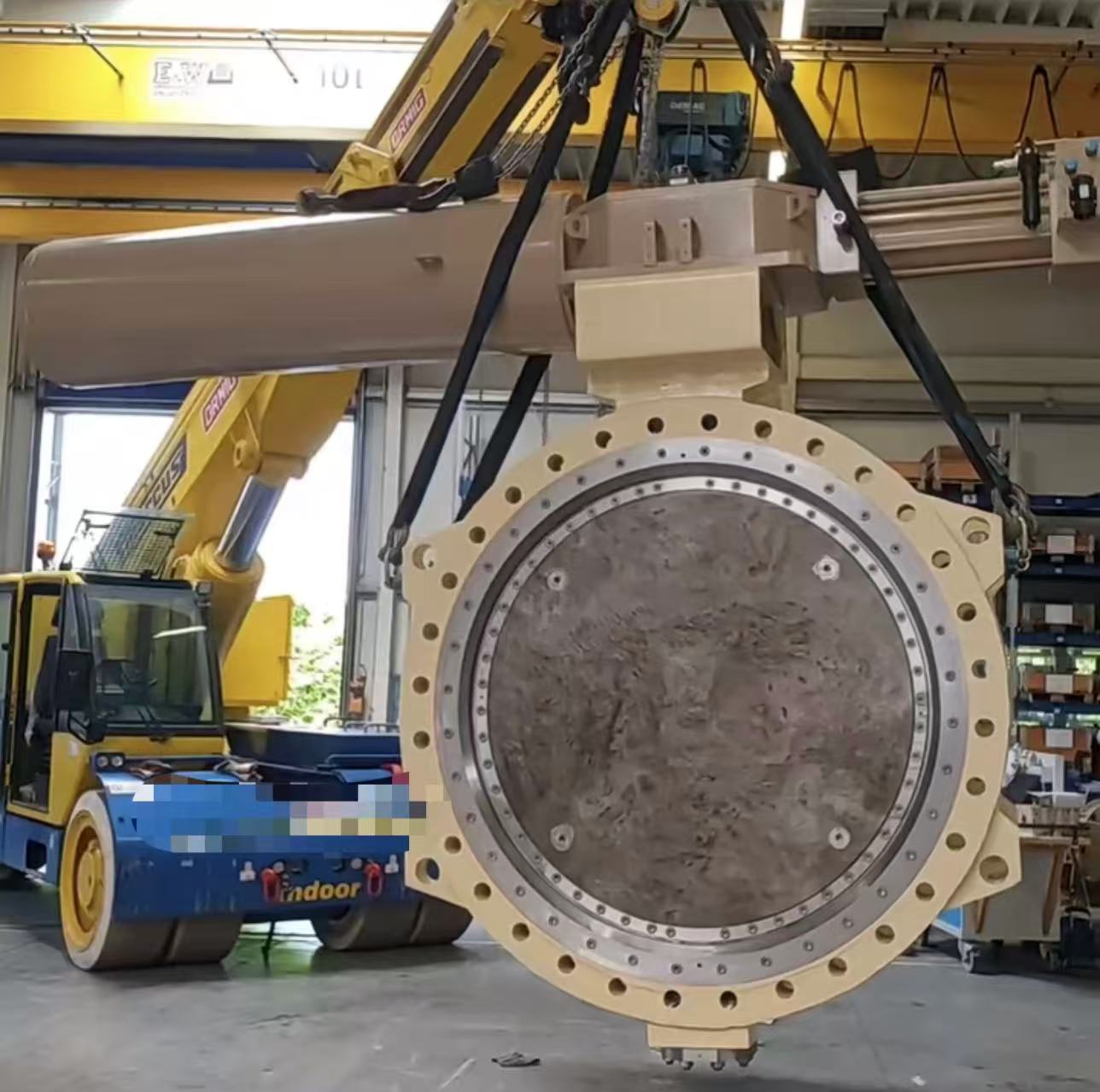
웨이퍼 버터플라이 밸브

홈페이지

웨이퍼 버터플라이 밸브

  • How Does a Butterfly Valve Open and Close? Full Operating Guide | GEKO Valve
    How Does a Butterfly Valve Open and Close? Full Operating Guide | GEKO Valve
    Oct 09, 2026
    How Does a Butterfly Valve Open and Close? Full Operating Guide Butterfly valves are the most widely used quarter-turn flow control devices in industrial and municipal piping systems. Many engineers and procurement specialists select industrial butterfly valves for their compact size and cost-saving advantages, yet few fully understand the complete mechanical process of how a butterfly valve opens and closes. Unlike linear-stroke gate valves and globe valves, butterfly valves rely on precise rotary motion to change pipeline flow status. This article clearly explains the opening and closing working process, mechanical logic of different valve designs, actuation modes, and sealing coordination principles. 1. Basic Open and Close Principle of Butterfly Valves The entire opening and closing action of a butterfly valve is completed through a 90-degree quarter-turn rotation. The core moving parts include the valve stem and internal butterfly disc. The stem receives torque from manual or automated actuators and drives the disc to rotate horizontally inside the pipeline bore, realizing full opening, full closing, and intermediate throttling states. Closing Process (90° → 0°): The disc gradually rotates perpendicular to the fluid flow direction, continuously narrowing the flow passage. When reaching 0 degrees, the disc completely presses against the valve seat, blocking the pipeline and achieving tight shutoff. Opening Process (0° → 90°): The disc rotates parallel to the fluid direction, gradually expanding the flow area. At 90 degrees, the disc is fully opened, minimizing flow resistance and allowing maximum fluid passage. This simple rotary operation is what makes wafer butterfly valves and lug butterfly valves so popular for large-bore piping. 2. Complete Mechanical Action Process   The opening and closing cycle follows a fixed mechanical transmission chain, ensuring accurate and stable operation: First, the operating device (lever, gearbox, pneumatic or electric actuator) outputs rotational torque. The torque is transmitted to the central valve stem through the driving shaft. The integrated stem and disc structure rotates synchronously without idle travel. During movement, the disc gradually separates from or compresses against the sealing seat. Finally, the mechanical limit device locks the angle to complete opening or closing positioning. 3. Different Opening & Closing Logic by Valve Structure Concentric and offset butterfly valves have obvious differences in opening and closing friction, which directly affects service life and operating stability: 3.1 Concentric Butterfly Valve Operation Concentric butterfly valves have overlapping centers of the stem, disc, and pipeline. During every opening and closing stroke, the disc keeps continuous contact and friction with the seat. The operation is simple and cost-effective, suitable for low-frequency switching of conventional water treatment and HVAC pipelines. 3.2 Triple Offset Butterfly Valve Zero-Friction Operation Triple offset butterfly valves adopt a three-dimensional offset structure. During the opening process, the disc instantly separates from the seat without friction. During closing, the disc only contacts the seat at the final locking position. This zero-friction opening and closing mechanism greatly reduces seat wear, making this style of heavy duty butterfly valves suitable for high-temperature, high-pressure, and frequent switching industrial pipelines. 4. Sealing Coordination During Opening and Closing Different sealing types match different opening and closing mechanical characteristics: 4.1 Soft Seated Butterfly Valve Soft seated butterfly valves with EPDM or NBR seats rely on elastic compression to achieve zero leakage when fully closed. During closing, the disc gently squeezes the elastic seat to fill tiny gaps. During opening, the elastic seat resets automatically. This flexible sealing opening and closing mode ensures bubble-tight shutoff for clean water and gas media. 4.2 Metal Seated Butterfly Valve Metal seated butterfly valves adopt precision metal-to-metal matching. The opening and closing process realizes rigid mechanical fitting and separation. With high wear resistance and temperature resistance, they maintain stable switching performance in harsh working conditions such as high-temperature steam and abrasive slurry. 5. Opening and Closing Modes of Automated Butterfly Valves Modern industrial pipelines use automated butterfly valves to realize intelligent opening and closing control: Pneumatic Butterfly Valve: Driven by compressed air, it completes fast opening and closing strokes in seconds. With explosion-proof advantages, it is widely used in chemical and petrochemical pipeline switching. Electric Butterfly Valve: Driven by electric actuators, it features stable speed, precise angle positioning, and remote signal control. It supports delayed opening/closing and intermediate positioning, suitable for intelligent pipeline systems. Manual Butterfly Valve: Operated by lever or gear handwheel, it realizes on-site manual opening and closing, economical and convenient for low-frequency operation scenarios. 6. Common Opening & Closing Faults and Causes Valve jamming: Caused by sediment deposition, seat aging, or insufficient actuator torque Incomplete closing and leakage: Disc offset, seat wear, or foreign matter blocking the sealing surface Slow opening and closing speed: Pneumatic air pressure insufficiency or electric actuator parameter deviation 7. GEKO Valve Precise Opening & Closing Performance All GEKO butterfly valves adopt optimized rotary motion structure, ensuring flexible, smooth, and accurate opening and closing actions. Our full product range including wafer, lug, soft seat, metal seat, and triple offset butterfly valves achieves zero-friction switching, stable sealing, and long service life. Automated modulating butterfly valves support arbitrary angle opening and closing, meeting isolation and throttling control requirements of modern industrial piping systems.
    더 읽어보기
  • How Do Butterfly Valves Work in Water Treatment Plants? | GEKO Valve
    How Do Butterfly Valves Work in Water Treatment Plants? | GEKO Valve
    Oct 09, 2026
    How Do Butterfly Valves Work in Water Treatment Plants? Water treatment facilities rely on stable, cost-effective flow control equipment to manage raw water intake, chemical dosing, filtration, disinfection and effluent discharge. Butterfly valves are widely preferred across all stages of water treatment thanks to their compact size, fast quarter-turn operation, light weight and competitive pricing. Compared with bulky gate valves, butterfly valves save installation space and reduce structural load for large-diameter pipelines commonly seen in water plants. This article explains how butterfly valves function in key water treatment processes and their practical operational advantages. Core Working Principle for Water Treatment Service A butterfly valve uses a circular disc mounted on a central shaft. When the valve rotates 90 degrees, the disc turns parallel or perpendicular to fluid flow. At the fully open position, water flows with minimal resistance; at the closed position, the disc presses against the seat to shut off flow. Between open and closed angles, partial rotation enables throttling for controlled water flow rates. Most water treatment butterfly valves use resilient rubber seats such as EPDM, delivering bubble-tight shutoff for clean and wastewater media.   Typical Applications Inside Water Treatment Plants 1. Raw Water Intake & Pump Station Butterfly valves are installed at intake lines and pump outlets to isolate pipelines during pump maintenance. They quickly cut off raw water from rivers, lakes or reservoirs, protecting downstream filtration units. Large wafer or lug type butterfly valves are commonly selected here due to easy installation between pipe flanges. 2. Coagulation, Flocculation and Sedimentation Tanks Within sedimentation basins, butterfly valves regulate flow between treatment chambers. Operators adjust the disc angle to balance water velocity, supporting stable floc formation and solid settling. Manual or gear-operated versions are widely used for frequent on-off and moderate throttling tasks. 3. Filtration Systems Sand filters and activated carbon filter banks use butterfly valves to switch between filtration and backwash cycles. The valves isolate individual filter units so one tank can undergo backwashing without shutting down the whole treatment line. EPDM seats resist wear from periodic flushing and particle-laden water. 4. Disinfection and Chemical Dosing Lines For chlorine, sodium hypochlorite or pH adjustment chemical pipelines, lined butterfly valves prevent corrosion from chemical additives. They provide reliable isolation for maintenance of dosing skids and mixing chambers. 5. Effluent Discharge and Wastewater Outlet Before treated water is released, butterfly valves control discharge flow and act as emergency shutoff devices. Lug style butterfly valves are often chosen for end-of-line service, allowing blind flange isolation when required. Key Selection Considerations for Water Treatment Butterfly Valves Seat material: EPDM is standard for clean water; choose stronger wear-resistant seats for wastewater with suspended solids Body material: Ductile iron is the mainstream cost-effective option for water projects Actuation: Manual gearbox for occasional operation; pneumatic or electric actuators for automated plant SCADA control Pressure rating: Match pipeline working pressure and surge pressure from pump startup and shutdown Valve type: Wafer butterfly valves for compact installation; lug butterfly valves for dead-end service Advantages of Butterfly Valves in Water Plants Their lightweight design lowers pipeline support costs, while fast quarter-turn operation speeds up emergency shutdown. They are easy to automate for modern smart water plants, and require less maintenance than many alternative valves. The main limitation is that standard resilient seated butterfly valves are not suitable for high-pressure steam or highly abrasive heavy slurry, which needs other valve solutions. Summary From raw water intake through filtration, chemical treatment to final discharge, butterfly valves serve as versatile flow isolation and throttling components across the full water treatment workflow. Properly sized butterfly valves with suitable seat and body materials help water plants maintain stable operation, reduce downtime and cut overall project and maintenance costs.
    더 읽어보기
  • What Is a Butterfly Valve and What Are Its Key Components? | GEKO Valve
    What Is a Butterfly Valve and What Are Its Key Components? | GEKO Valve
    Sep 29, 2026
      What Is a Butterfly Valve and What Are Its Key Components? A butterfly valve is a popular quarter-turn flow control device widely used in municipal and industrial piping systems to regulate, throttle, or completely shut off fluid flow. Its slim, lightweight design makes it far more space-saving than ball valves or gate valves, especially for large-diameter pipelines. Many new buyers and plant engineers want to understand exactly what a butterfly valve is and how each internal part works together to deliver reliable performance. This article breaks down the definition, core function, and all key components of a butterfly valve.   Definition and Core Function of a Butterfly Valve At its simplest, a butterfly valve controls fluid by rotating a circular disc inside the pipeline. A 90-degree rotation switches the valve between fully open and fully closed positions. It can also stay at intermediate angles for throttling flow. Wafer butterfly valves and lug butterfly valves are the two most common body styles, while offset designs like triple offset butterfly valves handle demanding high-temperature and high-pressure applications. Butterfly valves work with water, air, gas, and many chemical media across water treatment, HVAC, power, and chemical processing industries. Key Components of a Butterfly Valve 1. Valve Body The valve body forms the main pressure-containing shell and connects to the pipeline. Wafer-style bodies fit between two pipe flanges without bolt lugs. Lug bodies have threaded lugs built into the valve to hold flanges securely. Heavy-duty metal seated butterfly valves use cast iron, ductile iron, stainless steel, or alloy steel bodies to withstand harsh working environments. 2. Butterfly Disc The disc is the circular plate inside the body that blocks or allows fluid passage. It rotates with the valve stem. The disc shape directly impacts flow resistance. Concentric valves use a flat disc; double offset and triple offset valves use contoured discs to reduce seat friction during rotation. For corrosive media, discs are coated or made from stainless steel to extend service life. 3. Valve Stem The stem is a shaft that passes through the valve body and attaches firmly to the disc. It transfers torque from the actuator or handwheel to rotate the disc. Most stems are made of high-strength stainless steel to resist torsion and corrosion. Many designs use a one-piece stem and disc connection to eliminate play and improve control precision. 4. Seat / Sealing Ring The seat creates the sealing contact surface between the disc and valve body. Soft seated butterfly valves use elastomer seats such as EPDM or PTFE to achieve bubble-tight shutoff for clean media. Metal seated versions use metal-to-metal sealing surfaces, suited for high temperature, abrasive, or steam media where rubber seats cannot survive.   5. Stem Seals & Gaskets Stem seals prevent fluid leakage along the stem where it exits the valve body. Packing rings or O-rings form the primary barrier. They are critical to prevent fugitive emissions, especially for chemical and oil & gas applications. 6. Actuator / Operating Unit The actuator supplies torque to turn the stem and disc. Manual versions use a handwheel or lever. Pneumatic butterfly valves use compressed air for fast on/off or modulating control. Electric butterfly valves allow remote automated operation and precise flow adjustment. Positioners can be fitted to modulating actuators to maintain exact disc angles. How These Components Work Together When the actuator turns the valve stem, the disc rotates inside the body. In closed position, the disc presses against the seat to block fluid. When opened, the disc turns parallel to flow so media can pass through. All parts must be properly matched to the working pressure, temperature, and medium. A mismatch in seat or disc material will quickly cause leakage and premature failure. GEKO Valve Butterfly Valve Range GEKO Valve supplies complete butterfly valve assemblies with high-quality components. Our range includes soft seated and metal seated, concentric, double offset and triple offset butterfly valves, available in wafer, lug, flanged designs with manual, pneumatic or electric actuators for industrial and municipal projects worldwide. 9 Core SEO Keywords: Wafer Butterfly Valve, Lug Butterfly Valve, Triple Offset Butterfly Valve, Soft Seated Butterfly Valve, Metal Seated Butterfly Valve, Pneumatic Butterfly Valve, Electric Butterfly Valve, Automated Butterfly Valve, Heavy Duty Butterfly Valve
    더 읽어보기
  • How Does a Butterfly Valve Control Fluid Flow? Complete Working Guide | GEKO Valve
    How Does a Butterfly Valve Control Fluid Flow? Complete Working Guide | GEKO Valve
    Sep 29, 2026
      How Does a Butterfly Valve Control Fluid Flow? Complete Working Guide Butterfly valves are widely recognized as the most cost-effective and space-efficient fluid control devices for municipal and industrial pipelines. Unlike ball valves that provide full straight-line flow or gate valves designed only for full open or full closed isolation, industrial butterfly valves feature unique rotary disc mechanics that enable flexible fluid management. Many system designers and plant operators wonder: how does a butterfly valve control fluid flow accurately and stably? This guide explains the full flow control mechanism, different working states of butterfly valves, structural differences between product types, and practical flow control performance in modern piping systems. 1. Basic Fluid Control Principle of Butterfly Valves The core fluid control method of a butterfly valve relies on a90-degree quarter-turn rotary disc. Installed vertically in the pipeline center, the butterfly disc rotates along the valve stem to change the effective flow area inside the pipe. By adjusting the disc angle, the valve precisely changes flow resistance, fluid velocity, and pipeline pressure, thereby realizing three core flow control functions: full flow passage, partial throttling, and complete fluid shutoff. This simple and reliable rotary flow control method is the key reason why wafer butterfly valves, lug butterfly valves, and offset butterfly valves are widely used in large-diameter water, gas, and low-viscosity process fluid pipelines. 2. Three Core Flow Control States 2.1 Full Flow Open State When the disc rotates 90 degrees and is parallel to the fluid direction, the pipeline reaches maximum flow capacity. Although the disc remains inside the pipeline, the streamlined disc structure minimizes flow resistance. In this state, the industrial butterfly valve allows unrestricted fluid transmission, suitable for long-term circulating pipeline operation and maximum flow supply scenarios. 2.2 Precise Throttling and Flow Regulation State The biggest advantage of butterfly valves in fluid control is their excellent throttling performance. When the disc stays at any angle between 20% and 70% opening, it forms an adjustable shielding area inside the pipeline. The larger the shielding area, the higher the flow resistance and the lower the fluid flow rate. Modulating butterfly valves with electric or pneumatic actuators can maintain stable opening angles, realizing continuous and accurate flow balancing, pressure adjustment, and fluid distribution control for industrial systems.   2.3 Full Closed Fluid Shutoff State When the disc rotates to 0 degrees and is completely perpendicular to the fluid flow, the disc closely fits the valve seat to block the entire flow passage. Soft seated butterfly valves use elastic seat deformation to achieve bubble-tight zero leakage for clean media, while metal seated butterfly valves rely on precision metal fitting to block high-temperature, high-pressure and abrasive fluids, achieving reliable pipeline isolation and fluid cut-off. 3. How Different Butterfly Valve Types Optimize Flow Control Different butterfly valve structures deliver completely different fluid control effects, adapting to diverse industrial working conditions: 3.1 Concentric Butterfly Valves for General Flow Control Concentric butterfly valves feature coincident stem, disc and pipeline centers, providing stable basic flow regulation and isolation. They are ideal for conventional water treatment, HVAC, and fire protection pipelines with normal temperature and low pressure, offering economical and practical fluid control performance. 3.2 Double and Triple Offset Butterfly Valves for Heavy-Duty Flow Control Triple offset butterfly valves and double offset butterfly valves adopt a unique offset structure. The disc avoids friction with the seat during rotation, ensuring smooth and stable angle adjustment even under high pressure and high temperature. These heavy duty butterfly valves provide precise flow control for steam, flue gas, corrosive chemical media, and high-cycle industrial process pipelines. 3.3 Wafer vs Lug Type Flow Control Features Wafer butterfly valves feature ultra-thin bodies with low flow resistance, suitable for compact pipeline systems requiring stable large-flow control. Lug butterfly valves support unilateral pipeline disassembly while maintaining system flow control safety, facilitating segmented pipeline maintenance without affecting the overall fluid system. 4. How Actuators Support Accurate Fluid Control Stable fluid control cannot be achieved by the valve body alone; the actuator determines control accuracy and automation level: Manual Butterfly Valves: Realize simple on-site flow adjustment and pipeline isolation, suitable for low-frequency control scenarios. Pneumatic Butterfly Valves: Equipped with positioners to correct angle deviation, maintaining stable flow rate under fluctuating pipeline pressure, ideal for explosion-proof industrial fluid systems. Electric Automated Butterfly Valves: Support remote signal adjustment and proportional flow control, matching intelligent industrial systems to realize automatic fluid management and precise flow distribution. 5. Key Advantages of Butterfly Valve Fluid Control Achieve dual functions of fluid isolation and flow throttling with a single valve device Suitable for large-diameter pipeline flow control with low cost and small installation space Smooth rotary operation ensures stable fluid adjustment without pipeline surge Multiple product types adapt to clean, corrosive, high-temperature and abrasive fluid media Support manual and automatic intelligent fluid control for modern industrial systems 6. GEKO Valve Reliable Fluid Control Butterfly Valve Solutions GEKO Valve provides a full range of high-performance butterfly valves for precise industrial fluid control. Our product lineup includes soft seated and metal seated butterfly valves, concentric and triple offset butterfly valves, wafer and lug type butterfly valves, as well as manual, pneumatic and electric automated butterfly valves. All products deliver stable flow regulation, reliable shutoff performance and long service life, providing accurate and efficient fluid control solutions for water treatment, HVAC, chemical, power, and municipal engineering systems. 9 Core SEO Keywords: Industrial Butterfly Valve, Triple Offset Butterfly Valve, Soft Seated Butterfly Valve, Metal Seated Butterfly Valve, Wafer Butterfly Valve, Lug Butterfly Valve, Modulating Butterfly Valve, Heavy Duty Butterfly Valve, Automated Butterfly Valve
    더 읽어보기
  • 버터플라이 밸브의 작동 원리는 무엇일까요? | GEKO 밸브
    버터플라이 밸브의 작동 원리는 무엇일까요? | GEKO 밸브
    Sep 21, 2026
     버터플라이 밸브의 작동 원리는 무엇일까요?버터플라이 밸브는 현대 산업 및 도시 배관 시스템에서 사용되는 가장 다재다능한 쿼터턴 제어 밸브 중 하나입니다. 대부분의 엔지니어는 버터플라이 밸브의 빠른 전환 속도와 컴팩트한 구조에 익숙합니다. 산업용 버터플라이 밸브많은 사람들이 다양한 버터플라이 밸브 제품의 안정적인 유체 차단, 내압성 및 정밀한 유량 조절을 가능하게 하는 완전한 기계적 작동 메커니즘을 완전히 이해하지 못하고 있습니다. 구형 볼 밀봉에 의존하는 볼 밸브나 수직 스트로크 운동을 하는 게이트 밸브와 달리, 버터플라이 밸브는 독특한 회전 디스크 기계 구조를 채택합니다. 이 글에서는 토크 전달, 디스크 운동 논리, 소프트 시트 및 메탈 시트 버터플라이 밸브의 밀봉 메커니즘, 오프셋 작동 원리, 자동 버터플라이 밸브의 액추에이터 연동을 포함하여 버터플라이 밸브의 전체 기계적 작동 메커니즘을 심층적으로 분석합니다.1. 전체 기계 작동 메커니즘 개요버터플라이 밸브의 전체 작동 메커니즘은 다음을 기반으로 합니다. 회전 기계식 변속기 및 유체 역학적 매칭액추에이터는 회전 토크를 출력하고, 이 토크는 밸브 스템을 통해 전달되어 내부 버터플라이 디스크를 90도 1/4회전시킵니다. 파이프라인 내부에서 디스크의 각도를 변경함으로써 밸브는 유동 단면적을 변화시켜 유체 차단, 전체 유동 통행, 중간 유량 조절이라는 세 가지 핵심 기계적 기능을 구현합니다. 전체 기계 구조는 다행정 산업용 밸브에 비해 전달 부품 수가 적고 동작 논리가 단순하며 응답 속도가 빠릅니다.2. 핵심 기계식 변속 메커니즘 토크 전달은 버터플라이 밸브 작동의 핵심 동력원입니다. 완전한 기계식 동력 전달 시스템은 액추에이터, 밸브 스템, 샤프트 핀 및 버터플라이 디스크로 구성되어 정확한 동력 변환 및 동작 출력을 구현합니다.액추에이터는 개폐 신호를 수신하면 회전 토크를 발생시켜 수직 밸브 스템으로 전달합니다. 밸브 스템은 정밀 샤프트 핀을 통해 버터플라이 디스크에 고정되어 불필요한 회전을 방지하고 동기식 각도 움직임을 보장합니다. 스템 샤프트는 고정밀 샤프트 슬리브와 밀봉 패킹을 사용하여 마찰 저항을 줄이고 걸림 없이 유연하고 안정적인 회전을 보장합니다. 이러한 기계식 동력 전달 메커니즘은 전기, 공압 또는 수동 동력을 기계적 회전으로 변환하여 밸브의 개폐 동작을 효율적으로 수행합니다.3. 디스크 유량 제어 기계적 메커니즘버터플라이 디스크는 유체 제어의 핵심 구성 요소이며, 그 각도 변위는 파이프라인의 유동 상태를 직접적으로 결정합니다. 개방 각도가 다르면 기계적 유동 제어 상태도 완전히 달라집니다.0도 폐쇄 위치에서 디스크는 유체 흐름 방향에 완전히 수직이 되어 유체에 대한 완벽한 차단벽을 형성합니다. 유체 압력의 작용으로 디스크는 밸브 시트에 단단히 밀착되어 기계적 압축 밀봉을 구현합니다. 90도 완전 개방 위치에서 디스크는 유체 흐름 방향과 평행이 되어 유동 저항을 최소화하고 유체 흐름을 최대화합니다. 0도에서 90도 사이의 모든 각도에서 디스크는 파이프라인 내경과 겹치는 형태의 유량 조절 구조를 형성하여 기계적 폐쇄를 통해 유속과 압력을 변화시켜 연속적인 유량 조절을 실현합니다.4. 기계적 밀봉 메커니즘 (소프트 씰 및 하드 씰)버터플라이 밸브의 안정적인 차단 성능은 서로 다른 산업 작업 조건에 적용 가능한 두 가지 기계적 밀봉 메커니즘에서 비롯됩니다. 4.1 탄성 압축 밀봉 메커니즘(소프트 시트)소프트 시트 버터플라이 밸브 EPDM 및 Viton과 같은 탄성 폴리머 시트를 사용합니다. 닫힘 동작 동안 디스크가 탄성 시트를 기계적으로 압착하여 미세한 탄성 변형을 일으킵니다. 변형된 시트는 디스크 가장자리와 밸브 본체 사이의 미세한 기계적 틈을 메워 누출 없는 밀봉을 구현합니다. 이러한 탄성 보상 기계적 메커니즘은 미세한 가공 공차 및 파이프라인 압력 변화에 적응하여 상온 및 저압 조건에서 소프트 시트 버터플라이 밸브의 완벽한 차단을 보장합니다.4.2 정밀 기계식 래핑 밀봉 메커니즘(금속 시트)금속 시트 버터플라이 밸브 견고한 금속 대 금속 밀봉 메커니즘을 채택했습니다. 정밀 가공 및 미러 래핑을 거쳐 디스크와 시트가 고정밀 밀착 밀봉 쌍을 형성합니다. 기계적 강성 접촉과 중압력에 의한 자체 조임력을 바탕으로 고온, 고압, 마모성 작동 조건에서도 안정적인 밀봉을 구현합니다. 이러한 기계적 밀봉 구조는 노화로 인한 변형 문제가 없으며, 고하중 버터플라이 밸브의 장기간 고주기 산업 운전을 지원합니다.5. 오프셋 버터플라이 밸브 무마찰 기계식 메커니즘동심형 및 오프셋형 버터플라이 밸브는 기계적 작동 방식에 근본적인 차이가 있으며, 이는 수명과 내압 성능을 결정합니다.동심형 버터플라이 밸브는 스템, 디스크 및 파이프라인의 중심이 완전히 일치하는 것이 특징입니다. 디스크는 밸브의 개폐 주기 동안 시트와 지속적인 기계적 마찰을 일으켜 시트 마모가 쉽게 발생합니다. 이와 대조적으로, 여행르 오프셋 버터플라이 밸브 이중 오프셋 버터플라이 밸브는 공간 오프셋 기계 구조를 채택합니다. 초기 회전 단계에서 디스크는 마찰 없이 자동으로 밀봉 시트에서 분리됩니다. 최종 닫힘 각도에서만 디스크가 시트에 접촉하여 위치를 고정하고 밀봉합니다. 이러한 무마찰 기계 작동 메커니즘은 부품 마모를 크게 줄이고 밸브 내구성을 향상시키며 오프셋 버터플라이 밸브 제품의 고부하 및 빈번한 스위칭 작동 조건에 적합합니다.6. 액추에이터의 자동 조정 메커니즘다양한 액추에이터는 최신 지능형 파이프라인 시스템에 맞는 다양한 자동 작동 메커니즘을 구성합니다.공압식 버터플라이 밸브 메커니즘압축 공기 압력 에너지를 기계적 회전 토크로 변환하며, 빠른 작동 속도와 방폭형 기계적 성능을 갖추고 있어 위험한 산업 환경에 적합합니다.전기 버터플라이 밸브 메커니즘모터 구동 및 감속기 토크 증폭을 사용하여 정밀한 각도 위치 지정을 구현하며, 원격 신호 제어 및 비례 제어를 지원합니다.수동 버터플라이 밸브 메커니즘수동 기계식 토크 입력에 의존하며, 간단한 전달 구조로 저주파 작동에 안정적이고 신뢰할 수 있습니다.7. 버터플라이 밸브 기계식 메커니즘의 산업적 이점독특한 기계적 작동 구조는 다음과 같은 특징을 부여합니다. 산업 버터플라이 밸브 대체 불가능한 산업적 이점: 웨이퍼형 및 러그형 버터플라이 밸브는 컴팩트한 기계적 구조로 설치 공간을 절약하고, 간단한 구동 구조로 고장률을 낮추며, 무마찰 오프셋 메커니즘으로 트리플 오프셋 버터플라이 밸브의 수명을 연장하고, 유연한 각도 조절 기능으로 모듈레이팅 버터플라이 밸브의 차단 및 유량 조절 이중 기능을 구현합니다. 이러한 기계적 특성 덕분에 다양한 유형의 버터플라이 밸브는 대구경 산업 및 도시 유체 제어 시스템에 가장 적합한 솔루션입니다.8. GEKO 밸브의 고정밀 기계 설계GEKO Valve는 모든 산업용 버터플라이 밸브의 내부 기계 작동 메커니즘을 최적화합니다. 정밀 주조, CNC 가공 및 미러 래핑 기술을 적용한 당사의 웨이퍼 버터플라이 밸브, 러그 버터플라이 밸브, 금속 시트 및 연질 시트 버터플라이 밸브는 균일한 토크 전달, 유연한 회전, 정밀한 디스크 위치 지정 및 안정적인 밀봉 성능을 제공합니다. 동심형, 이중 오프셋형 및 삼중 오프셋형 버터플라이 밸브를 포함한 완벽한 제품 시리즈는 다양한 저압, 중압 및 고압 산업용 배관의 기계적 작동 요구 사항을 완벽하게 충족합니다.9가지 핵심 SEO 키워드산업용 버터플라이 밸브, 트리플 오프셋 버터플라이 밸브, 소프트 시트 버터플라이 밸브, 메탈 시트 버터플라이 밸브, 웨이퍼 버터플라이 밸브, 러그 버터플라이 밸브, 모듈레이팅 버터플라이 밸브, 고하중 버터플라이 밸브, 자동 버터플라이 밸브
    더 읽어보기
  • 버터플라이 밸브란 무엇이며 어떻게 작동하는가? 완벽 가이드 | GEKO 밸브
    버터플라이 밸브란 무엇이며 어떻게 작동하는가? 완벽 가이드 | GEKO 밸브
    Sep 20, 2026
     버터플라이 밸브는 상업 및 산업 배관 시스템에 널리 사용되는 고효율 쿼터턴 유량 제어 장치입니다. 초소형 구조, 경량 설계, 빠른 작동 속도 및 비용 절감 효과로 잘 알려진 버터플라이 밸브는 구조 배치 및 작동 원리 면에서 볼 밸브, 게이트 밸브, 글로브 밸브와 크게 다릅니다. 대구경 파이프라인의 유량 차단, 조절 및 제어에 가장 적합한 밸브 유형입니다. 본 가이드는 엔지니어와 구매자가 다양한 프로젝트에서 버터플라이 밸브를 정확하게 적용할 수 있도록 버터플라이 밸브의 정의, 내부 구조, 작동 원리, 코어 유형 및 산업적 특성을 자세히 설명합니다.1. 버터플라이 밸브란 무엇인가요?버터플라이 밸브는 디스크 모양의 폐쇄 부재를 사용하여 유체 흐름을 제어하는 ​​회전식 밸브입니다. 주요 구성 요소로는 밸브 본체, 중앙 밸브 스템, 버터플라이 디스크 및 밀봉 시트가 있습니다. 기존 산업용 밸브와 비교하여 버터플라이 밸브는 밸브 면간 거리가 짧고 무게가 가벼우며 설치 공간이 적게 필요하므로 볼 밸브나 게이트 밸브가 부피가 크고 가격이 비싼 대구경 파이프라인 시스템에 이상적입니다.산업용 버터플라이 밸브는 액체, 기체 및 저점도 유체 매체용으로 설계되었으며, 수처리, 냉난방 공조(HVAC), 소방, 화학, 발전 및 도시 공학 시스템에 널리 적용됩니다. 완전 개방, 완전 폐쇄 및 부분 유량 조절이 가능하며, 차단 및 유량 조절 기능을 모두 제공합니다. 2. 버터플라이 밸브의 핵심 구조버터플라이 밸브의 안정적인 작동은 정밀하게 구성된 구조 시스템에 달려 있습니다. 주요 구성 요소와 그 기능은 다음과 같습니다.밸브 바디주 압력 지지 외함은 주철, 연성 주철, 탄소강 및 스테인리스강 재질로 제공되며, 전체 파이프라인의 압력 하중을 지지합니다.밸브 스템액추에이터와 버터플라이 디스크를 연결하는 전달축으로, 디스크를 회전시키기 위한 회전 토크를 전달합니다.나비 디스크핵심 유량 제어 부품은 90도 회전하여 유체 통로를 차단하거나 열 수 있으며, 유선형 디스크 디자인으로 유체 저항을 효과적으로 줄입니다.밀봉 시트밸브 본체 내벽에 설치되며, 고무 연질 씰과 금속 경질 씰 유형이 있으며, 파이프라인의 완벽한 차단을 담당합니다.작동 장치밸브 전환 및 조정을 제어하는 ​​데 사용되는 수동 레버, 기어, 공압 및 전기 액추에이터를 포함합니다.3. 버터플라이 밸브는 어떻게 작동합니까? (작동 원리)버터플라이 밸브의 작동 원리는 다음과 같습니다. 90도 1/4회전 회전 운동간단하고 효율적인 동작 논리를 갖추고 있습니다.밸브가 개방 신호를 받으면 액추에이터가 밸브 스템과 버터플라이 디스크를 수평 방향으로 90도 회전시킵니다. 이때 디스크는 유체 흐름 방향과 평행이 되어 파이프라인은 유체 저항이 최소화된 완전 개방 통로를 형성합니다.밸브를 닫을 때 디스크는 다시 90도 회전하여 유체 흐름 방향에 수직이 됩니다. 디스크 표면이 밀봉 시트에 밀착되어 유체 통로를 완전히 차단함으로써 파이프라인 격리 및 완벽한 차단을 실현합니다.버터플라이 디스크는 완전히 열리고 닫히는 것 외에도 0°에서 90° 사이의 모든 중간 각도를 유지할 수 있어 정밀한 유량 조절 및 압력 조절이 가능하므로 유량 제어 성능 면에서 게이트 밸브보다 우수합니다.4. 구조 및 밀봉 방식에 따른 주요 버터플라이 밸브 유형밀봉 형태와 구조 설계에 따라 산업용 버터플라이 밸브는 서로 다른 작동 조건에 맞춰 크게 두 가지 주요 범주로 나뉩니다.4.1 소프트 시트 버터플라이 밸브소프트 시트 버터플라이 밸브는 EPDM, NBR, Viton과 같은 탄성 고무 재질을 밀봉 부품으로 사용합니다. 이 밸브는 고무의 탄성 변형을 이용하여 기포가 전혀 새지 않는 완벽한 밀폐를 구현합니다. 저렴한 가격과 우수한 밀봉 성능을 갖춘 이 밸브는 상온의 물, 공기 및 일반적인 비부식성 유체에 적합하며, 상수도, 냉난방 시스템, 소방 시스템 등 다양한 분야에서 널리 사용됩니다.4.2 금속 시트 버터플라이 밸브금속 시트 버터플라이 밸브는 디스크와 시트 표면에 합금 경화 처리를 한 금속 대 금속 경질 밀봉 구조를 채택합니다. 고온, 고압 및 내마모성이 뛰어나 고온 증기, 연도 가스 및 부식성 산업 유체에 적합합니다. 가혹한 산업 환경에 주로 사용되는 밸브입니다.4.3 웨이퍼형 vs 러그형 버터플라이 밸브웨이퍼 버터플라이 밸브두 개의 파이프 플랜지 사이에 고정되는 초박형 본체로 공간을 절약하며, 협소한 설치 환경에 적합합니다.러그 버터플라이 밸브양쪽에 나사산 돌기가 있어 볼트로 고정 설치할 수 있으며, 한쪽 끝만 배관 유지보수 및 분해가 가능하여 산업용 배관 정비에 편리합니다.5. 수동식 버터플라이 밸브 작동과 자동식 버터플라이 밸브 작동 비교버터플라이 밸브는 다양한 작동 빈도와 자동화 요구 사항을 충족하기 위해 다양한 구동 모드를 지원합니다.수동 버터플라이 밸브레버 또는 기어 작동 장치를 갖추고 있어 현장에서 빈번하지 않은 수동 조작에 적합하며 경제적이고 유지 보수가 용이합니다.공압 버터플라이 밸브공기압 구동 방식으로 빠른 전환 속도를 제공하며, 탁월한 방폭 성능을 갖추고 있어 위험한 산업 환경에 적합합니다.전기 버터플라이 밸브전기 액추에이터로 구동되며 원격 제어, 신호 피드백 및 비례 제어를 지원하여 지능형 파이프라인 제어 시스템과 호환됩니다.6. 버터플라이 밸브의 주요 장점초소형 및 초경량 설계로 설치 공간과 엔지니어링 비용을 절감할 수 있습니다.빠른 90도 쿼터턴 작동으로 파이프라인 응답 효율 향상대구경 파이프라인 시스템에 적합하며 전체 비용이 저렴합니다.격리 및 유량 조절의 이중 기능구조가 간단하고, 마모되는 부품이 적으며, 유지 보수 비용이 저렴합니다.7. 버터플라이 밸브의 산업적 응용버터플라이 밸브는 도시 상수도 처리, HVAC 냉동 시스템, 소방 배관 시스템, 화학 유체 이송, 발전소 순환수 시스템, 환경 보호 배기가스 및 연도 가스 처리 프로젝트를 포함한 저압에서 중압, 대용량 배관 환경에 널리 사용됩니다.8. GEKO 밸브의 고품질 버터플라이 밸브 솔루션GEKO Valve는 웨이퍼형 및 러그형, 소프트 시트형 및 메탈 시트형을 비롯하여 수동식, 공압식, 전동식 등 다양한 산업용 버터플라이 밸브를 제공합니다. 당사 제품은 정밀 주조 및 유선형 디스크 설계를 채택하여 안정적인 밀봉 성능, 유연한 작동, 그리고 뛰어난 작업 환경 적응성을 자랑합니다. 모든 밸브는 국제 산업 표준을 준수하며, 전 세계 도시 및 산업 파이프라인 프로젝트에 신뢰할 수 있는 대구경 유체 제어 솔루션을 제공합니다.9가지 핵심 SEO 키워드웨이퍼 버터플라이 밸브, 러그 버터플라이 밸브, 소프트 시트 버터플라이 밸브, 메탈 시트 버터플라이 밸브, 공압 버터플라이 밸브, 전동 버터플라이 밸브, 대구경 버터플라이 밸브, 산업용 버터플라이 밸브, 쿼터턴 버터플라이 밸브
    더 읽어보기
  • 버터플라이 밸브란 무엇이며 어떻게 작동하는가? 완벽 가이드 | GEKO 밸브
    버터플라이 밸브란 무엇이며 어떻게 작동하는가? 완벽 가이드 | GEKO 밸브
    Sep 17, 2026
     버터플라이 밸브란 무엇이며 어떻게 작동하는가? 완벽 가이드버터플라이 밸브는 상업 및 산업 배관 시스템에 널리 사용되는 고효율 쿼터턴 유량 제어 장치입니다. 초소형 구조, 경량 설계, 빠른 작동 속도 및 비용 절감 효과로 잘 알려진 버터플라이 밸브는 구조 배치 및 작동 원리 면에서 볼 밸브, 게이트 밸브, 글로브 밸브와 크게 다릅니다. 대구경 파이프라인의 유량 차단, 조절 및 제어에 가장 적합한 밸브 유형입니다. 본 가이드는 엔지니어와 구매자가 다양한 프로젝트에서 버터플라이 밸브를 정확하게 적용할 수 있도록 버터플라이 밸브의 정의, 내부 구조, 작동 원리, 코어 유형 및 산업적 특성을 자세히 설명합니다.1. 버터플라이 밸브란 무엇인가요?버터플라이 밸브는 디스크 모양의 폐쇄 부재를 사용하여 유체 흐름을 제어하는 ​​회전식 밸브입니다. 주요 구성 요소로는 밸브 본체, 중앙 밸브 스템, 버터플라이 디스크 및 밀봉 시트가 있습니다. 기존 산업용 밸브와 비교하여 버터플라이 밸브는 밸브 면간 거리가 짧고 무게가 가벼우며 설치 공간이 적게 필요하므로 볼 밸브나 게이트 밸브가 부피가 크고 가격이 비싼 대구경 파이프라인 시스템에 이상적입니다.산업용 버터플라이 밸브는 액체, 기체 및 저점도 유체 매체용으로 설계되었으며, 수처리, 냉난방 공조(HVAC), 소방, 화학, 발전 및 도시 공학 시스템에 널리 적용됩니다. 완전 개방, 완전 폐쇄 및 부분 유량 조절이 가능하며, 차단 및 유량 조절 기능을 모두 제공합니다. 2. 버터플라이 밸브의 핵심 구조버터플라이 밸브의 안정적인 작동은 정밀하게 구성된 구조 시스템에 달려 있습니다. 주요 구성 요소와 그 기능은 다음과 같습니다.밸브 바디주 압력 지지 외함은 주철, 연성 주철, 탄소강 및 스테인리스강 재질로 제공되며, 전체 파이프라인의 압력 하중을 지지합니다.밸브 스템액추에이터와 버터플라이 디스크를 연결하는 전달축으로, 디스크를 회전시키기 위한 회전 토크를 전달합니다.나비 디스크핵심 유량 제어 부품은 90도 회전하여 유체 통로를 차단하거나 열 수 있으며, 유선형 디스크 디자인으로 유체 저항을 효과적으로 줄입니다.밀봉 시트밸브 본체 내벽에 설치되며, 고무 연질 씰과 금속 경질 씰 유형이 있으며, 파이프라인의 완벽한 차단을 담당합니다.작동 장치밸브 전환 및 조정을 제어하는 ​​데 사용되는 수동 레버, 기어, 공압 및 전기 액추에이터를 포함합니다.3. 버터플라이 밸브는 어떻게 작동합니까? (작동 원리)버터플라이 밸브의 작동 원리는 다음과 같습니다. 90도 1/4회전 회전 운동간단하고 효율적인 동작 논리를 갖추고 있습니다.밸브가 개방 신호를 받으면 액추에이터가 밸브 스템과 버터플라이 디스크를 수평 방향으로 90도 회전시킵니다. 이때 디스크는 유체 흐름 방향과 평행이 되어 파이프라인은 유체 저항이 최소화된 완전 개방 통로를 형성합니다.밸브를 닫을 때 디스크는 다시 90도 회전하여 유체 흐름 방향에 수직이 됩니다. 디스크 표면이 밀봉 시트에 밀착되어 유체 통로를 완전히 차단함으로써 파이프라인 격리 및 완벽한 차단을 실현합니다.버터플라이 디스크는 완전히 열리고 닫히는 것 외에도 0°에서 90° 사이의 모든 중간 각도를 유지할 수 있어 정밀한 유량 조절 및 압력 조절이 가능하므로 유량 제어 성능 면에서 게이트 밸브보다 우수합니다.4. 구조 및 밀봉 방식에 따른 주요 버터플라이 밸브 유형밀봉 형태와 구조 설계에 따라 산업용 버터플라이 밸브는 서로 다른 작동 조건에 맞춰 크게 두 가지 주요 범주로 나뉩니다.4.1 소프트 시트 버터플라이 밸브소프트 시트 버터플라이 밸브는 EPDM, NBR, Viton과 같은 탄성 고무 재질을 밀봉 부품으로 사용합니다. 이 밸브는 고무의 탄성 변형을 이용하여 기포가 전혀 새지 않는 완벽한 밀폐를 구현합니다. 저렴한 가격과 우수한 밀봉 성능을 갖춘 이 밸브는 상온의 물, 공기 및 일반적인 비부식성 유체에 적합하며, 상수도, 냉난방 시스템, 소방 시스템 등 다양한 분야에서 널리 사용됩니다.4.2 금속 시트 버터플라이 밸브금속 시트 버터플라이 밸브는 디스크와 시트 표면에 합금 경화 처리를 한 금속 대 금속 경질 밀봉 구조를 채택합니다. 고온, 고압 및 내마모성이 뛰어나 고온 증기, 연도 가스 및 부식성 산업 유체에 적합합니다. 가혹한 산업 환경에 주로 사용되는 밸브입니다.4.3 웨이퍼형 vs 러그형 버터플라이 밸브웨이퍼 버터플라이 밸브두 개의 파이프 플랜지 사이에 고정되는 초박형 본체로 공간을 절약하며, 협소한 설치 환경에 적합합니다.러그 버터플라이 밸브양쪽에 나사산 돌기가 있어 볼트로 고정 설치할 수 있으며, 한쪽 끝만 배관 유지보수 및 분해가 가능하여 산업용 배관 정비에 편리합니다.5. 수동식 버터플라이 밸브 작동과 자동식 버터플라이 밸브 작동 비교버터플라이 밸브는 다양한 작동 빈도와 자동화 요구 사항을 충족하기 위해 다양한 구동 모드를 지원합니다.수동 버터플라이 밸브레버 또는 기어 작동 장치를 갖추고 있어 현장에서 빈번하지 않은 수동 조작에 적합하며 경제적이고 유지 보수가 용이합니다.공압 버터플라이 밸브공기압 구동 방식으로 빠른 전환 속도를 제공하며, 탁월한 방폭 성능을 갖추고 있어 위험한 산업 환경에 적합합니다.전기 버터플라이 밸브전기 액추에이터로 구동되며 원격 제어, 신호 피드백 및 비례 제어를 지원하여 지능형 파이프라인 제어 시스템과 호환됩니다.6. 버터플라이 밸브의 주요 장점초소형 및 초경량 설계로 설치 공간과 엔지니어링 비용을 절감할 수 있습니다.빠른 90도 쿼터턴 작동으로 파이프라인 응답 효율 향상대구경 파이프라인 시스템에 적합하며 전체 비용이 저렴합니다.격리 및 유량 조절의 이중 기능구조가 간단하고, 마모되는 부품이 적으며, 유지 보수 비용이 저렴합니다.7. 버터플라이 밸브의 산업적 응용버터플라이 밸브는 도시 상수도 처리, HVAC 냉동 시스템, 소방 배관 시스템, 화학 유체 이송, 발전소 순환수 시스템, 환경 보호 배기가스 및 연도 가스 처리 프로젝트를 포함한 저압에서 중압, 대용량 배관 환경에 널리 사용됩니다.8. GEKO 밸브의 고품질 버터플라이 밸브 솔루션GEKO Valve는 웨이퍼형 및 러그형, 소프트 시트형 및 메탈 시트형을 비롯하여 수동식, 공압식, 전동식 등 다양한 산업용 버터플라이 밸브를 제공합니다. 당사 제품은 정밀 주조 및 유선형 디스크 설계를 채택하여 안정적인 밀봉 성능, 유연한 작동, 그리고 뛰어난 작업 환경 적응성을 자랑합니다. 모든 밸브는 국제 산업 표준을 준수하며, 전 세계 도시 및 산업 파이프라인 프로젝트에 신뢰할 수 있는 대구경 유체 제어 솔루션을 제공합니다.9가지 핵심 SEO 키워드웨이퍼 버터플라이 밸브, 러그 버터플라이 밸브, 소프트 시트 버터플라이 밸브, 메탈 시트 버터플라이 밸브, 공압 버터플라이 밸브, 전동 버터플라이 밸브, 대구경 버터플라이 밸브, 산업용 버터플라이 밸브, 쿼터턴 버터플라이 밸브
    더 읽어보기

메시지를 남겨주세요

메시지를 남겨주세요
저희 제품에 관심이 있으시고 자세한 내용을 알고 싶으시다면, 여기에 메시지를 남겨주세요. 최대한 빨리 답변해 드리겠습니다.
제출하다

홈페이지

제품

연락하다