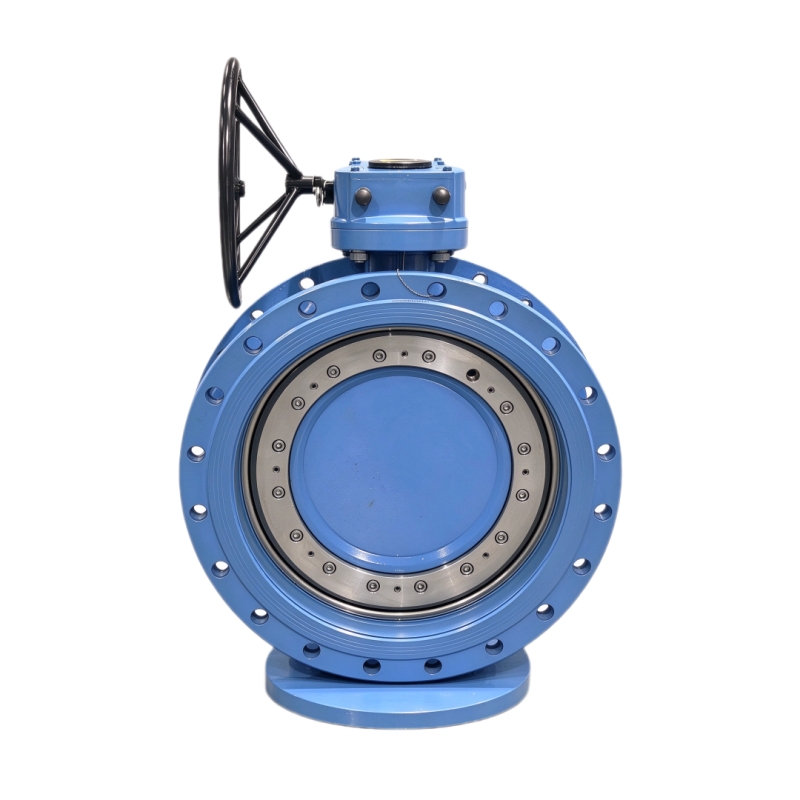
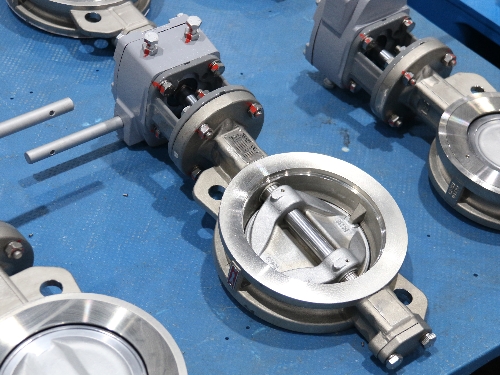
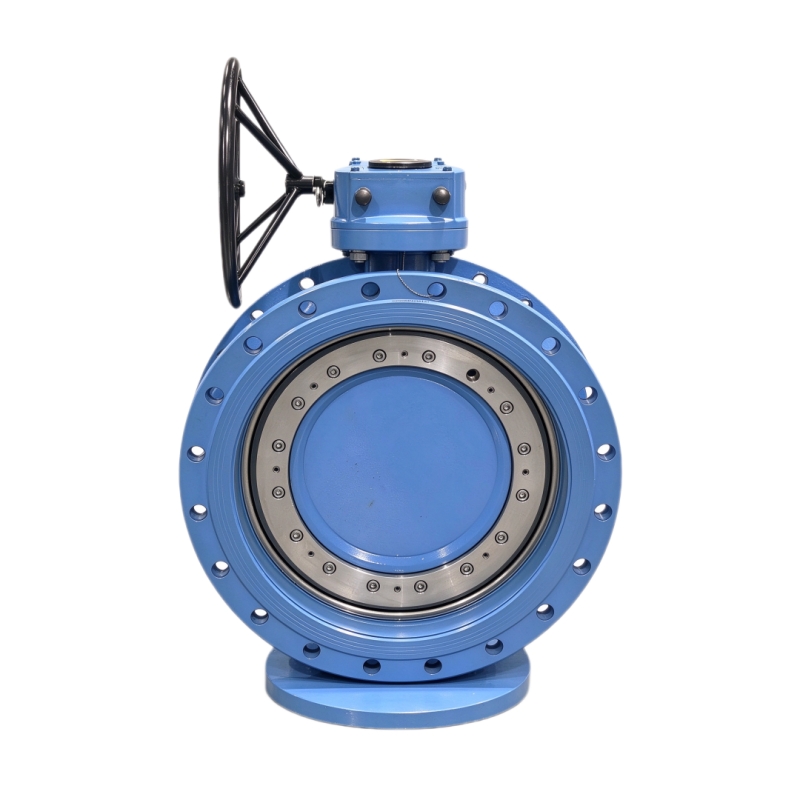
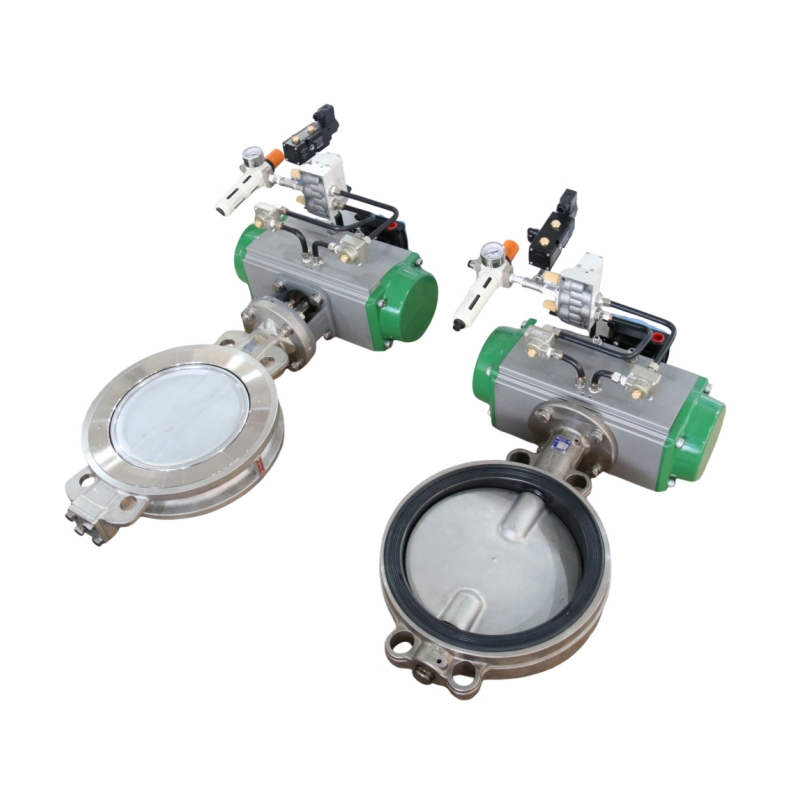
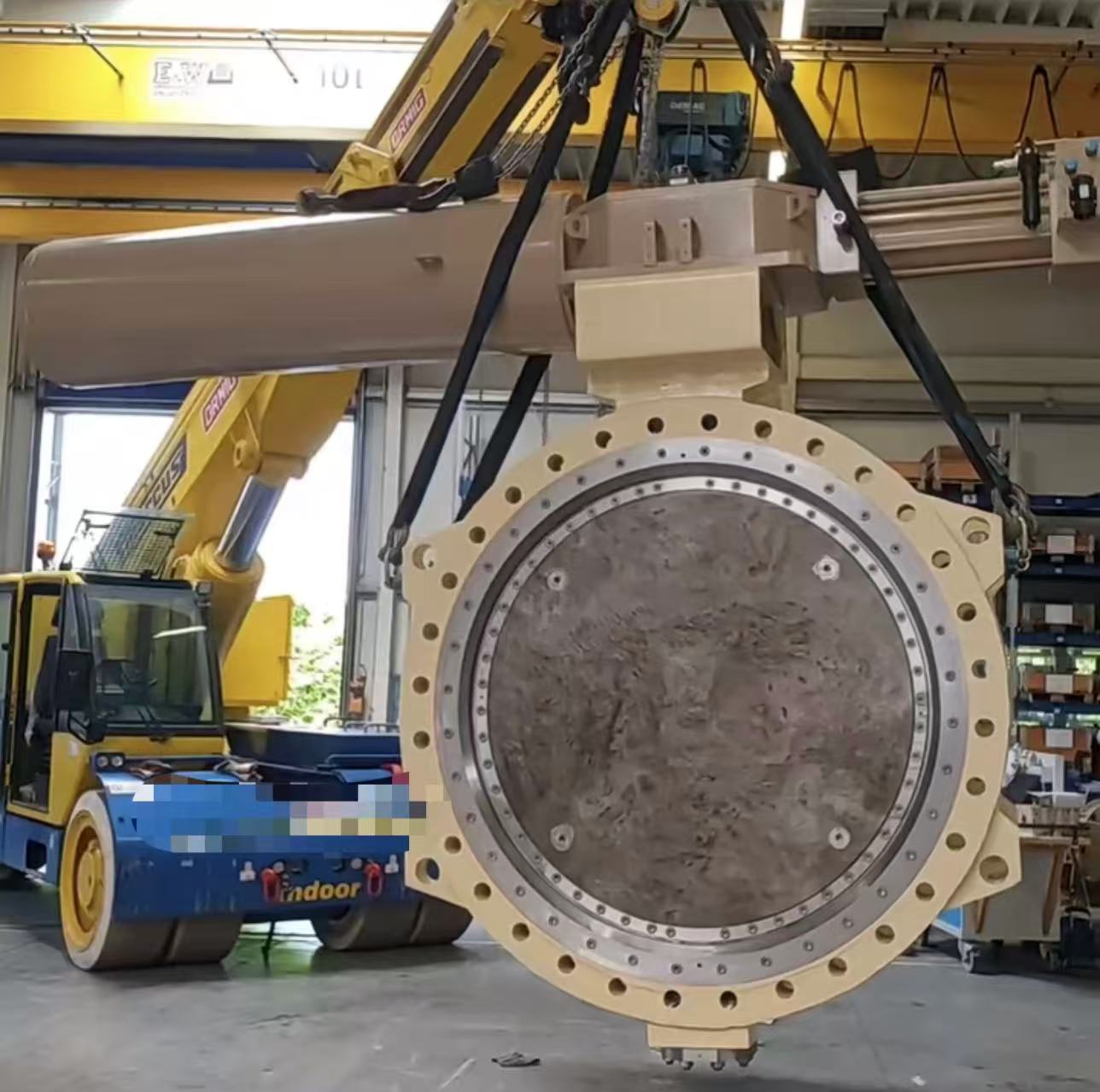
전기 버터플라이 밸브

홈페이지

전기 버터플라이 밸브

  • How Does a Butterfly Valve Open and Close? Full Operating Guide | GEKO Valve
    How Does a Butterfly Valve Open and Close? Full Operating Guide | GEKO Valve
    Oct 09, 2026
    How Does a Butterfly Valve Open and Close? Full Operating Guide Butterfly valves are the most widely used quarter-turn flow control devices in industrial and municipal piping systems. Many engineers and procurement specialists select industrial butterfly valves for their compact size and cost-saving advantages, yet few fully understand the complete mechanical process of how a butterfly valve opens and closes. Unlike linear-stroke gate valves and globe valves, butterfly valves rely on precise rotary motion to change pipeline flow status. This article clearly explains the opening and closing working process, mechanical logic of different valve designs, actuation modes, and sealing coordination principles. 1. Basic Open and Close Principle of Butterfly Valves The entire opening and closing action of a butterfly valve is completed through a 90-degree quarter-turn rotation. The core moving parts include the valve stem and internal butterfly disc. The stem receives torque from manual or automated actuators and drives the disc to rotate horizontally inside the pipeline bore, realizing full opening, full closing, and intermediate throttling states. Closing Process (90° → 0°): The disc gradually rotates perpendicular to the fluid flow direction, continuously narrowing the flow passage. When reaching 0 degrees, the disc completely presses against the valve seat, blocking the pipeline and achieving tight shutoff. Opening Process (0° → 90°): The disc rotates parallel to the fluid direction, gradually expanding the flow area. At 90 degrees, the disc is fully opened, minimizing flow resistance and allowing maximum fluid passage. This simple rotary operation is what makes wafer butterfly valves and lug butterfly valves so popular for large-bore piping. 2. Complete Mechanical Action Process   The opening and closing cycle follows a fixed mechanical transmission chain, ensuring accurate and stable operation: First, the operating device (lever, gearbox, pneumatic or electric actuator) outputs rotational torque. The torque is transmitted to the central valve stem through the driving shaft. The integrated stem and disc structure rotates synchronously without idle travel. During movement, the disc gradually separates from or compresses against the sealing seat. Finally, the mechanical limit device locks the angle to complete opening or closing positioning. 3. Different Opening & Closing Logic by Valve Structure Concentric and offset butterfly valves have obvious differences in opening and closing friction, which directly affects service life and operating stability: 3.1 Concentric Butterfly Valve Operation Concentric butterfly valves have overlapping centers of the stem, disc, and pipeline. During every opening and closing stroke, the disc keeps continuous contact and friction with the seat. The operation is simple and cost-effective, suitable for low-frequency switching of conventional water treatment and HVAC pipelines. 3.2 Triple Offset Butterfly Valve Zero-Friction Operation Triple offset butterfly valves adopt a three-dimensional offset structure. During the opening process, the disc instantly separates from the seat without friction. During closing, the disc only contacts the seat at the final locking position. This zero-friction opening and closing mechanism greatly reduces seat wear, making this style of heavy duty butterfly valves suitable for high-temperature, high-pressure, and frequent switching industrial pipelines. 4. Sealing Coordination During Opening and Closing Different sealing types match different opening and closing mechanical characteristics: 4.1 Soft Seated Butterfly Valve Soft seated butterfly valves with EPDM or NBR seats rely on elastic compression to achieve zero leakage when fully closed. During closing, the disc gently squeezes the elastic seat to fill tiny gaps. During opening, the elastic seat resets automatically. This flexible sealing opening and closing mode ensures bubble-tight shutoff for clean water and gas media. 4.2 Metal Seated Butterfly Valve Metal seated butterfly valves adopt precision metal-to-metal matching. The opening and closing process realizes rigid mechanical fitting and separation. With high wear resistance and temperature resistance, they maintain stable switching performance in harsh working conditions such as high-temperature steam and abrasive slurry. 5. Opening and Closing Modes of Automated Butterfly Valves Modern industrial pipelines use automated butterfly valves to realize intelligent opening and closing control: Pneumatic Butterfly Valve: Driven by compressed air, it completes fast opening and closing strokes in seconds. With explosion-proof advantages, it is widely used in chemical and petrochemical pipeline switching. Electric Butterfly Valve: Driven by electric actuators, it features stable speed, precise angle positioning, and remote signal control. It supports delayed opening/closing and intermediate positioning, suitable for intelligent pipeline systems. Manual Butterfly Valve: Operated by lever or gear handwheel, it realizes on-site manual opening and closing, economical and convenient for low-frequency operation scenarios. 6. Common Opening & Closing Faults and Causes Valve jamming: Caused by sediment deposition, seat aging, or insufficient actuator torque Incomplete closing and leakage: Disc offset, seat wear, or foreign matter blocking the sealing surface Slow opening and closing speed: Pneumatic air pressure insufficiency or electric actuator parameter deviation 7. GEKO Valve Precise Opening & Closing Performance All GEKO butterfly valves adopt optimized rotary motion structure, ensuring flexible, smooth, and accurate opening and closing actions. Our full product range including wafer, lug, soft seat, metal seat, and triple offset butterfly valves achieves zero-friction switching, stable sealing, and long service life. Automated modulating butterfly valves support arbitrary angle opening and closing, meeting isolation and throttling control requirements of modern industrial piping systems.
    더 읽어보기
  • What Is the Role of a Butterfly Valve in Piping Systems? | GEKO Valve
    What Is the Role of a Butterfly Valve in Piping Systems? | GEKO Valve
    Oct 09, 2026
    What Is the Role of a Butterfly Valve in Piping Systems? Industrial and municipal piping networks transport liquids, gases and slurries across vast facilities, requiring reliable flow control hardware to keep operations safe and predictable. As a popular quarter-turn valve, the butterfly valve performs multiple core functions within piping systems. Its compact build, lightweight body and flexible operating modes make it a go-to choice for many pipeline designs, from large water mains to chemical processing lines. This article breaks down the key roles butterfly valves play in piping systems and where their strengths shine. 1. Fluid Isolation for Pipeline Maintenance & Emergency Shutoff One primary role of a butterfly valve is positive isolation. When a pipe segment, pump or downstream equipment needs inspection or repair, operators close the butterfly valve to fully cut off fluid flow. In emergency scenarios such as pipeline overpressure or equipment failure, it can rapidly shut down the line to prevent spillage and system damage. Lug and flange butterfly valves are commonly used for isolation duties, with PTFE or EPDM seats delivering tight shutoff performance. 2. Flow Throttling and Flow Regulation Beyond simple on/off service, butterfly valves are widely used for throttling flow. By rotating the disc to partial opening positions, the valve adjusts the cross-sectional flow area, controlling the volume and velocity of fluid moving through the piping. This function helps stabilize pressure and maintain consistent flow rates for processes like water distribution, HVAC circulation and chemical transfer. Note that precise throttling requires proper material selection to avoid disc erosion from high-speed media. 3. Pressure Control and Surge Mitigation Butterfly valves assist in managing pipeline pressure. Gradual opening or closing can moderate pressure spikes caused by pump start-up and shutdown. In large-diameter piping systems, slow-actuated butterfly valves help reduce water hammer effects that may damage pipe fittings and instruments. Pneumatic or electric actuators are often paired with butterfly valves for automated pressure regulation in modern piping networks.   4. Diversion and Flow Direction Switching In multi-branch piping layouts, sets of butterfly valves work together to divert fluid to different branches. For example, in water treatment plants, they switch flow between filter banks, or in district heating systems, they redirect hot water to different building zones. This eliminates the need to shut down the entire piping system when rerouting process media. 5. Backflow Prevention (Auxiliary Function) While butterfly valves are not dedicated check valves, properly specified butterfly valves can help limit unwanted reverse flow in certain low-risk piping applications. For critical backflow protection, they are usually combined with dedicated check valves as part of a complete piping safety assembly. Key Benefits of Butterfly Valves for Piping Networks Space-saving design: Much thinner than gate or globe valves, ideal for tight pipe rack installations Light weight: Reduces structural load on pipe supports, lowering overall project cost Fast quarter-turn operation: Manual lever, gear, pneumatic or electric actuation options available Wide size range: Works for both small process lines and large diameter main pipelines Corrosion-resistant options: Lined butterfly valves available for corrosive chemical media Selection Tips According to Piping Roles Choose resilient seated butterfly valves for water and wastewater isolation tasks. For corrosive fluids, PTFE lined butterfly valves are recommended. If automatic control is required, specify pneumatic or electric actuators to integrate with plant control systems. Confirm pressure class, flange standard and seat material to match your piping medium and operating temperature. Summary Within piping systems, butterfly valves serve five major purposes: fluid isolation, flow throttling, pressure management, flow diversion and auxiliary backflow control. Thanks to their compact footprint and versatile actuation choices, butterfly valves deliver dependable flow control across water, chemical, power and HVAC piping networks. Selecting the correct butterfly valve design ensures stable, long-term pipeline operation and reduces unplanned downtime.
    더 읽어보기
  • What Is a Butterfly Valve and What Are Its Key Components? | GEKO Valve
    What Is a Butterfly Valve and What Are Its Key Components? | GEKO Valve
    Sep 29, 2026
      What Is a Butterfly Valve and What Are Its Key Components? A butterfly valve is a popular quarter-turn flow control device widely used in municipal and industrial piping systems to regulate, throttle, or completely shut off fluid flow. Its slim, lightweight design makes it far more space-saving than ball valves or gate valves, especially for large-diameter pipelines. Many new buyers and plant engineers want to understand exactly what a butterfly valve is and how each internal part works together to deliver reliable performance. This article breaks down the definition, core function, and all key components of a butterfly valve.   Definition and Core Function of a Butterfly Valve At its simplest, a butterfly valve controls fluid by rotating a circular disc inside the pipeline. A 90-degree rotation switches the valve between fully open and fully closed positions. It can also stay at intermediate angles for throttling flow. Wafer butterfly valves and lug butterfly valves are the two most common body styles, while offset designs like triple offset butterfly valves handle demanding high-temperature and high-pressure applications. Butterfly valves work with water, air, gas, and many chemical media across water treatment, HVAC, power, and chemical processing industries. Key Components of a Butterfly Valve 1. Valve Body The valve body forms the main pressure-containing shell and connects to the pipeline. Wafer-style bodies fit between two pipe flanges without bolt lugs. Lug bodies have threaded lugs built into the valve to hold flanges securely. Heavy-duty metal seated butterfly valves use cast iron, ductile iron, stainless steel, or alloy steel bodies to withstand harsh working environments. 2. Butterfly Disc The disc is the circular plate inside the body that blocks or allows fluid passage. It rotates with the valve stem. The disc shape directly impacts flow resistance. Concentric valves use a flat disc; double offset and triple offset valves use contoured discs to reduce seat friction during rotation. For corrosive media, discs are coated or made from stainless steel to extend service life. 3. Valve Stem The stem is a shaft that passes through the valve body and attaches firmly to the disc. It transfers torque from the actuator or handwheel to rotate the disc. Most stems are made of high-strength stainless steel to resist torsion and corrosion. Many designs use a one-piece stem and disc connection to eliminate play and improve control precision. 4. Seat / Sealing Ring The seat creates the sealing contact surface between the disc and valve body. Soft seated butterfly valves use elastomer seats such as EPDM or PTFE to achieve bubble-tight shutoff for clean media. Metal seated versions use metal-to-metal sealing surfaces, suited for high temperature, abrasive, or steam media where rubber seats cannot survive.   5. Stem Seals & Gaskets Stem seals prevent fluid leakage along the stem where it exits the valve body. Packing rings or O-rings form the primary barrier. They are critical to prevent fugitive emissions, especially for chemical and oil & gas applications. 6. Actuator / Operating Unit The actuator supplies torque to turn the stem and disc. Manual versions use a handwheel or lever. Pneumatic butterfly valves use compressed air for fast on/off or modulating control. Electric butterfly valves allow remote automated operation and precise flow adjustment. Positioners can be fitted to modulating actuators to maintain exact disc angles. How These Components Work Together When the actuator turns the valve stem, the disc rotates inside the body. In closed position, the disc presses against the seat to block fluid. When opened, the disc turns parallel to flow so media can pass through. All parts must be properly matched to the working pressure, temperature, and medium. A mismatch in seat or disc material will quickly cause leakage and premature failure. GEKO Valve Butterfly Valve Range GEKO Valve supplies complete butterfly valve assemblies with high-quality components. Our range includes soft seated and metal seated, concentric, double offset and triple offset butterfly valves, available in wafer, lug, flanged designs with manual, pneumatic or electric actuators for industrial and municipal projects worldwide. 9 Core SEO Keywords: Wafer Butterfly Valve, Lug Butterfly Valve, Triple Offset Butterfly Valve, Soft Seated Butterfly Valve, Metal Seated Butterfly Valve, Pneumatic Butterfly Valve, Electric Butterfly Valve, Automated Butterfly Valve, Heavy Duty Butterfly Valve
    더 읽어보기
  • 버터플라이 밸브란 무엇이며 어떻게 작동하는가? 완벽 가이드 | GEKO 밸브
    버터플라이 밸브란 무엇이며 어떻게 작동하는가? 완벽 가이드 | GEKO 밸브
    Sep 20, 2026
     버터플라이 밸브는 상업 및 산업 배관 시스템에 널리 사용되는 고효율 쿼터턴 유량 제어 장치입니다. 초소형 구조, 경량 설계, 빠른 작동 속도 및 비용 절감 효과로 잘 알려진 버터플라이 밸브는 구조 배치 및 작동 원리 면에서 볼 밸브, 게이트 밸브, 글로브 밸브와 크게 다릅니다. 대구경 파이프라인의 유량 차단, 조절 및 제어에 가장 적합한 밸브 유형입니다. 본 가이드는 엔지니어와 구매자가 다양한 프로젝트에서 버터플라이 밸브를 정확하게 적용할 수 있도록 버터플라이 밸브의 정의, 내부 구조, 작동 원리, 코어 유형 및 산업적 특성을 자세히 설명합니다.1. 버터플라이 밸브란 무엇인가요?버터플라이 밸브는 디스크 모양의 폐쇄 부재를 사용하여 유체 흐름을 제어하는 ​​회전식 밸브입니다. 주요 구성 요소로는 밸브 본체, 중앙 밸브 스템, 버터플라이 디스크 및 밀봉 시트가 있습니다. 기존 산업용 밸브와 비교하여 버터플라이 밸브는 밸브 면간 거리가 짧고 무게가 가벼우며 설치 공간이 적게 필요하므로 볼 밸브나 게이트 밸브가 부피가 크고 가격이 비싼 대구경 파이프라인 시스템에 이상적입니다.산업용 버터플라이 밸브는 액체, 기체 및 저점도 유체 매체용으로 설계되었으며, 수처리, 냉난방 공조(HVAC), 소방, 화학, 발전 및 도시 공학 시스템에 널리 적용됩니다. 완전 개방, 완전 폐쇄 및 부분 유량 조절이 가능하며, 차단 및 유량 조절 기능을 모두 제공합니다. 2. 버터플라이 밸브의 핵심 구조버터플라이 밸브의 안정적인 작동은 정밀하게 구성된 구조 시스템에 달려 있습니다. 주요 구성 요소와 그 기능은 다음과 같습니다.밸브 바디주 압력 지지 외함은 주철, 연성 주철, 탄소강 및 스테인리스강 재질로 제공되며, 전체 파이프라인의 압력 하중을 지지합니다.밸브 스템액추에이터와 버터플라이 디스크를 연결하는 전달축으로, 디스크를 회전시키기 위한 회전 토크를 전달합니다.나비 디스크핵심 유량 제어 부품은 90도 회전하여 유체 통로를 차단하거나 열 수 있으며, 유선형 디스크 디자인으로 유체 저항을 효과적으로 줄입니다.밀봉 시트밸브 본체 내벽에 설치되며, 고무 연질 씰과 금속 경질 씰 유형이 있으며, 파이프라인의 완벽한 차단을 담당합니다.작동 장치밸브 전환 및 조정을 제어하는 ​​데 사용되는 수동 레버, 기어, 공압 및 전기 액추에이터를 포함합니다.3. 버터플라이 밸브는 어떻게 작동합니까? (작동 원리)버터플라이 밸브의 작동 원리는 다음과 같습니다. 90도 1/4회전 회전 운동간단하고 효율적인 동작 논리를 갖추고 있습니다.밸브가 개방 신호를 받으면 액추에이터가 밸브 스템과 버터플라이 디스크를 수평 방향으로 90도 회전시킵니다. 이때 디스크는 유체 흐름 방향과 평행이 되어 파이프라인은 유체 저항이 최소화된 완전 개방 통로를 형성합니다.밸브를 닫을 때 디스크는 다시 90도 회전하여 유체 흐름 방향에 수직이 됩니다. 디스크 표면이 밀봉 시트에 밀착되어 유체 통로를 완전히 차단함으로써 파이프라인 격리 및 완벽한 차단을 실현합니다.버터플라이 디스크는 완전히 열리고 닫히는 것 외에도 0°에서 90° 사이의 모든 중간 각도를 유지할 수 있어 정밀한 유량 조절 및 압력 조절이 가능하므로 유량 제어 성능 면에서 게이트 밸브보다 우수합니다.4. 구조 및 밀봉 방식에 따른 주요 버터플라이 밸브 유형밀봉 형태와 구조 설계에 따라 산업용 버터플라이 밸브는 서로 다른 작동 조건에 맞춰 크게 두 가지 주요 범주로 나뉩니다.4.1 소프트 시트 버터플라이 밸브소프트 시트 버터플라이 밸브는 EPDM, NBR, Viton과 같은 탄성 고무 재질을 밀봉 부품으로 사용합니다. 이 밸브는 고무의 탄성 변형을 이용하여 기포가 전혀 새지 않는 완벽한 밀폐를 구현합니다. 저렴한 가격과 우수한 밀봉 성능을 갖춘 이 밸브는 상온의 물, 공기 및 일반적인 비부식성 유체에 적합하며, 상수도, 냉난방 시스템, 소방 시스템 등 다양한 분야에서 널리 사용됩니다.4.2 금속 시트 버터플라이 밸브금속 시트 버터플라이 밸브는 디스크와 시트 표면에 합금 경화 처리를 한 금속 대 금속 경질 밀봉 구조를 채택합니다. 고온, 고압 및 내마모성이 뛰어나 고온 증기, 연도 가스 및 부식성 산업 유체에 적합합니다. 가혹한 산업 환경에 주로 사용되는 밸브입니다.4.3 웨이퍼형 vs 러그형 버터플라이 밸브웨이퍼 버터플라이 밸브두 개의 파이프 플랜지 사이에 고정되는 초박형 본체로 공간을 절약하며, 협소한 설치 환경에 적합합니다.러그 버터플라이 밸브양쪽에 나사산 돌기가 있어 볼트로 고정 설치할 수 있으며, 한쪽 끝만 배관 유지보수 및 분해가 가능하여 산업용 배관 정비에 편리합니다.5. 수동식 버터플라이 밸브 작동과 자동식 버터플라이 밸브 작동 비교버터플라이 밸브는 다양한 작동 빈도와 자동화 요구 사항을 충족하기 위해 다양한 구동 모드를 지원합니다.수동 버터플라이 밸브레버 또는 기어 작동 장치를 갖추고 있어 현장에서 빈번하지 않은 수동 조작에 적합하며 경제적이고 유지 보수가 용이합니다.공압 버터플라이 밸브공기압 구동 방식으로 빠른 전환 속도를 제공하며, 탁월한 방폭 성능을 갖추고 있어 위험한 산업 환경에 적합합니다.전기 버터플라이 밸브전기 액추에이터로 구동되며 원격 제어, 신호 피드백 및 비례 제어를 지원하여 지능형 파이프라인 제어 시스템과 호환됩니다.6. 버터플라이 밸브의 주요 장점초소형 및 초경량 설계로 설치 공간과 엔지니어링 비용을 절감할 수 있습니다.빠른 90도 쿼터턴 작동으로 파이프라인 응답 효율 향상대구경 파이프라인 시스템에 적합하며 전체 비용이 저렴합니다.격리 및 유량 조절의 이중 기능구조가 간단하고, 마모되는 부품이 적으며, 유지 보수 비용이 저렴합니다.7. 버터플라이 밸브의 산업적 응용버터플라이 밸브는 도시 상수도 처리, HVAC 냉동 시스템, 소방 배관 시스템, 화학 유체 이송, 발전소 순환수 시스템, 환경 보호 배기가스 및 연도 가스 처리 프로젝트를 포함한 저압에서 중압, 대용량 배관 환경에 널리 사용됩니다.8. GEKO 밸브의 고품질 버터플라이 밸브 솔루션GEKO Valve는 웨이퍼형 및 러그형, 소프트 시트형 및 메탈 시트형을 비롯하여 수동식, 공압식, 전동식 등 다양한 산업용 버터플라이 밸브를 제공합니다. 당사 제품은 정밀 주조 및 유선형 디스크 설계를 채택하여 안정적인 밀봉 성능, 유연한 작동, 그리고 뛰어난 작업 환경 적응성을 자랑합니다. 모든 밸브는 국제 산업 표준을 준수하며, 전 세계 도시 및 산업 파이프라인 프로젝트에 신뢰할 수 있는 대구경 유체 제어 솔루션을 제공합니다.9가지 핵심 SEO 키워드웨이퍼 버터플라이 밸브, 러그 버터플라이 밸브, 소프트 시트 버터플라이 밸브, 메탈 시트 버터플라이 밸브, 공압 버터플라이 밸브, 전동 버터플라이 밸브, 대구경 버터플라이 밸브, 산업용 버터플라이 밸브, 쿼터턴 버터플라이 밸브
    더 읽어보기
  • 버터플라이 밸브란 무엇이며 어떻게 작동하는가? 완벽 가이드 | GEKO 밸브
    버터플라이 밸브란 무엇이며 어떻게 작동하는가? 완벽 가이드 | GEKO 밸브
    Sep 17, 2026
     버터플라이 밸브란 무엇이며 어떻게 작동하는가? 완벽 가이드버터플라이 밸브는 상업 및 산업 배관 시스템에 널리 사용되는 고효율 쿼터턴 유량 제어 장치입니다. 초소형 구조, 경량 설계, 빠른 작동 속도 및 비용 절감 효과로 잘 알려진 버터플라이 밸브는 구조 배치 및 작동 원리 면에서 볼 밸브, 게이트 밸브, 글로브 밸브와 크게 다릅니다. 대구경 파이프라인의 유량 차단, 조절 및 제어에 가장 적합한 밸브 유형입니다. 본 가이드는 엔지니어와 구매자가 다양한 프로젝트에서 버터플라이 밸브를 정확하게 적용할 수 있도록 버터플라이 밸브의 정의, 내부 구조, 작동 원리, 코어 유형 및 산업적 특성을 자세히 설명합니다.1. 버터플라이 밸브란 무엇인가요?버터플라이 밸브는 디스크 모양의 폐쇄 부재를 사용하여 유체 흐름을 제어하는 ​​회전식 밸브입니다. 주요 구성 요소로는 밸브 본체, 중앙 밸브 스템, 버터플라이 디스크 및 밀봉 시트가 있습니다. 기존 산업용 밸브와 비교하여 버터플라이 밸브는 밸브 면간 거리가 짧고 무게가 가벼우며 설치 공간이 적게 필요하므로 볼 밸브나 게이트 밸브가 부피가 크고 가격이 비싼 대구경 파이프라인 시스템에 이상적입니다.산업용 버터플라이 밸브는 액체, 기체 및 저점도 유체 매체용으로 설계되었으며, 수처리, 냉난방 공조(HVAC), 소방, 화학, 발전 및 도시 공학 시스템에 널리 적용됩니다. 완전 개방, 완전 폐쇄 및 부분 유량 조절이 가능하며, 차단 및 유량 조절 기능을 모두 제공합니다. 2. 버터플라이 밸브의 핵심 구조버터플라이 밸브의 안정적인 작동은 정밀하게 구성된 구조 시스템에 달려 있습니다. 주요 구성 요소와 그 기능은 다음과 같습니다.밸브 바디주 압력 지지 외함은 주철, 연성 주철, 탄소강 및 스테인리스강 재질로 제공되며, 전체 파이프라인의 압력 하중을 지지합니다.밸브 스템액추에이터와 버터플라이 디스크를 연결하는 전달축으로, 디스크를 회전시키기 위한 회전 토크를 전달합니다.나비 디스크핵심 유량 제어 부품은 90도 회전하여 유체 통로를 차단하거나 열 수 있으며, 유선형 디스크 디자인으로 유체 저항을 효과적으로 줄입니다.밀봉 시트밸브 본체 내벽에 설치되며, 고무 연질 씰과 금속 경질 씰 유형이 있으며, 파이프라인의 완벽한 차단을 담당합니다.작동 장치밸브 전환 및 조정을 제어하는 ​​데 사용되는 수동 레버, 기어, 공압 및 전기 액추에이터를 포함합니다.3. 버터플라이 밸브는 어떻게 작동합니까? (작동 원리)버터플라이 밸브의 작동 원리는 다음과 같습니다. 90도 1/4회전 회전 운동간단하고 효율적인 동작 논리를 갖추고 있습니다.밸브가 개방 신호를 받으면 액추에이터가 밸브 스템과 버터플라이 디스크를 수평 방향으로 90도 회전시킵니다. 이때 디스크는 유체 흐름 방향과 평행이 되어 파이프라인은 유체 저항이 최소화된 완전 개방 통로를 형성합니다.밸브를 닫을 때 디스크는 다시 90도 회전하여 유체 흐름 방향에 수직이 됩니다. 디스크 표면이 밀봉 시트에 밀착되어 유체 통로를 완전히 차단함으로써 파이프라인 격리 및 완벽한 차단을 실현합니다.버터플라이 디스크는 완전히 열리고 닫히는 것 외에도 0°에서 90° 사이의 모든 중간 각도를 유지할 수 있어 정밀한 유량 조절 및 압력 조절이 가능하므로 유량 제어 성능 면에서 게이트 밸브보다 우수합니다.4. 구조 및 밀봉 방식에 따른 주요 버터플라이 밸브 유형밀봉 형태와 구조 설계에 따라 산업용 버터플라이 밸브는 서로 다른 작동 조건에 맞춰 크게 두 가지 주요 범주로 나뉩니다.4.1 소프트 시트 버터플라이 밸브소프트 시트 버터플라이 밸브는 EPDM, NBR, Viton과 같은 탄성 고무 재질을 밀봉 부품으로 사용합니다. 이 밸브는 고무의 탄성 변형을 이용하여 기포가 전혀 새지 않는 완벽한 밀폐를 구현합니다. 저렴한 가격과 우수한 밀봉 성능을 갖춘 이 밸브는 상온의 물, 공기 및 일반적인 비부식성 유체에 적합하며, 상수도, 냉난방 시스템, 소방 시스템 등 다양한 분야에서 널리 사용됩니다.4.2 금속 시트 버터플라이 밸브금속 시트 버터플라이 밸브는 디스크와 시트 표면에 합금 경화 처리를 한 금속 대 금속 경질 밀봉 구조를 채택합니다. 고온, 고압 및 내마모성이 뛰어나 고온 증기, 연도 가스 및 부식성 산업 유체에 적합합니다. 가혹한 산업 환경에 주로 사용되는 밸브입니다.4.3 웨이퍼형 vs 러그형 버터플라이 밸브웨이퍼 버터플라이 밸브두 개의 파이프 플랜지 사이에 고정되는 초박형 본체로 공간을 절약하며, 협소한 설치 환경에 적합합니다.러그 버터플라이 밸브양쪽에 나사산 돌기가 있어 볼트로 고정 설치할 수 있으며, 한쪽 끝만 배관 유지보수 및 분해가 가능하여 산업용 배관 정비에 편리합니다.5. 수동식 버터플라이 밸브 작동과 자동식 버터플라이 밸브 작동 비교버터플라이 밸브는 다양한 작동 빈도와 자동화 요구 사항을 충족하기 위해 다양한 구동 모드를 지원합니다.수동 버터플라이 밸브레버 또는 기어 작동 장치를 갖추고 있어 현장에서 빈번하지 않은 수동 조작에 적합하며 경제적이고 유지 보수가 용이합니다.공압 버터플라이 밸브공기압 구동 방식으로 빠른 전환 속도를 제공하며, 탁월한 방폭 성능을 갖추고 있어 위험한 산업 환경에 적합합니다.전기 버터플라이 밸브전기 액추에이터로 구동되며 원격 제어, 신호 피드백 및 비례 제어를 지원하여 지능형 파이프라인 제어 시스템과 호환됩니다.6. 버터플라이 밸브의 주요 장점초소형 및 초경량 설계로 설치 공간과 엔지니어링 비용을 절감할 수 있습니다.빠른 90도 쿼터턴 작동으로 파이프라인 응답 효율 향상대구경 파이프라인 시스템에 적합하며 전체 비용이 저렴합니다.격리 및 유량 조절의 이중 기능구조가 간단하고, 마모되는 부품이 적으며, 유지 보수 비용이 저렴합니다.7. 버터플라이 밸브의 산업적 응용버터플라이 밸브는 도시 상수도 처리, HVAC 냉동 시스템, 소방 배관 시스템, 화학 유체 이송, 발전소 순환수 시스템, 환경 보호 배기가스 및 연도 가스 처리 프로젝트를 포함한 저압에서 중압, 대용량 배관 환경에 널리 사용됩니다.8. GEKO 밸브의 고품질 버터플라이 밸브 솔루션GEKO Valve는 웨이퍼형 및 러그형, 소프트 시트형 및 메탈 시트형을 비롯하여 수동식, 공압식, 전동식 등 다양한 산업용 버터플라이 밸브를 제공합니다. 당사 제품은 정밀 주조 및 유선형 디스크 설계를 채택하여 안정적인 밀봉 성능, 유연한 작동, 그리고 뛰어난 작업 환경 적응성을 자랑합니다. 모든 밸브는 국제 산업 표준을 준수하며, 전 세계 도시 및 산업 파이프라인 프로젝트에 신뢰할 수 있는 대구경 유체 제어 솔루션을 제공합니다.9가지 핵심 SEO 키워드웨이퍼 버터플라이 밸브, 러그 버터플라이 밸브, 소프트 시트 버터플라이 밸브, 메탈 시트 버터플라이 밸브, 공압 버터플라이 밸브, 전동 버터플라이 밸브, 대구경 버터플라이 밸브, 산업용 버터플라이 밸브, 쿼터턴 버터플라이 밸브
    더 읽어보기

메시지를 남겨주세요

메시지를 남겨주세요
저희 제품에 관심이 있으시고 자세한 내용을 알고 싶으시다면, 여기에 메시지를 남겨주세요. 최대한 빨리 답변해 드리겠습니다.
제출하다

홈페이지

제품

연락하다