What Is the Role of a Butterfly Valve in Piping Systems? | GEKO Valve
Oct 09, 2026
What Is the Role of a Butterfly Valve in Piping Systems?
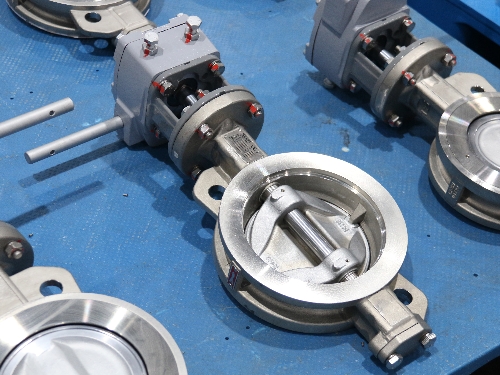
Industrial and municipal piping networks transport liquids, gases and slurries across vast facilities, requiring reliable flow control hardware to keep operations safe and predictable. As a popular quarter-turn valve, the butterfly valve performs multiple core functions within piping systems. Its compact build, lightweight body and flexible operating modes make it a go-to choice for many pipeline designs, from large water mains to chemical processing lines. This article breaks down the key roles butterfly valves play in piping systems and where their strengths shine.
1. Fluid Isolation for Pipeline Maintenance & Emergency Shutoff
One primary role of a butterfly valve is positive isolation. When a pipe segment, pump or downstream equipment needs inspection or repair, operators close the butterfly valve to fully cut off fluid flow. In emergency scenarios such as pipeline overpressure or equipment failure, it can rapidly shut down the line to prevent spillage and system damage. Lug and flange butterfly valves are commonly used for isolation duties, with PTFE or EPDM seats delivering tight shutoff performance.
2. Flow Throttling and Flow Regulation
Beyond simple on/off service, butterfly valves are widely used for throttling flow. By rotating the disc to partial opening positions, the valve adjusts the cross-sectional flow area, controlling the volume and velocity of fluid moving through the piping. This function helps stabilize pressure and maintain consistent flow rates for processes like water distribution, HVAC circulation and chemical transfer. Note that precise throttling requires proper material selection to avoid disc erosion from high-speed media.
3. Pressure Control and Surge Mitigation
Butterfly valves assist in managing pipeline pressure. Gradual opening or closing can moderate pressure spikes caused by pump start-up and shutdown. In large-diameter piping systems, slow-actuated butterfly valves help reduce water hammer effects that may damage pipe fittings and instruments. Pneumatic or electric actuators are often paired with butterfly valves for automated pressure regulation in modern piping networks.
4. Diversion and Flow Direction Switching
In multi-branch piping layouts, sets of butterfly valves work together to divert fluid to different branches. For example, in water treatment plants, they switch flow between filter banks, or in district heating systems, they redirect hot water to different building zones. This eliminates the need to shut down the entire piping system when rerouting process media.
5. Backflow Prevention (Auxiliary Function)
While butterfly valves are not dedicated check valves, properly specified butterfly valves can help limit unwanted reverse flow in certain low-risk piping applications. For critical backflow protection, they are usually combined with dedicated check valves as part of a complete piping safety assembly.
Key Benefits of Butterfly Valves for Piping Networks
Space-saving design: Much thinner than gate or globe valves, ideal for tight pipe rack installations
Light weight: Reduces structural load on pipe supports, lowering overall project cost
Fast quarter-turn operation: Manual lever, gear, pneumatic or electric actuation options available
Wide size range: Works for both small process lines and large diameter main pipelines
Corrosion-resistant options: Lined butterfly valves available for corrosive chemical media
Selection Tips According to Piping Roles
Choose resilient seated butterfly valves for water and wastewater isolation tasks. For corrosive fluids, PTFE lined butterfly valves are recommended. If automatic control is required, specify pneumatic or electric actuators to integrate with plant control systems. Confirm pressure class, flange standard and seat material to match your piping medium and operating temperature.
Summary
Within piping systems, butterfly valves serve five major purposes: fluid isolation, flow throttling, pressure management, flow diversion and auxiliary backflow control. Thanks to their compact footprint and versatile actuation choices, butterfly valves deliver dependable flow control across water, chemical, power and HVAC piping networks. Selecting the correct butterfly valve design ensures stable, long-term pipeline operation and reduces unplanned downtime.
더 읽어보기






 이메일
: info@geko-union.com
이메일
: info@geko-union.com
 이메일
: info@geko-valves.de
이메일
: info@geko-valves.de
 이메일
: tw@geko-union.com
이메일
: tw@geko-union.com
 이메일
: nl@geko-union.com
이메일
: nl@geko-union.com

 IPv6 네트워크 지원


