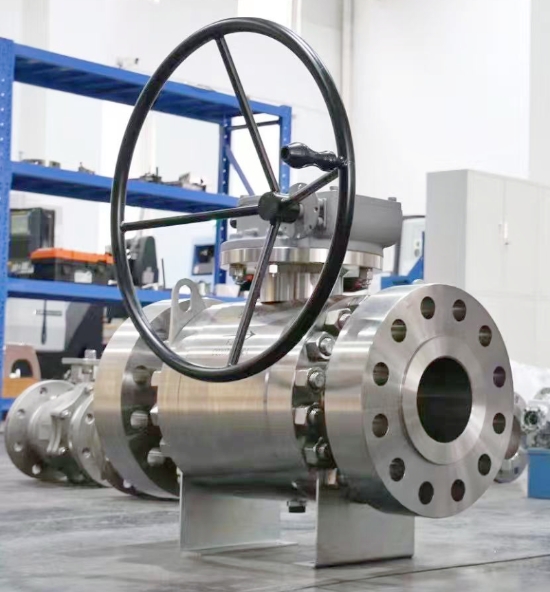
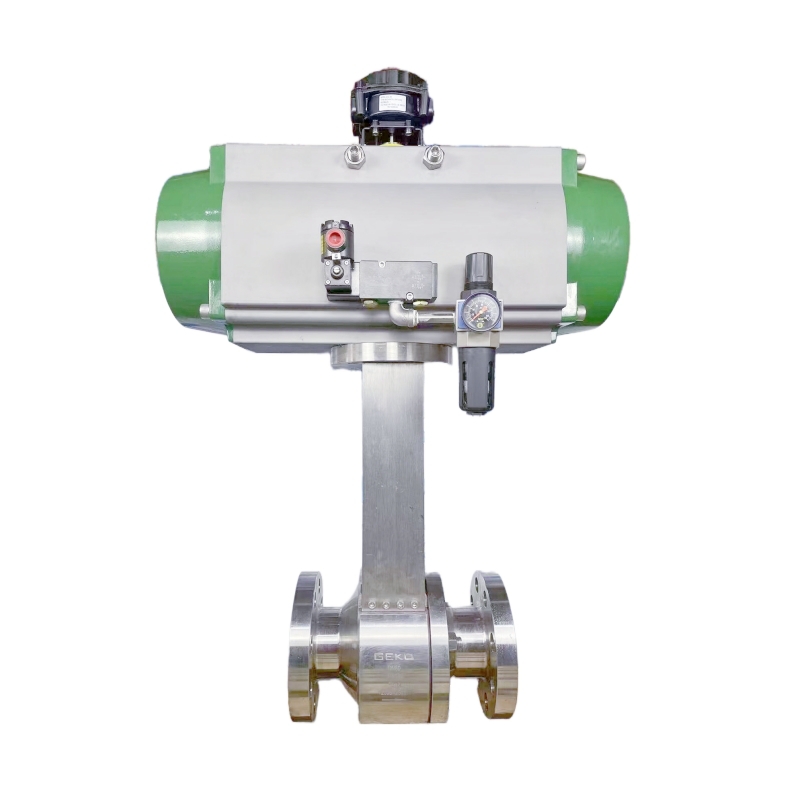
극저온 볼 밸브

홈페이지

극저온 볼 밸브

  • How to Select the Right Ball Valve for Your Application | GEKO Valve
    How to Select the Right Ball Valve for Your Application | GEKO Valve
    Sep 14, 2026
      How to Select the Right Ball Valve for Your Application Selecting the right ball valve is critical to secure long-term pipeline safety, minimize downtime, and avoid unnecessary replacement costs. With countless valve designs, body materials, sealing options and actuation choices available on the market, many plant engineers and procurement teams struggle to match ball valves to unique process requirements. This practical guide walks you through the core factors to evaluate before purchase, helping you pick a suitable ball valve tailored exactly to your application.   1. Define Your Fluid Medium Properties The first step in ball valve selection is analyzing the fluid that flows through the pipeline. Media properties directly decide valve body material, seat material and corrosion protection requirements. Clean non-corrosive media such as water and compressed air: Carbon steel or stainless steel ball valves with polymer seats work perfectly for general isolation service. Corrosive chemicals, acids and alkalis: Choose corrosion-resistant ball valves made from stainless steel, alloy or lined construction to prevent chemical erosion. Abrasive media including slurry, mineral particles: Metal hard-seated ball valves are recommended to resist wear and extend service life. High viscosity or sticky fluids: Special optimized ball cavity design prevents medium buildup and jamming. 2. Confirm Operating Pressure and Temperature Range Every ball valve has a rated pressure-temperature envelope. Never operate a valve beyond its designated rating, or you risk leakage, seat damage or even structural failure. For high-pressure process lines, heavy-duty pressure class ball valves are required. For cryogenic services, specially treated low-temperature ball valves maintain sealing performance under extreme cold. For high-temperature steam or hot oil applications, metal seated ball valves are preferred over soft polymer seats which will degrade under heat.   3. Choose Bore Size and End Connection Type Flow requirement determines whether you need full bore or reduced bore construction. Full bore ball valves deliver unrestricted flow and support pipeline pigging, ideal for high-flow transfer lines. Reduced bore ball valves offer cost savings for standard isolation applications where pressure drop is not a major concern. Common end connections include flanged ends, threaded ends and butt-weld ends. Flanged ball valves simplify on-site installation and maintenance. Butt-weld ball valves provide superior tightness for high-pressure permanent process pipelines, while threaded ball valves suit small-bore low-pressure auxiliary piping.   4. Pick Suitable Sealing and Body Materials Seat material selection balances sealing tightness and working condition adaptability. Soft-seated ball valves deliver bubble-tight shutoff at moderate temperatures, while metal-seated ball valves withstand extreme temperature and abrasive service. Common body materials include A105 carbon steel, 304 stainless steel and 316 stainless steel. Special alloy options are available for severe corrosive or high-temperature applications.   5. Select Manual or Automated Actuation Consider operation frequency and control method for your site. Manual ball valves with lever or gear handles are economical for infrequent on-site operation. For automated process plants, pneumatic ball valves and electric ball valves enable remote on-off or modulating control. Pneumatic actuators are widely used in explosion-risk environments, while electric actuators are convenient for unmanned stations without compressed air supply. 6. Review Industry Standards and Certification Always verify relevant industry standards before finalizing your valve specification. API, ASME and ISO certified ball valves follow strict manufacturing and test protocols, ensuring consistent quality for oil & gas, chemical and power projects. For special industries such as water or fire protection, check if additional approvals are mandatory. 7. Avoid Common Ball Valve Selection Pitfalls Selecting valve only by nominal size without checking pressure-temperature rating Using soft seats in high-temperature or abrasive slurry applications Ignoring medium corrosion and choosing incompatible body material Mismatched end connection leading to assembly trouble on site Under-sizing actuator torque, causing valve failing to open or close GEKO Valve Custom Ball Valve Solutions GEKO Valve supplies custom and standard ball valves to match diverse application requirements. Our engineering team reviews your medium, temperature, pressure and control needs to recommend the most cost-effective ball valve solution. All valves undergo factory pressure testing to guarantee reliable performance for your industrial piping systems. 9 Core SEO Keywords: Cryogenic Ball Valve, Butt Weld Ball Valve, Flanged Ball Valve, Lined Ball Valve, Modulating Ball Valve, Severe Service Ball Valve, Stainless Steel Ball Valve, Carbon Steel Ball Valve, Pipeline Isolation Valve
    더 읽어보기
  • 특수 배관 용도에 적합한 다양한 산업용 볼 밸브 종류 | GEKO 밸브
    특수 배관 용도에 적합한 다양한 산업용 볼 밸브 종류 | GEKO 밸브
    Aug 04, 2026
    특수 배관 용도에 적합한 산업용 볼 밸브 종류일반적인 산업용 볼 밸브는 대부분의 일반 배관 시스템에서 안정적인 개폐 성능을 제공합니다. 그러나 유량 조절, 위생적인 ​​생산, 극저온 유체 처리, 다중 경로 유체 전환과 같은 많은 산업 공정에서는 고유한 작동 요구 사항을 충족하기 위해 특수 볼 밸브 설계가 필요합니다. 일반적인 플로팅 및 트러니언 볼 밸브는 정밀한 유량 조절, 오염 방지, 초저온 내성, 유체 전환과 같은 복잡한 공정 문제를 해결할 수 없습니다. 이 글에서는 널리 사용되는 네 가지 특수형 볼 밸브의 구조적 특징, 작동 원리, 장점 및 일반적인 산업 적용 사례를 소개하여 엔지니어가 특수 배관 시나리오에 적합한 밸브를 선택할 수 있도록 돕습니다.  1. V-포트 볼 밸브 (가변 유량 조절 볼 밸브)V포트 볼 밸브는 정밀한 유량 조절을 위해 설계된 특수 조절 볼 밸브입니다. 일반적인 원형 볼 밸브와 달리, 볼 코어에 V자형 홈이 가공되어 있어 전체 스트로크 구간에서 거의 선형적인 유량 특성을 제공합니다. 밸브가 열리고 닫힐 때, V자형 절삭날이 유체를 부드럽게 절단하여 점성 액체, 섬유질 함유 유체 및 정밀한 유량 조절에 이상적입니다.주요 장점- 정밀한 0~100% 비례 유량 조절- PID 자동 제어 시스템에 적합한 우수한 선형 유량 곡선- 자가 세척 전단 기능으로 섬유 및 입자 막힘 방지- 누설 없는 완벽한 차단 성능일반적인 적용 분야: 화학 공정, 제지 산업, 폐수 처리, 석유 및 그리스 파이프라인, 자동 공정 유량 제어 시스템. 2. 다방향 볼 밸브 (3방향 및 4방향 볼 밸브)다방향 볼 밸브는 복잡한 배관 티 조인트와 여러 밸브 조합을 대체하기 위해 개발된 3방향 및 4방향 구조 설계를 포함합니다. 이 밸브는 단일 밸브 장치 내에서 유체 전환, 혼합, 방향 전환 및 루프 제어를 구현하는 데 사용되어 배관 배치를 크게 단순화하고 시스템 설치 비용을 절감합니다.주요 장점- 유체 전환 및 혼합 기능 통합- 파이프라인 구조를 단순화하고 누출 지점을 줄입니다.- 스키드 시스템의 유연한 흐름 방향 전환을 지원합니다.- 컴팩트한 구조로 모듈형 장비 통합이 용이합니다.일반적인 적용 분야: 산업용 스키드 장착 장비, 난방 순환 시스템, 석유화학 유체 전환, HVAC 시스템 및 공정 매체 혼합 파이프라인. 3. 위생 볼 밸브 (식품 등급 볼 밸브)위생 볼 밸브는 무균 및 무오염 생산 환경에 맞게 특별히 설계되었습니다. 밸브 본체 전체에 거울처럼 매끄러운 연마 처리를 하여 내부에 사각지대가 없고 잔류물 축적이 없어 유체가 원활하게 흐릅니다. 대부분의 위생 볼 밸브는 빠른 분해 및 현장 세척이 가능한 퀵 클램프 연결 방식을 채택하여 GMP 생산 기준을 완벽하게 충족합니다.주요 장점- 세균 번식을 방지하기 위한 막힘 없는 내부 공간- 고정밀 거울 연마 표면- 식품 등급 밀봉재 사용 가능- 손쉬운 분해, 세척 및 살균일반적인 적용 분야: 식품 가공, 음료 생산, 제약 산업, 생물 공학 및 화장품 제조 공정.  4. 극저온 볼 밸브 (저온 볼 밸브)극저온 볼 밸브는 초저온 유체 작동 환경에 맞게 개발된 전문 저온 내성 밸브입니다. 확장형 보닛 구조를 갖춘 이 밸브는 저온 유체가 패킹 구성 요소에 닿지 않도록 차단하여 극저온 환경에서 패킹 파손 및 동결 균열을 방지합니다. 특수 저온 내성 소재를 사용하여 극저온 환경에서도 안정적인 밀봉 및 기계적 성능을 보장합니다.주요 장점- 확장형 스템 보닛은 저온 동결 손상으로부터 밀봉 부품을 보호합니다.- 전문적인 극저온 소재 구성으로 초저온에서도 강도를 유지합니다.- 장기간 저온 작동 시에도 안정적인 밀봉 성능 제공- 정전기 방지 및 방화 안전 옵션 설계일반적인 적용 분야: LNG 송전소, 액체 질소 및 액체 산소 파이프라인, 극저온 화학물질 저장 시스템, 저온 에너지 설비. 산업 시스템에 적합한 특수 볼 밸브 선택 방법일반 볼 밸브는 단순한 개폐 기능만 수행할 수 있습니다. 유량 조절, 무균 이송, 저온 매체 공급 및 다중 경로 유체 전환이 필요한 특수 산업 공정에서는 파이프라인 막힘, 매체 오염, 제어 오차 및 밸브 고장을 방지하기 위해 적합한 특수 볼 밸브를 선택하는 것이 필수적입니다.엔지니어는 유체의 특성, 작동 온도, 제어 요구 사항 및 산업 표준에 따라 밸브 유형을 선택해야 합니다. V형 밸브는 유량 조절에, 다방향 밸브는 유량 전환에, 위생 밸브는 무균 산업에, 극저온 밸브는 초저온 시스템에 사용됩니다.결론특수 볼 밸브는 복잡한 산업 배관 시스템에서 필수적인 역할을 수행합니다. 각 유형의 특수 볼 밸브는 특정 공정상의 문제점을 해결하기 위해 개발되었으며, 일반 볼 밸브보다 높은 정밀도, 뛰어난 환경 적응성 및 안전한 작동을 제공합니다. GEKO Valve는 V-포트 조절 볼 밸브, 다방향 스위칭 볼 밸브, 위생 식품 등급 볼 밸브, 극저온 볼 밸브 등 다양한 맞춤형 특수 볼 밸브를 제공하여 다양한 산업 공정 시스템 솔루션을 지원합니다.
    더 읽어보기

메시지를 남겨주세요

메시지를 남겨주세요
저희 제품에 관심이 있으시고 자세한 내용을 알고 싶으시다면, 여기에 메시지를 남겨주세요. 최대한 빨리 답변해 드리겠습니다.
제출하다

홈페이지

제품

연락하다