





무엇을 찾고 계신가요?
플로팅 볼 밸브와 트러니언 마운트 볼 밸브: 시스템에 맞는 볼 밸브 선택 방법
산업용 배관 시스템에 사용할 볼 밸브를 선택할 때 가장 중요한 엔지니어링 결정 중 하나는 플로팅 볼 밸브와 트러니언 마운트 볼 밸브 중에서 선택하는 것입니다. 두 밸브 모두 쿼터턴 볼 밸브 계열에 속하며 기밀 차단 성능을 제공하지만, 볼 지지 메커니즘의 차이로 인해 압력 용량, 크기 범위, 작동 토크, 수명 및 총 프로젝트 비용에 상당한 차이가 발생합니다. GEKO Valve는 석유 및 가스, 석유화학, 발전, 수처리 및 공정 산업 분야에 두 가지 유형의 밸브를 모두 생산합니다. 각 밸브의 핵심 작동 원리, 장단점을 이해하면 엔지니어는 잘못된 사양 선택으로 인한 고장을 방지하고 장기적인 유지 보수 비용을 절감할 수 있습니다.
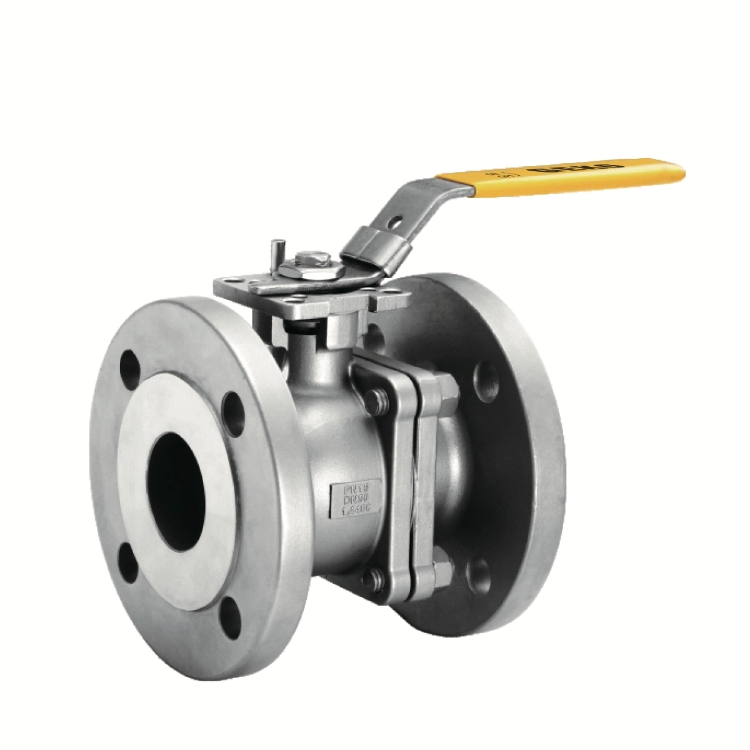
플로팅 볼 밸브란 무엇인가요?
플로팅 볼 밸브에서 볼은 아래쪽에서 기계적으로 고정되지 않습니다. 두 개의 시트 링의 압축력에 의해서만 제자리에 고정됩니다. 밸브가 닫히면 라인 압력이 볼을 하류 시트 쪽으로 약간 밀어내어 압력 보조 밀봉을 형성합니다.
일반적인 적용 범위: 소형에서 중형 크기(최대 DN150(6인치)), 저압에서 중압 등급(Class150-300). 상수도, 일반 화학 공정 및 중압 공정 배관에 널리 사용됩니다.
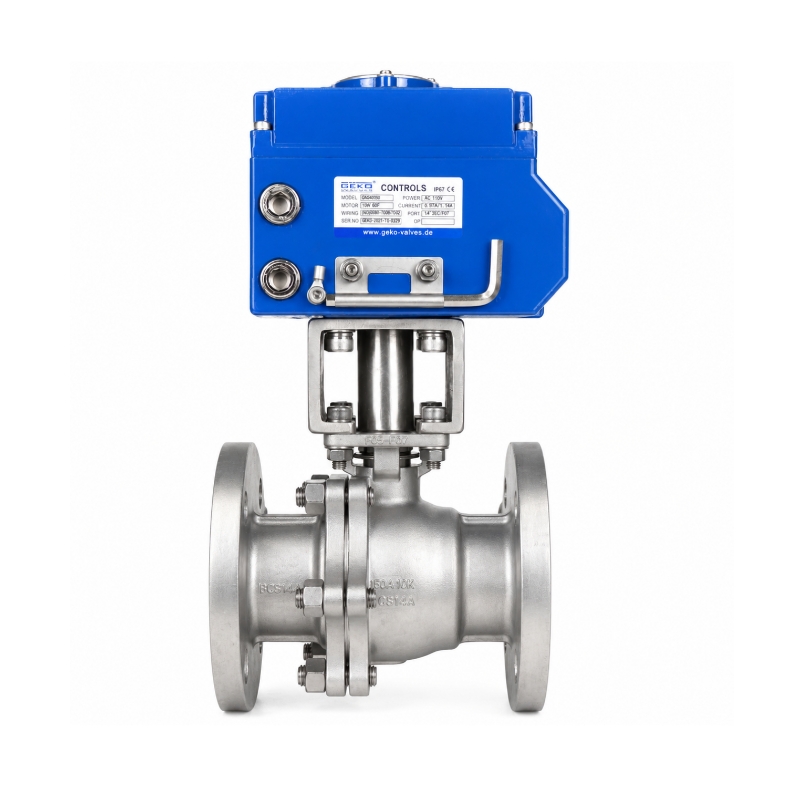
트러니언 장착형 볼 밸브란 무엇인가요?
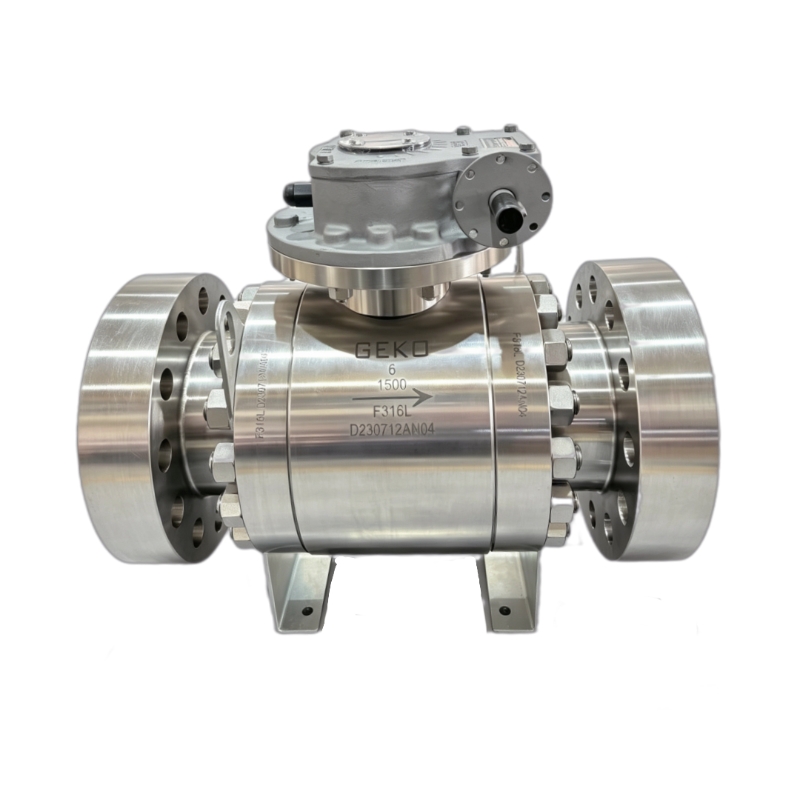
트러니언 장착형 볼 밸브는 상부 스템과 하부 트러니언 샤프트에 고정된 볼을 특징으로 합니다. 볼은 유체 압력 하에서도 움직이지 않습니다. 밀봉은 라인 압력과 관계없이 고정된 볼 표면을 누르는 스프링 장착 시트 링에 의해 이루어집니다.
일반적인 적용 범위: 대구경 파이프라인, 고압 Class 600 이상, 빈번한 사이클 운전. 주요 적용 분야는 석유 및 가스 수송 파이프라인, 정유 설비, 발전소 공정 시스템 및 중요 격리 서비스입니다.
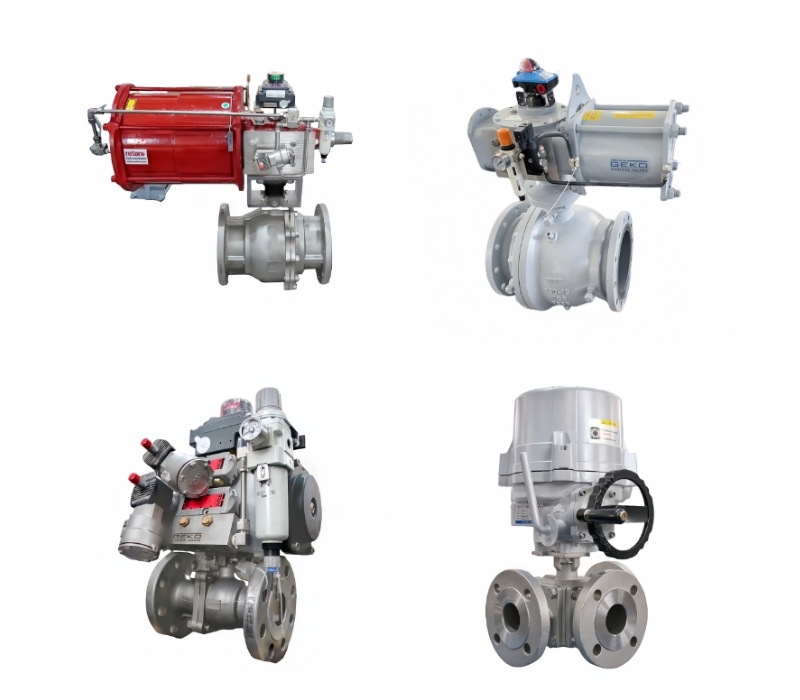
핵심 비교: 플로팅 볼 밸브 vs. 트러니언 마운트 볼 밸브
선택 가이드: 플로팅 볼 밸브는 언제 선택해야 할까요?
아래 조건 대부분에 부합하는 프로젝트라면 플로팅 볼 밸브를 선택하십시오.
선택 가이드: 트러니언 장착형 볼 밸브는 언제 선택해야 할까요?
다음과 같은 까다로운 작업 환경에는 트러니언 장착형 볼 밸브를 지정하십시오.
흔히 저지르는 선택 실수 중 피해야 할 것들
현장에서 발생하는 많은 고장은 볼 밸브 구조와 실제 작동 조건이 맞지 않아서 발생합니다. 고압 대구경 배관에 플로팅 볼 밸브를 사용하면 과도한 토크가 발생하여 밸브 시트가 파손되고 누출 위험이 높아집니다. 트러니언 장착형 밸브는 기술적으로는 소구경 저압 배관에 사용할 수 있지만, 불필요한 추가 비용이 발생합니다. 밸브 유형을 최종 결정하기 전에 항상 크기, 압력, 작동 방식 및 적용 유체를 평가해야 합니다.
결론
플로팅 볼 밸브와 트러니언 마운트 볼 밸브 중 어느 것이 더 우수한지는 명확하게 규정할 수 없습니다. 최적의 선택은 배관 크기, 작동 압력, 작동 방식, 유체 특성 및 프로젝트 예산에 따라 달라집니다. 플로팅 볼 밸브는 소형, 중압의 일반 산업 배관에 적합하며, 간편하고 경제적인 성능을 제공합니다. 트러니언 마운트 볼 밸브는 대구경, 고압 및 중요 자동화 공정 시스템에 적합하며, 안정적인 토크와 긴 수명을 제공합니다. GEKO Valve는 다양한 산업 프로젝트 요구 사항에 맞춰 다양한 압력 등급, 본체 재질 및 작동 방식을 갖춘 플로팅 및 트러니언 마운트 볼 밸브를 공급합니다.

 이메일
: info@geko-union.com
이메일
: info@geko-union.com
 이메일
: info@geko-valves.de
이메일
: info@geko-valves.de
 이메일
: tw@geko-union.com
이메일
: tw@geko-union.com
 이메일
: nl@geko-union.com
이메일
: nl@geko-union.com

 IPv6 네트워크 지원


